
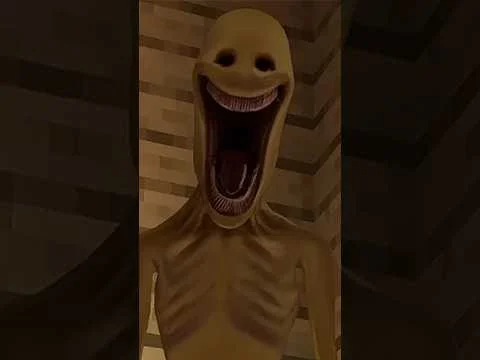
The digital landscape of 2026 has witnessed a significant resurgence in immersive, community-driven narratives, headlined most recently by the emergence of the Verity Minecraft ARG. On October 2, 2026, digital culture analysts and enthusiasts noted a pivotal update in this ongoing saga, marking a transition from a niche internet mystery to a mainstream cultural phenomenon. Documented by Zach Sweat and tracked through various archival platforms, the Verity project represents a sophisticated blend of sandbox gaming, psychological horror, and "unfiction" that has captivated millions of viewers globally. This report examines the technical execution, chronological development, and broader cultural implications of the Verity ARG within the context of modern digital media.
The Genesis and Mechanics of Verity
The Verity Minecraft ARG (Alternate Reality Game) is a multi-layered narrative that utilizes the popular sandbox game Minecraft as its primary medium. Unlike traditional gaming content, which focuses on gameplay mechanics or competitive achievements, Verity belongs to the "Minecraft Horror" subgenre. This genre leverages the game’s inherent isolation, its procedurally generated landscapes, and its nostalgic aesthetic to create an unsettling atmosphere.
The project first gained traction through a series of cryptic YouTube uploads characterized by "found footage" aesthetics. These videos often feature a player exploring a seemingly standard Minecraft world, only to encounter anomalies—corrupted chunks, non-player characters (NPCs) behaving with inexplicable autonomy, and environmental storytelling that suggests a malevolent presence within the game’s code. The October 2026 update, which served as a catalyst for renewed interest, introduced a complex set of coordinates and hidden metadata that required collective community effort to decipher.
Chronology of the Verity Phenomenon
The timeline of the Verity ARG is marked by several key milestones that illustrate how the narrative has evolved over the course of 2026:
- Initial Discovery (February 2026): The first video, titled simply with a string of hexadecimal code, appeared on a dormant YouTube channel. It depicted a player wandering through a beta version of Minecraft, discovering structures that should not exist in that specific version of the software.
- The "Verity" Name Reveal (May 2026): After months of speculation, a hidden website was discovered through the audio spectrogram of a second video. The site contained a single word: "Verity," accompanied by a countdown. This established the project’s name and hinted at an organized creator behind the mystery.
- The Summer Stagnation and Clue Drops (June – August 2026): During the mid-year period, the ARG shifted focus to social media platforms. Cryptic tweets and Instagram stories provided "lore" snippets, suggesting that the Verity entity was a remnant of a deleted player profile or a corrupted AI experiment.
- The October 2nd Breakthrough (October 2026): The publication of new video evidence, as noted in the recent Know Your Meme documentation, provided the most substantial plot advancement to date. This update linked the in-game anomalies to a specific real-world location (in-fiction), prompting a surge in "boots-on-the-ground" investigations and deep-dive video essays.
Technical Execution and Aesthetic Influence
The success of the Verity ARG is largely attributed to its high production value and technical sophistication. Developers of the ARG appear to use custom-coded plugins or mods to manipulate Minecraft’s world-generation algorithms. This allows for the creation of "impossible" geometry and events that bypass the standard limitations of the game, such as entities that can interact with the player’s interface or system files.
From an aesthetic standpoint, Verity draws heavily from the "Analog Horror" movement. This includes the use of low-resolution filters, distorted audio, and the "uncanny valley" effect produced by low-poly character models. By setting the story within Minecraft—a game associated with childhood and creativity—the creators of Verity tap into a specific form of "liminal space" horror, where familiar environments become hostile and unrecognizable.
Data and Engagement Metrics
The impact of the Verity ARG is quantifiable through engagement data across multiple platforms. As of early October 2026, the primary YouTube channel associated with the project has amassed over 15 million views. The "Verity Investigation" Discord server currently hosts over 85,000 active members who collaborate on solving puzzles in real-time.
Furthermore, the search volume for "Minecraft ARG" and "Verity Horror" saw a 400% increase following the October 2nd update. Data from social media analytics suggest that the primary demographic for this content is aged 16 to 24, a group that grew up with Minecraft and is highly receptive to interactive, non-linear storytelling. The project has also spawned a secondary economy of "reaction" and "theory" content, with prominent influencers contributing to the narrative’s reach.
Community Response and "Unfiction" Dynamics
A defining characteristic of the Verity ARG is the community’s adherence to the "This Is Not A Game" (TINAG) rule. This is a hallmark of the unfiction genre, where both creators and participants interact as if the fictional events are occurring in reality. This immersion creates a unique social dynamic where the boundary between the audience and the story is blurred.
Statements from community moderators on Reddit and Discord indicate that the appeal of Verity lies in its difficulty. "It’s not just a scary story; it’s a puzzle that requires knowledge of coding, cryptography, and game history," noted one prominent investigator. The collaborative nature of the project has led to the formation of specialized "teams" within the community, focusing on different aspects of the mystery, from linguistic analysis of hidden messages to mapping the in-game coordinates.
Broader Impact and Industry Implications
The Verity Minecraft ARG is more than a viral trend; it represents a shift in how digital narratives are constructed and consumed in the late 2020s. For the gaming industry, it demonstrates the potential of sandbox environments to serve as platforms for complex, serialized storytelling that exists outside of the developer’s original intent.
- The Democratization of Narrative: Verity shows that high-impact storytelling no longer requires a major studio budget. With a copy of Minecraft and creative technical skills, an individual or small group can reach a global audience.
- Marketing and Brand Integration: The success of such ARGs has caught the attention of mainstream media companies. We are seeing a trend where traditional film and television studios utilize ARG-style marketing to build "hype" for upcoming releases, mimicking the organic growth seen in projects like Verity.
- Psychological Engagement: The project highlights the human psychological drive to find patterns and solve mysteries. By leaving "gaps" in the story, the creators of Verity allow the audience to fill in the blanks, often resulting in a narrative that is more frightening and personal than a fully scripted experience.
Conclusion and Future Outlook
As the Verity Minecraft ARG continues to unfold, its influence on the horror genre and digital culture is undeniable. The update on October 2, 2026, served as a reminder of the enduring power of community-driven mysteries. While the true identity of the creators remains unknown, the "Verity" entity has already secured its place in the pantheon of internet folklore.
Looking forward, the industry expects a proliferation of similar projects across other sandbox platforms like Roblox or Fortnite. However, the Verity project sets a high bar for technical execution and narrative depth. As the community awaits the next "drop" of information, one fact remains clear: the intersection of gaming and horror has found a new, formidable frontier in the blocky, shadowed landscapes of the Verity universe. The investigation continues, and the truth—the "verity" of the situation—remains just out of reach, hidden within the code of a world millions thought they knew.

