
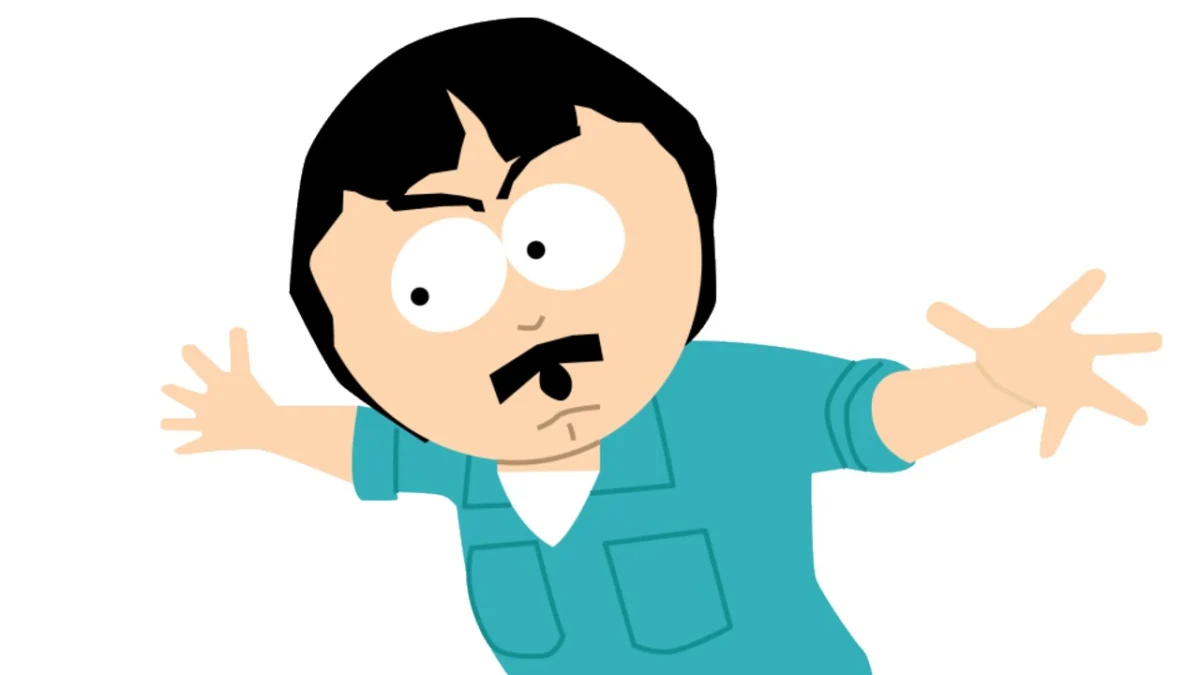
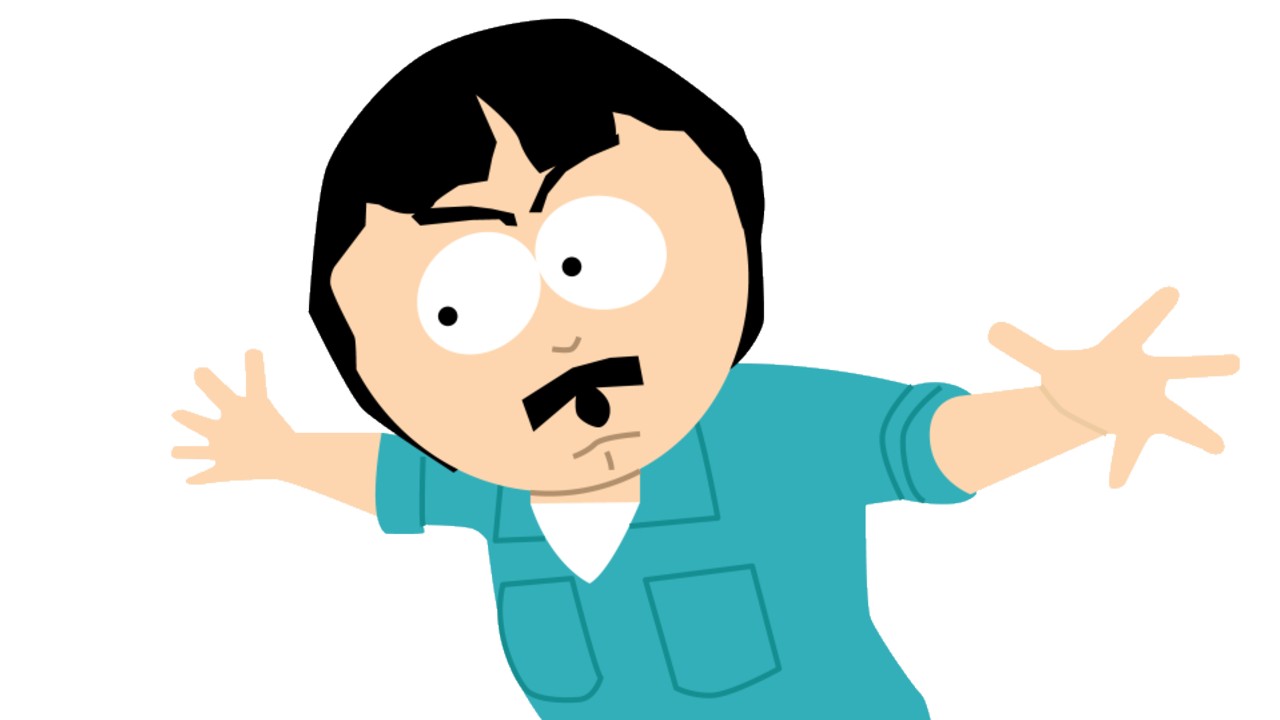
The digital landscape of late 2026 has been significantly shaped by the unexpected and massive resurgence of a specific piece of animation history: the Randy Marsh vs. or What’s Up Brah? meme. This phenomenon, which centers on a particular sequence from the long-running satirical series South Park, has transcended its original comedic context to become a versatile tool for social commentary, absurdist humor, and cross-fandom crossovers. Characterized by the character Randy Marsh circling an opponent with his arms outstretched in a defensive yet aggressive "bro-down" stance, the meme has seen a meteoric rise on platforms such as TikTok and Instagram Reels, nearly fifteen years after the source material first aired.
The Genesis of the Bro Down
The origin of this viral trend traces back to October 26, 2011, with the premiere of the South Park Season 15 episode titled "Broadway Bro Down." Written by series creators Trey Parker and Matt Stone, the episode was a satirical take on the subculture of Broadway musicals, which the show depicted as a covert method for men to secure romantic favors from their partners through the use of "subtext."
In the climactic scene that birthed the meme, Randy Marsh finds himself in a confrontation with the legendary musical theatre composer and lyricist Stephen Sondheim. Rather than a standard argument, the two engage in what the show calls a "bro-down"—a highly stylized, aggressive confrontation involving circling one another with wide arm gestures and the repeated use of the phrase, "What’s up, brah?" The humor derived from the absurdity of a middle-aged suburban father engaging in a ritualistic display of "bro" machismo against a high-culture icon like Sondheim. Eventually, the two characters find common ground and strike an alliance, but the visual of Randy’s confrontational stance remained etched in the minds of the audience.
Early Digital Footprint and the 2012 Wave
While the episode was a success upon its initial release, the transition of the "bro-down" into a meme format did not happen overnight. The first wave of digital adoption occurred in 2012, during the height of the "image macro" era of internet culture. On August 1, 2012, users on the platform Quick Meme began utilizing a still image of Randy in his "bro-down" pose, often pairing it with the caption "Come At Me Bro"—a popular slang term of the era.
One of the earliest recorded successes of this format was an edit featuring Randy Marsh challenging Bane, the antagonist from the then-recently released film The Dark Knight Rises. This specific image was shared to the /r/AdviceAnimals subreddit, where it garnered significant traction, accumulating hundreds of upvotes and thousands of shares across the burgeoning social media landscape. During this period, the meme was primarily used to signal a humorous, overconfident defiance against overwhelming odds or intimidating figures.
The 2026 Viral Resurgence on TikTok and Instagram
After a period of relative dormancy, the "What’s Up Brah?" meme experienced a massive revival in October 2026. This second wave was fueled by the evolution of video editing technology and the popularity of "exploitable" green-screen assets. Unlike the static image macros of 2012, the 2026 iteration utilizes the full animated sequence, allowing creators to rotoscope Randy Marsh out of his original setting and place him into various high-stakes, cinematic, or mundane environments.
Data from TikTok indicates that the trend began to spike in early October 2026. On October 4, a creator known as @themarshtotuff posted a video featuring Randy Marsh engaging in a bro-down with "Absolute Bane," a reference to a modernized version of the DC character. The video, which utilized the original audio of Randy saying "What’s up, brah?" and "I have to fight him, Sharon," garnered over 68,000 views within a single week.
This was quickly followed by more viral instances. On October 7, 2026, TikTok user @clive.35 uploaded an edit showing Randy Marsh confronting an approaching Immigration and Customs Enforcement (ICE) agent. This version of the meme shifted the tone from pure absurdist humor to a form of defiant social satire, accumulating over 1.2 million views in less than five days. Simultaneously, @randy_m5 posted an edit of Randy facing off against Steve, the protagonist of the video game Minecraft, which also surpassed the 1.1 million view mark in the same timeframe.
Technical Drivers and Content Creation
The proliferation of the "What’s Up Brah?" meme in 2026 can be attributed to several technical factors. The availability of high-quality "transparent" or "green screen" versions of the Randy Marsh animation allowed even amateur editors to create seamless crossovers. By stripping the background from the original South Park scene, creators could place Randy in front of any backdrop, from scenes in The Walking Dead to professional sporting events.
The audio component of the meme is equally vital. The specific cadence of Randy’s voice, combined with the rhythmic repetition of the word "brah," provides a template that fits the short-form video algorithms of TikTok and Instagram Reels. The "original sound" associated with these clips has been used in thousands of derivative works, creating a self-sustaining loop of content where each new iteration further cements the meme’s place in the cultural zeitgeist.
Psychological and Cultural Analysis
The enduring appeal of the Randy Marsh "bro-down" lies in the character’s unique position within the South Park universe. Randy is frequently depicted as a man who becomes obsessively involved in absurd trends or overestimates his own physical and social prowess. This makes him the perfect vessel for a meme that mocks the performative nature of masculinity.
The "What’s Up Brah?" stance is a parody of aggressive posturing. By applying this stance to scenarios involving formidable opponents like Doomsday, Rick Grimes from The Walking Dead, or even personified versions of the user’s own inner demons, the meme highlights the ridiculousness of confronting serious situations with "bro" energy. In a broader sense, the meme serves as a critique of the "alpha male" tropes that have seen a resurgence in certain corners of the internet in the mid-2020s. By using Randy Marsh—a character who is often the architect of his own misfortune—to represent this energy, creators are able to satirize the bravado of modern social media influencers.
Broader Impact and Implications for Digital Media
The resurgence of the Randy Marsh meme illustrates the cyclical nature of internet culture. It demonstrates that content from the "Golden Age" of cable television (the late 2000s and early 2010s) possesses a longevity that can be unlocked by new platforms. The "What’s Up Brah?" phenomenon is part of a larger trend where "legacy" animation is mined for exploitable assets, a practice that has also kept characters from The Simpsons, Family Guy, and SpongeBob SquarePants relevant to younger generations who may not have seen the original airings.
From a marketing and intellectual property perspective, the meme serves as a "passive" promotional tool for South Park. Even without active advertising from Comedy Central or the show’s creators, the character of Randy Marsh remains at the forefront of digital conversation. This organic engagement is invaluable in a fragmented media market where traditional commercials are increasingly ignored.
Furthermore, the meme’s evolution from 2012 to 2026 reflects the shift in how digital audiences consume humor. In 2012, a single caption on a still image was sufficient. In 2026, the expectation is for high-fidelity video editing, multi-layered audio, and "meta" references to other subcultures. The "What’s Up Brah?" trend has successfully navigated this shift, proving that the core appeal of the character—his unearned confidence and willingness to engage in absurd conflict—is a timeless comedic trope.
As of late 2026, the "Randy Marsh vs." trend shows no signs of slowing down. With new templates being created daily and the character being edited into everything from political debates to historical footage, the "bro-down" has solidified its place as a cornerstone of modern digital folklore. It remains a testament to the power of satirical animation to provide the visual and linguistic tools for a global audience to express defiance, humor, and the sheer absurdity of the human condition.

