
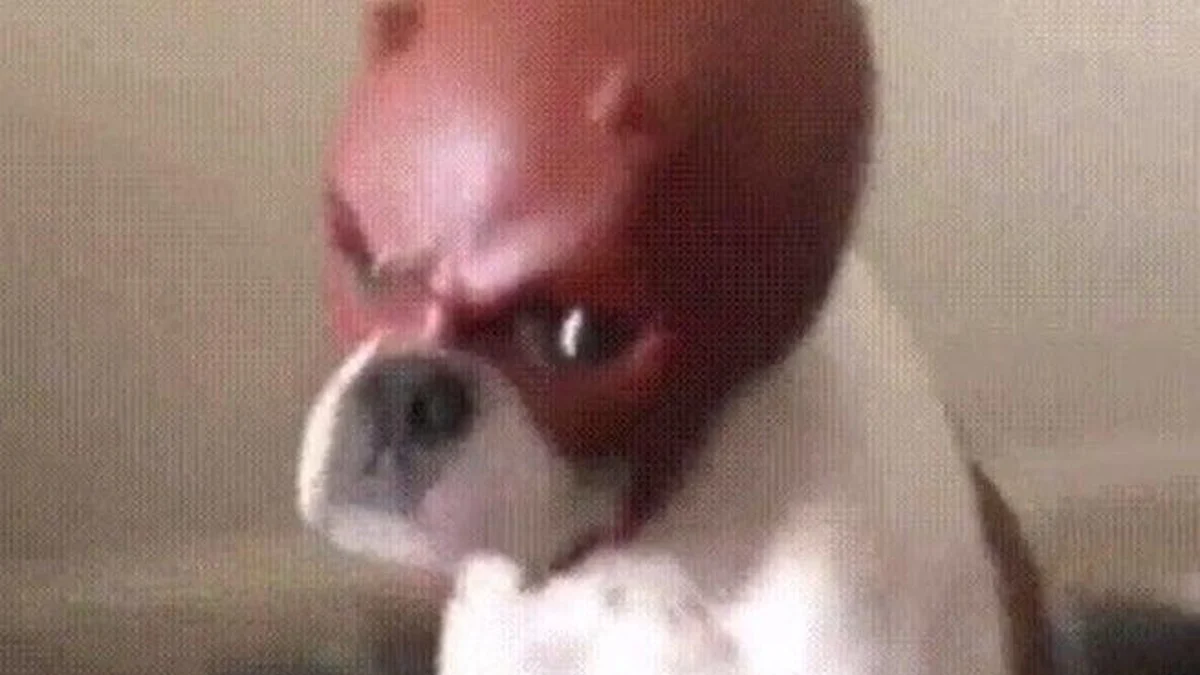
The digital landscape is often defined by the cyclical nature of its content, where images and videos from the past are rediscovered, recontextualized, and imbued with new meaning by successive generations of internet users. Among the most prominent examples of this phenomenon is the "Daredevil Dog," a viral video featuring a stoic canine named Bodhi wearing a mask modeled after the Marvel Comics superhero Daredevil. While the footage originated in 2016, its transition from a simple comedic clip to a sophisticated tool for social commentary on TikTok in 2021 illustrates the complex evolution of meme culture. This article examines the history of Bodhi, the technical and musical elements that define the meme, and the broader sociological implications of its use as a "reaction" to modern digital posturing.
The Genesis of a Digital Icon: Bodhi and the 2016 Viral Wave
The story of the Daredevil Dog begins with Rondell Holmes, an Instagram user who shared a short video of his dog, Bodhi, in mid-2016. The video was deceptively simple: it featured Bodhi, a dog with a remarkably calm and focused temperament, sitting motionless on a couch. Adorning his head was a red cowl, a replica of the mask worn by the character Matt Murdock in the Daredevil franchise. As the camera panned slowly around the dog, Bodhi maintained a fixed, almost somber expression, perfectly mimicking the brooding intensity of a vigilante hero.
The earliest archived version of this video was uploaded to YouTube on July 26, 2016. Almost immediately, the footage resonated with audiences due to the juxtaposition of a domestic pet and the "gritty" aesthetic of superhero cinema. However, the initial viral success of the video was quickly overshadowed by tragedy. On July 27, 2016, the media outlet UNILAD announced via Facebook that Bodhi had passed away. The news sparked a massive wave of digital mourning, with the post garnering over 66,000 shares and thousands of comments within a few years.
Rondell Holmes later clarified the timeline on his own social media platforms. Following the loss of his original Instagram account, Holmes created a new page where he re-uploaded the video on December 2, 2016. In his caption, he expressed both grief for his pet and frustration regarding the unauthorized distribution of the clip. Holmes noted that while Bodhi had died several months prior, the video continued to circulate globally, often without credit to the original creator. This early stage of the meme was characterized by a sense of "wholesome" humor mixed with the poignancy of a posthumous tribute.
Musical Symbiosis: The Influence of Evanescence and the 2003 Film
While the original 2016 uploads often featured various background tracks or ambient noise, the version of the meme that achieved legendary status is inextricably linked to the song "Bring Me To Life" by the American rock band Evanescence. Released in 2003, the song served as the lead single for the soundtrack of the Daredevil motion picture starring Ben Affleck.
The integration of "Bring Me To Life" into the Daredevil Dog video was a calculated nod to the early 2000s "edgy" aesthetic. The song’s dramatic piano opening, followed by Amy Lee’s soaring vocals and the heavy nu-metal guitar riffs, perfectly complemented Bodhi’s masked appearance. On December 9, 2020, YouTuber Rodrick posted a version of the video featuring this specific audio pairing. This edit served as a bridge between the original 2016 viral moment and the massive resurgence that would follow on TikTok.
The choice of music is significant because "Bring Me To Life" has undergone its own cultural journey. Once a chart-topping serious rock anthem, it became a staple of early internet AMVs (Anime Music Videos) and eventually a self-aware meme representing "over-the-top" or "melodramatic" emotions. By pairing the stoic dog with this specific track, creators tapped into a deep well of millennial and Gen Z nostalgia, setting the stage for the video’s second life as a satirical tool.
The 2021 TikTok Renaissance and the "Cringe" Reaction Format
The most transformative period for the Daredevil Dog occurred in October 2021. During this time, the video migrated to TikTok, where the platform’s "duet" and "stitch" features allowed users to interact with the content in real-time. It was here that the Daredevil Dog evolved from a standalone comedy clip into a specialized "reaction meme."

In the context of 2021 TikTok culture, the Daredevil Dog became the primary response to "cringe" content—specifically videos in which individuals attempted to portray themselves as "alpha males," "dangerous vigilantes," or "misunderstood loners." When a user posted a video making a boastful claim about their toughness or their willingness to take the law into their own hands, other users would "stitch" the video with the clip of Bodhi in the Daredevil mask.
The implication was clear: the person in the original video was being mocked for their perceived self-importance. By comparing a human’s dramatic posturing to a dog in a plastic mask, TikTok users effectively "deflated" the ego of the original poster. The stoicism of Bodhi, combined with the Evanescence soundtrack, became a shorthand for saying, "You think you are being a badass, but you actually look as ridiculous as a dog in a costume."
One notable example of this trend occurred on October 5, 2021, when TikToker @swoosh_swish used the clip to mock teachers who make dramatic pronouncements to their classes. Another instance involved a viral reaction to a user claiming they would not run from an attacker with a knife. By responding with the Daredevil Dog, the community signaled that such claims were viewed as performative and unrealistic.
Data and Engagement: Measuring the Impact
The statistical reach of the Daredevil Dog in late 2021 was substantial. A single reaction video posted by user @fish..legs on October 9, 2021, garnered over 10 million views in less than two weeks. This level of engagement indicates that the meme had moved beyond a niche subculture and into the mainstream digital consciousness.
Search interest data from late 2021 showed a sharp spike in queries for "Daredevil Dog," "dog with Daredevil mask," and "Evanescence dog meme." This surge coincided with a broader trend of "ironic" meme-making, where users repurposed older, sincerity-based content to serve as satirical commentary. The longevity of the meme is further evidenced by the continued creation of fan art. Rondell Holmes has frequently shared illustrations and digital paintings of Bodhi created by fans, showcasing a rare instance where a meme’s creator and the audience maintain a collaborative relationship years after the original event.
Sociological Analysis: Why Bodhi Resonates
The enduring popularity of the Daredevil Dog can be attributed to several factors inherent in modern digital communication:
- The Subversion of "Main Character Syndrome": In an era of social media where users are encouraged to present themselves as the "protagonists" of their own lives, the Daredevil Dog serves as a corrective. It mocks the "Main Character Syndrome" by providing a visual metaphor for how such posturing appears to outside observers.
- Emotional Ambiguity: Unlike many animal memes that rely on high-energy "derpiness," Bodhi’s appeal lies in his stillness. His unreadable expression allows users to project various meanings onto him, ranging from deep disappointment to silent judgment.
- The Digital Afterlife: The fact that Bodhi passed away shortly after the original video went viral adds a layer of "internet history" to the meme. For long-time users, there is a sense of honoring a "fallen legend," similar to the status afforded to other viral animals like Gabe the Dog or Grumpy Cat.
- Aesthetic Contrast: The high-production value of the Daredevil cowl contrasted with the domestic setting of a living room couch creates a visual "dissonance" that is inherently comedic.
Conclusion: The Legacy of the Daredevil Dog
The transition of the Daredevil Dog from a 2016 YouTube curiosity to a 2021 TikTok powerhouse underscores the fluid nature of internet fame. Bodhi, through the creative efforts of his owner Rondell Holmes and the collective imagination of the internet, has achieved a form of digital immortality.
As a journalistic subject, the Daredevil Dog represents more than just a funny video; it is a case study in how the internet archives and repurposes its own history. By using a five-year-old video to comment on contemporary social media behavior, TikTok users demonstrated the sophisticated ways in which digital communities communicate through shared visual shorthand. While Bodhi is no longer present, his image continues to serve as a silent, masked arbiter of internet culture—a "silent guardian" watching over the ever-shifting landscape of digital "cringe."

