
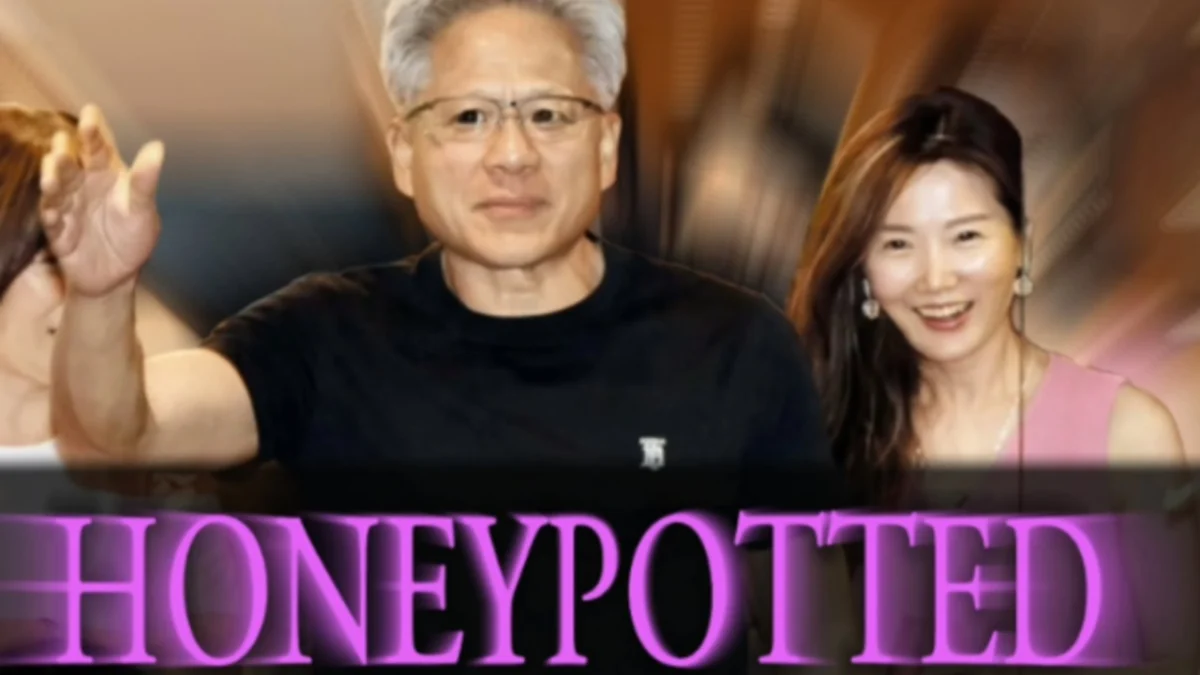
The Genesis of the Allegations: The Megaspeed Connection
The crisis began on October 29, 2026, when an exclusive report by the New York Times revealed that U.S. intelligence agencies had been monitoring Alice Huang, an executive at Megaspeed, a Singapore-based data center company. According to the report, Alice Huang was identified as a suspected intelligence asset for the Chinese Communist Party (CCP). The investigation suggested that she had successfully cultivated a close personal relationship with Jensen Huang to facilitate the transfer of sensitive information regarding Nvidia’s proprietary AI architecture and U.S. policy discussions concerning export controls.
Megaspeed had already been under federal scrutiny for its role in helping Chinese entities circumvent U.S. Department of Commerce restrictions on high-end AI chips. The company had reportedly purchased billions of dollars worth of advanced Blackwell and Rubin-class GPUs, ostensibly for data centers in Singapore, only to provide massive computing power to Chinese tech giants such as Alibaba and Tencent. Intelligence officials alleged that Alice Huang was the primary conduit for this "compute-laundering" operation, using her relationship with Jensen Huang to ensure a steady supply of hardware despite tightening geopolitical tensions.
Admissions of Infidelity and Internal Investigations
On November 8, 2026, the situation transitioned from a matter of national security to a corporate governance crisis. Jensen Huang issued an internal memorandum to Nvidia’s global workforce, titled "A Message to Our Company," in which he admitted to being unfaithful to his wife of many years, Lori Huang. In the statement, Huang expressed deep regret for the pain caused to his family and acknowledged that his actions had compromised the trust of his employees and shareholders. He emphasized his commitment to the company and the United States, stating, "I am proud and grateful to be an American," while pledging full cooperation with a newly initiated independent investigation.
Simultaneously, the Nvidia Board of Directors released a public statement confirming that a committee of independent directors, supported by outside counsel, had been formed to investigate whether the CEO had been the target of a foreign intelligence effort. While the board initially stated they had "no reason to believe" that company secrets or national security had been compromised, the market reacted with immediate volatility. On November 9, Nvidia’s share price experienced a significant downturn as investors grappled with the possibility of a leadership vacuum at the world’s leading AI firm.
The Escalation of Misconduct and Resignation
The controversy deepened on November 11, 2026, when reports emerged indicating that Jensen Huang’s relationship with Alice Huang was not an isolated incident of workplace misconduct. Anonymous whistleblowers within Nvidia alleged that Huang had also been involved in a long-term affair with Kimberly Powell, Nvidia’s Vice President of Health Care. Unlike Alice Huang, Powell was not suspected of ties to foreign intelligence; however, the relationship represented a clear violation of Nvidia’s internal code of conduct regarding romantic involvement between executives and subordinates.
By November 12, the pressure on the board reached a breaking point. Following a third allegation involving another unnamed Nvidia employee, Jensen Huang resigned from his roles as CEO and President. The resignation sent shockwaves through Silicon Valley, as Nvidia had no immediate successor prepared to lead the company during the height of the AI infrastructure boom. For several days, the company’s future remained uncertain, and its market capitalization continued to erode, reflecting fears of a protracted leadership struggle and potential federal indictments related to the espionage allegations.
Chronology of the 2026 Controversy
The timeline of events illustrates the rapid descent from a standard intelligence probe to a total corporate upheaval:
- October 29, 2026: The New York Times publishes an exposé on Alice Huang and Megaspeed, linking her to Chinese intelligence and Jensen Huang.
- November 8, 2026: Jensen Huang admits to infidelity in an internal email; the Nvidia Board launches an independent investigation into security risks.
- November 9, 2026: Nvidia stock plummets as the "Chinese Spy" narrative gains mainstream traction.
- November 11, 2026: Allegations of a second affair with VP Kimberly Powell are reported, citing violations of corporate conduct.
- November 12, 2026: Jensen Huang resigns as CEO. A third affair with an unnamed employee is alleged by Reuters.
- November 15–20, 2026: Political figures, including President Donald Trump and Vice President J.D. Vance, reportedly intervene behind the scenes.
- November 23, 2026: Nvidia announces the reinstatement of Jensen Huang as CEO following government clearance.
Political Intervention and Reinstatement
In a turn of events that defied traditional corporate norms, the U.S. executive branch played a decisive role in Huang’s return to power. In mid-November, President Donald Trump publicly advocated for Huang’s reinstatement, arguing that Nvidia’s stability was a matter of vital national interest. Reports indicated that Vice President J.D. Vance engaged in direct negotiations with Nvidia’s board members to expedite the security review.
On November 23, 2026, the board announced that Huang would resume his duties as CEO and President effective immediately. The decision was supported by a statement from senior U.S. government officials, who concluded that while Huang had exercised poor personal judgment, there was no actionable evidence that he had knowingly or unknowingly transferred classified technology or trade secrets to the CCP. President Trump praised the move, characterizing Huang as indispensable to the American lead in the global AI race.
The market response to the reinstatement was unprecedented. Nvidia’s stock surged nearly 30 percent in a single day, the largest gain in the company’s history, as investors rallied behind the restoration of the "foundational leader" of the AI era.
Sociocultural Impact: The "Honeypot" Discourse
Beyond the boardroom and the halls of government, the incident sparked a massive wave of online discourse and cultural commentary. The term "honeypotted"—referring to an intelligence tactic where romantic or sexual relationships are used to compromise a target—became synonymous with the scandal. Social media platforms were inundated with memes and AI-generated content satirizing the situation, ranging from "Soulslike" image macros to comedic skits about the perils of corporate espionage.
Prominent cultural commentators, including YouTuber Moist Critikal (penguinz0), documented the saga, with videos garnering millions of views within hours. The public fascination with the story reflected a broader anxiety regarding the intersection of personal privacy, corporate power, and the high-stakes technological "Cold War" between the United States and China.
Analysis of Broader Implications
The Jensen Huang controversy of 2026 serves as a case study in the vulnerabilities of modern "indispensable" tech leaders. Several key implications emerge from the event:
- Key Person Risk: Nvidia’s extreme stock volatility during Huang’s absence underscored the "key person risk" inherent in founder-led tech giants. The company’s inability to present a viable successor during the crisis initially exacerbated the market’s panic.
- The New Face of Espionage: The involvement of Megaspeed highlights how modern intelligence operations utilize "grey zone" companies in neutral jurisdictions (like Singapore) to bypass export controls and gain access to high-value targets.
- Executive-Government Symbiosis: The intervention by the Trump administration demonstrates a shift in how the U.S. government views critical technology firms. Nvidia was treated not merely as a private entity, but as a strategic national asset whose leadership was too important to fail, regardless of personal conduct.
- Corporate Governance vs. Strategic Necessity: The board’s decision to reinstate Huang despite multiple violations of the code of conduct suggests that in the 21st-century tech economy, strategic genius and market stability may sometimes take precedence over traditional corporate ethics and disciplinary norms.
As of late 2026, Nvidia has implemented more rigorous internal security protocols and government-monitored oversight committees to prevent future intelligence incursions. While Jensen Huang remains at the helm, the "Chinese Spy" controversy remains a defining moment in the history of Silicon Valley, illustrating the thin line between personal indiscretion and global security.

