
The digital landscape of early 2026 has been significantly reshaped by the emergence of "Tung Tung God," a multifaceted internet phenomenon that bridges the gap between competitive gaming subcultures and surrealist digital folklore. What began as a spontaneous remark during a recorded session of the popular video game Fortnite has evolved into a complex ecosystem of religious parody, AI-generated iconography, and cross-platform "brainrot" content. The meme centers on two primary components: a viral audio clip of a child mistakenly identifying a character as a biblical figure and the subsequent visual transformation of an Indonesian cultural mascot into a celestial being. This convergence of accidental humor and intentional digital absurdity highlights the rapid-fire evolution of modern internet trends and the increasing influence of Southeast Asian digital aesthetics on the global stage.
The Genesis of a Digital Mythos: The Fortnite Recording
The origin of the Tung Tung God phenomenon is traced back to December 8th, 2025, when the TikTok creator known as @bl1tzerz uploaded a routine gameplay video. In the clip, the creator engaged in a lighthearted interrogation of a younger player, a common trope in gaming content designed to elicit humorous or unexpected responses. When asked to name five prominent characters from the Bible, the child’s immediate and confident response was "Tung Tung God."
This initial post acted as a catalyst, garnering over 4.2 million views within the first three months of its publication. The humor of the clip relied on the stark juxtaposition between the gravity of religious history and the absurdity of the child’s invented deity. For the gaming community, the "little brother" or "squeaker" archetype—characterized by high-pitched voices and unpredictable logic—has long been a source of viral content, but the specific mention of "Tung Tung God" provided a unique linguistic hook that resonated beyond the standard gaming audience.
Visual Canonization and the Indonesian Connection
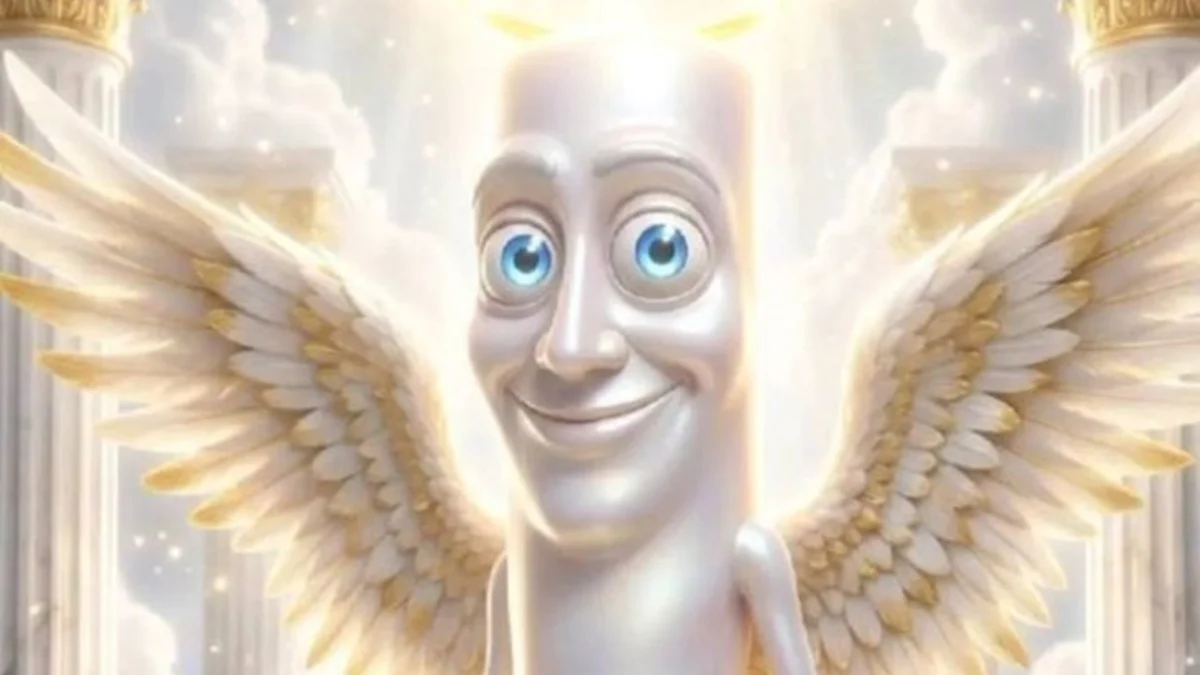
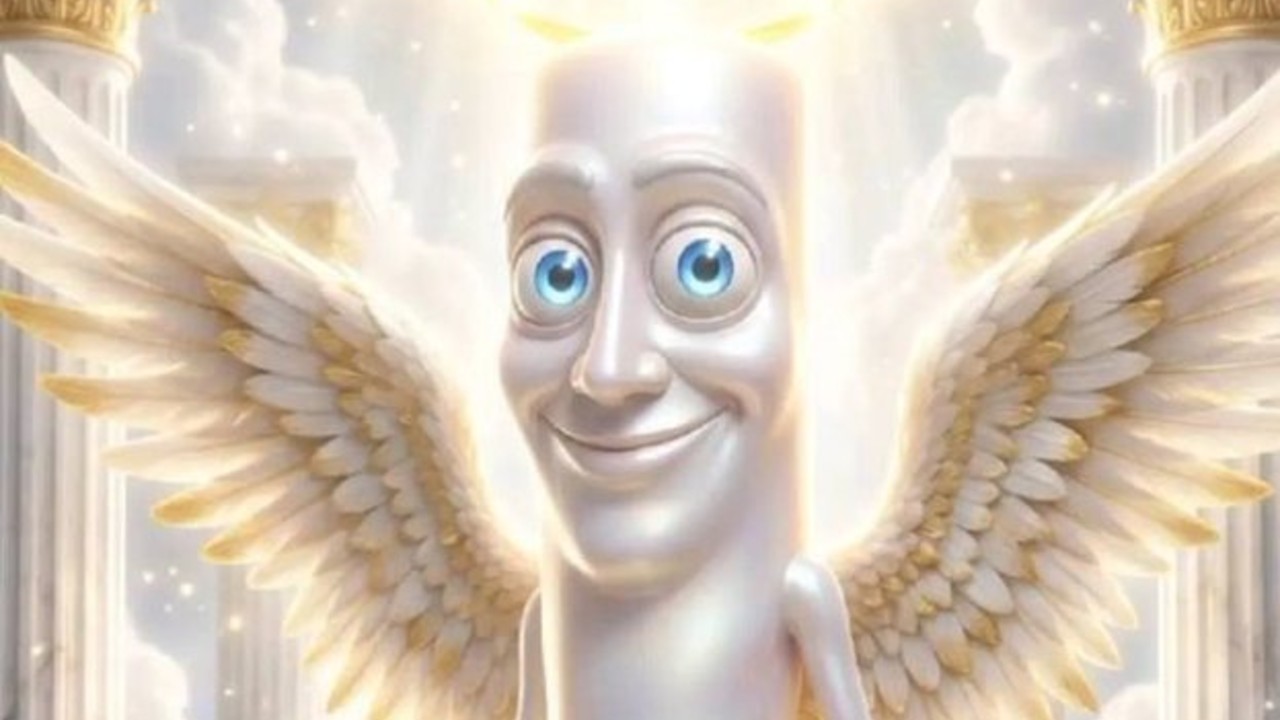
While the audio provided the narrative spark, the visual identity of Tung Tung God was established shortly thereafter. On January 1st, 2026, TikToker @lyudoed1 published a slideshow that fundamentally altered the trajectory of the meme. This post introduced an image of a character known as "Tung Tung Tung Sahur," an established figure within the "Indonesian Brainrot" genre, reimagined as a divine entity.
In its original context, Tung Tung Tung Sahur is a stylized, often AI-generated character associated with Indonesian internet culture, frequently depicted in chaotic or nonsensical scenarios. The January 1st iteration, however, stripped the character of its usual attributes—most notably a baseball bat—and replaced them with traditional hagiographic symbols. The "Tung Tung God" was depicted with a pristine white body, expansive angelic wings, and a golden scepter, set against a backdrop of a celestial, cloud-filled heaven. This visual "canonization" garnered over 288,000 views and provided a face to the name that had been circulating in the gaming community.
Chronology of Proliferation and Platform Synergy
The transition from a niche TikTok trend to a broad cultural moment occurred through a series of strategic reposts and adaptations across various social media platforms. By late February 2026, the meme had moved into its secondary phase of growth:
- February 27, 2026: The original creator, Blitzerz, uploaded the full-length version of the Fortnite interaction to YouTube. This provided context to the original TikTok snippet and allowed for longer-form engagement, resulting in 43,000 views in less than a month.
- March 1, 2026: The clip migrated to X (formerly Twitter), where user @blephin_ shared the footage. The post reached a more cynical, commentary-heavy audience, securing 278,000 views and 11,000 likes. This move was crucial for the meme’s "meta" development, as X users began to analyze the absurdity of the child’s statement.
- March 8, 2026: The divine imagery of Tung Tung God reached peak saturation on X. Users began sharing the angelic depiction as a reaction image, often accompanied by captions expressing bewilderment at the current state of internet culture.
- March 15, 2026: The meme achieved a level of technical integration when X user @zCowSlice showcased a custom-built level in the rhythm-based platformer Geometry Dash. The level featured a massive, detailed recreation of Tung Tung God as a central obstacle or "boss" figure. This post, which gained 15,000 likes in three days, demonstrated the meme’s transition from a passive joke to an active element of digital creation.
Understanding the "Indonesian Brainrot" Phenomenon
To fully grasp the significance of Tung Tung God, one must understand the broader context of "Indonesian Brainrot." This term describes a specific genre of content characterized by high-intensity editing, AI-generated imagery of animals or humanoid figures (often in surreal situations), and a deliberate abandonment of traditional narrative logic.
Indonesian creators have become pioneers in this space, utilizing AI tools to generate bizarre, hyper-realistic versions of cultural mascots. The "Tung Tung" character itself is a derivation of "Sahur" traditions—the pre-dawn meal consumed by Muslims before fasting during Ramadan. In many Indonesian neighborhoods, youth groups roam the streets with drums or bamboo instruments to wake residents for Sahur, often chanting "Sahur! Sahur!" The "Tung Tung" sound is an onomatopoeic representation of these drums. By abstracting this local cultural practice into a "God" through the lens of a confused child in a global gaming lobby, the meme represents a fascinating, if chaotic, form of cultural globalization.
Data Analysis: Engagement and Audience Demographics
The metrics associated with Tung Tung God indicate a high level of resonance among Gen Alpha and younger Gen Z demographics. The 4.2 million views on the primary TikTok source suggest a saturation point within the gaming community, while the subsequent 278,000 views on X indicate a successful "crossover" into the mainstream commentary space.
Search interest data for the term "Tung Tung God" showed a sharp vertical spike in early March 2026, coinciding with the Geometry Dash level release. This suggests that the meme’s longevity is tied to its "remixability." When a meme moves from a video to a playable game level or an AI-generated art prompt, its lifespan is extended significantly compared to simple viral videos.
Sociological Implications and Digital Folklore
The emergence of Tung Tung God offers several insights into the current state of digital communication. First, it highlights the "flattening" of information for younger generations. To the child in the Fortnite clip, the distinction between a biblical figure and a viral internet character is blurred by the sheer volume of content consumed daily. In the "Brainrot" era, characters from ancient texts and characters from TikTok occupy the same cognitive space.
Second, the meme serves as a case study in "digital apocrypha." Just as ancient myths were built through oral tradition and varying interpretations, Tung Tung God was built through a collaborative, decentralized process. One person provided the name, another provided the visual, and a third provided the "worship" (in the form of game levels and fan art).
Furthermore, the trend reflects the increasing dominance of AI in meme creation. The angelic depiction of Tung Tung God is clearly an AI-generated image, characterized by the specific lighting and texture typical of modern generative models. This allows for the rapid creation of high-fidelity "lore" that would have previously required professional-grade graphic design skills.
Official Responses and Cultural Impact
While there have been no official statements from religious organizations regarding the parody, the online community has largely viewed the phenomenon through a lens of surrealist humor rather than genuine sacrilege. Creators like Blitzerz have leaned into the trend, recognizing that the "Tung Tung God" has become a brand in itself within the gaming ecosystem.
The impact on the Geometry Dash community has been particularly notable. The "Tung Tung God" level has inspired a wave of similar "deity-themed" levels based on other viral characters, such as the "Italian Brainrot" animals. This indicates that Tung Tung God is not an isolated incident but rather a flagship representative of a new wave of international, AI-assisted meme culture.
Conclusion: The Future of the Deity
As of late March 2026, Tung Tung God remains a potent symbol of the "Brainrot" era. Its journey from a misspoken phrase in a Fortnite lobby to a celestial icon in Geometry Dash illustrates the unpredictable and hyper-accelerated nature of digital fame. While the meme may eventually fade as newer, more absurd iterations of the "Tung Tung" saga emerge, its legacy as a bridge between Indonesian local culture and global gaming humor is firmly established. The phenomenon serves as a reminder that in the age of the algorithm, anything—even a child’s mistake—can be elevated to the status of a digital god.

