
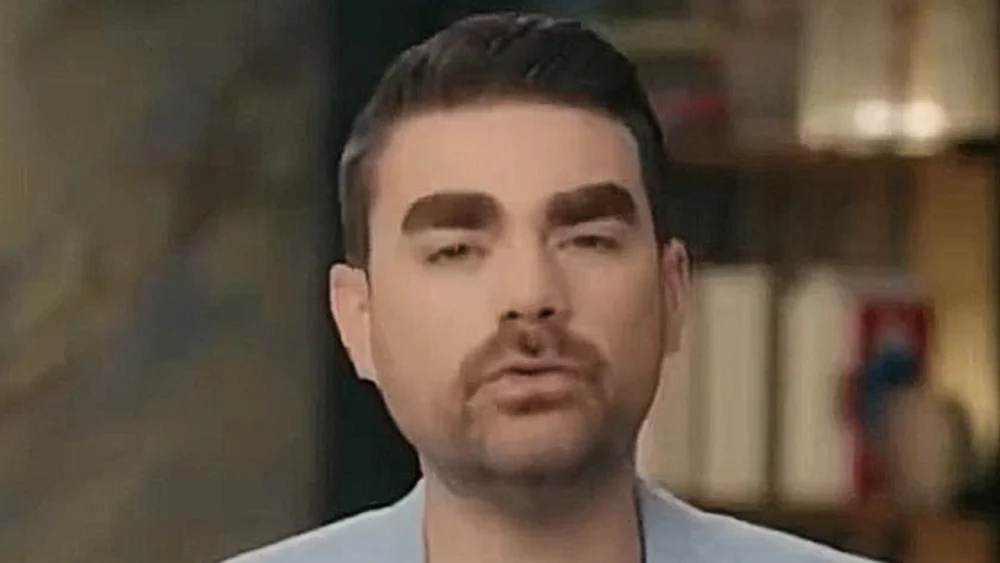
The emergence of digitally altered media featuring conservative commentator Ben Shapiro has sparked a significant wave of internet discourse, highlighting the evolving landscape of "cheapfake" technology and its role in modern political satire. In early March 2026, a series of videos began circulating across social media platforms, most notably X (formerly Twitter) and Reddit, which appeared to show Shapiro with abnormally large, bushy eyebrows. While the videos were quickly debunked as digital manipulations, their rapid spread and the subsequent public reaction offer a compelling case study in media literacy, the psychology of viral content, and the use of physical caricature in political commentary.
The Genesis of the Eyebrow Phenomenon
The trend originated on March 6, 2026, when an X user operating under the handle @BackupJeffx uploaded a clip from Shapiro’s eponymous program on The Daily Wire. In the video, Shapiro was seen criticizing fellow conservative media personality Tucker Carlson regarding comments Carlson had made concerning the Chabad-Lubavitch movement and the Third Temple. While the audio and the core subject matter of the video were authentic, the visual components had been subtly but effectively modified. Shapiro’s eyebrows were digitally enlarged to a comical degree, creating a visual "uncanny valley" effect that many viewers initially failed to recognize as a fabrication.
The initial post by @BackupJeffx garnered over 2,600 likes within 72 hours, but its primary impact was the confusion it sowed. Unlike high-budget "deepfakes" that use artificial intelligence to completely replace a subject’s face or voice, these edits fall under the category of "cheapfakes." This term refers to media that has been manipulated using simpler, more accessible tools—such as video warping, speed adjustments, or basic filters—to change the context or appearance of the subject. In this instance, the exaggeration of a specific facial feature served as a form of digital caricature, echoing the tradition of political cartooning but presented in a medium that mimics authentic broadcast footage.
Chronology of Viral Dissemination
Following the initial upload on March 6, the meme followed a predictable trajectory of escalation and diversification. On the same day, the content creator and streamer known as Sneako reacted to the edited clip during a live broadcast. This reaction was subsequently clipped and shared by the account @Sneakoedit, further amplifying the reach of the manipulated imagery to a younger, more digitally native audience.
By March 7, 2026, the discourse shifted from mere observation to active parody. An X user named @DreamLeaf5 posted a side-by-side comparison featuring an unedited still of Shapiro next to the manipulated version. The caption, which stated that Shapiro had undergone "gender-affirming eyebrow enlargement," utilized irony to mock Shapiro’s well-documented stance against gender-affirming care for transgender individuals. This specific post became a major catalyst for the meme’s growth, accumulating more than 77,000 likes and 2,800 reposts in less than two days. The success of this post demonstrated how digital satire often layers physical mockery with ideological critiques.
On March 8, the phenomenon migrated to Reddit, specifically within the "Behind the Bastards" subreddit, a community dedicated to deconstructing the lives of controversial historical and modern figures. The post received over 750 upvotes, indicating that the meme had successfully crossed over from platform-specific humor to a broader internet trope. Simultaneously, @BackupJeffx released a second edited video, this time featuring a different clip of Shapiro. The caption for this second video linked the growing size of the eyebrows to geopolitical events, further leaning into the absurdity of the visual gag.
By March 9, the meme had reached its peak saturation. Ari Drennen, a prominent media researcher, contributed to the discourse by suggesting that the focus on Shapiro’s eyebrows was a "distraction" from other perceived changes in his appearance, such as his lips. This post gained over 75,000 likes in a single day, illustrating how viral trends often generate "spin-off" memes that maintain the momentum of the original joke.
Technical Analysis of "Cheapfake" Satire
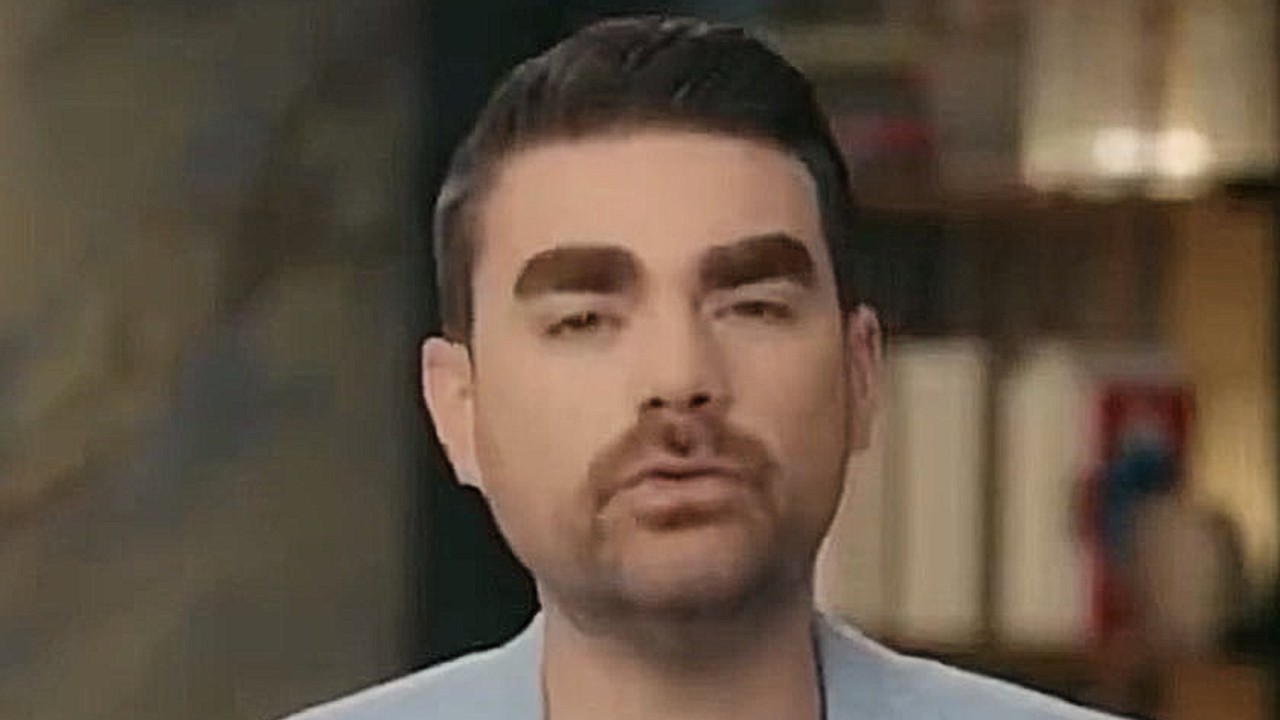
The Ben Shapiro eyebrow meme represents a sophisticated use of low-end technology. Forensic analysis of the videos reveals that the editors likely used "liquify" or "mesh warp" tools common in video editing software like Adobe After Effects or even mobile-based applications. These tools allow a user to grab a specific area of a video frame—in this case, the brow line—and stretch it while the video is in motion.
What makes this specific manipulation effective is the maintenance of the video’s grain and lighting. By ensuring that the edited eyebrows moved in sync with Shapiro’s actual facial expressions, the creators were able to bypass the initial skepticism of many viewers. The phenomenon highlights a growing challenge for news consumers: as the tools for video manipulation become more user-friendly, the "barrier to entry" for creating convincing misinformation drops significantly. While the eyebrow meme was clearly intended as humor, the same techniques could be applied to more malicious ends, such as altering a politician’s facial expressions to make them appear angry, confused, or intoxicated.
Public Reaction and Socio-Political Context
The reception of the meme was divided along predictable lines, though it also found a unique middle ground in the realm of "shitposting"—a style of internet humor characterized by low-quality, surreal, or nonsensical content.
- The Satirical Critique: Many users leveraged the edits to criticize Shapiro’s rhetorical style. Shapiro is known for his rapid-fire delivery and "facts don’t care about your feelings" mantra. By distorting his physical appearance, detractors sought to undermine his perceived authority and seriousness.
- The "Gender-Affirming" Irony: The most successful iterations of the meme focused on the irony of Shapiro "modifying" his body. Given Shapiro’s frequent commentary on the "objective reality" of biological features, the suggestion that he had "enlarged" his eyebrows for aesthetic or identity reasons was a pointed jab at his conservative philosophy.
- The Unwitting Believers: A significant portion of the audience initially believed the videos were real. Comments sections were filled with users asking if Shapiro was suffering from a medical condition or if he had undergone a failed cosmetic procedure. This segment of the reaction underscores the fragility of visual truth in the mid-2020s.
Official Responses and Verification
As of mid-March 2026, neither Ben Shapiro nor The Daily Wire has issued a formal statement regarding the eyebrow memes. This lack of response is consistent with Shapiro’s general strategy of ignoring low-level internet trolling, although he has occasionally addressed more significant "deepfake" concerns in the past.
Independent fact-checking organizations and media literacy advocates have used the event as a teaching moment. By comparing the viral clips to the original uploads on the Ben Shapiro YouTube channel, observers can clearly see the discrepancies. In the original March 6 video, Shapiro’s eyebrows are his natural size. The discrepancy provides an objective data point that confirms the "eyebrow enlargement" is entirely a digital fiction.
Broader Impact and Implications for Media Literacy
The "Ben Shapiro’s Eyebrows" meme is more than a fleeting moment of internet levity; it is symptomatic of a broader shift in how digital information is consumed and contested. As we move further into an era dominated by synthetic media, the traditional methods of verifying information are being tested.
The incident suggests several key takeaways for the future of digital discourse:
- The Rise of Caricature 2.0: Digital video is replacing the static editorial cartoon. The ability to "remix" a person’s actual face in real-time provides a more visceral and engaging form of satire.
- The Erosion of Visual Authority: When even a minor physical change can go viral and be accepted as fact by thousands, the inherent trust in video evidence continues to erode. This has profound implications for journalism and legal proceedings.
- The Speed of Misinformation: The timeline of the eyebrow meme—from a single post to a national conversation in under 72 hours—demonstrates the power of algorithmic amplification. Platforms like X prioritize high-engagement content, often regardless of its factual accuracy.
In conclusion, the Ben Shapiro eyebrow meme serves as a reminder that in the modern digital ecosystem, the line between reality and parody is increasingly blurred. While the "caterpillar-sized" eyebrows of Ben Shapiro may be a harmless prank, they represent the vanguard of a new type of visual communication where the "truth" is often less important than the "meme-ability" of the content. As society continues to navigate this landscape, the importance of critical thinking and source verification has never been more paramount. The eyebrows may be fake, but the questions they raise about the future of our information environment are very real.

