
The digital landscape of 2026 has witnessed an unexpected resurgence of a decade-old catchphrase originating from the survival horror franchise Five Nights at Freddy’s (FNAF). The phrase, "We found one, a real one," has transitioned from a niche piece of video game dialogue into a widespread cultural shorthand used to describe the discovery of "withered" or decaying versions of popular internet characters. This phenomenon, which gained significant momentum throughout February and March 2026, represents a unique intersection of nostalgia, artificial intelligence, and the evolving "brainrot" subculture of the mid-2020s.
The Architectural Origins of a Catchphrase
To understand the current viral status of the phrase, one must look back to March 2, 2015, the release date of Five Nights at Freddy’s 3. Developed by Scott Cawthon, the game shifted the series’ setting thirty years into the future, placing the player in "Fazbear’s Fright: The Horror Attraction," a haunted-house-style simulation based on the unsolved mysteries of a defunct pizza chain.
During the first night of gameplay, the player receives a phone call from an unnamed character colloquially known by the fanbase as "Phone Dude." Unlike the somber, cautious tone of the "Phone Guy" from previous installments, Phone Dude displays a laid-back, surfer-esque enthusiasm for the macabre. During the second night’s briefing, he exclaims with palpable excitement that the team has made a breakthrough in their search for authentic memorabilia: "But I have an even better surprise for you, and you’re not gonna believe this… we found one. A real one."
The "real one" in question was Springtrap, a heavily decayed animatronic suit that was eventually revealed to contain the mummified remains of the series’ primary antagonist, William Afton. This moment was pivotal in the game’s lore, as it introduced the first truly "organic" threat in a series previously dominated by haunted machinery. The quote became a hallmark of the game’s atmosphere—a blend of corporate negligence and genuine horror.
The 2026 Resurgence: From Lore to Meme
While the quote remained a staple within the FNAF community for over a decade, its transformation into a versatile meme template did not occur until early 2026. This revival was sparked by a shift in how internet users engage with "brainrot" content—a term used to describe surreal, repetitive, and often low-quality digital media popular among younger generations.
On February 22, 2026, the trajectory of the phrase changed when an X user, @reindeerkisser, shared a screenshot from an AI-generated video produced by Instagram creator h3zza_g (Hezza). The image depicted "Sneakers O’Toole"—a minor character from a Family Guy cutaway gag that had become a standalone meme—as a worn-out, rust-covered animatronic. The caption read simply: "we found one. a real one."
The post resonated with a massive audience, garnering over 19,000 likes in less than a month. The humor derived from the cognitive dissonance of treating a nonsensical "brainrot" character with the same gravitas and horror-themed reverence that Phone Dude showed for a corpse-filled robot. This set the template for the weeks to follow: users would find or create images of internet personalities, memes, or fictional characters looking "withered" (a term also borrowed from FNAF 2), and apply the 2015 quote to signify their "discovery."
Chronology of Viral Spread
Following the success of the Sneakers O’Toole post, the meme format proliferated across X, TikTok, and Instagram throughout March 2026.
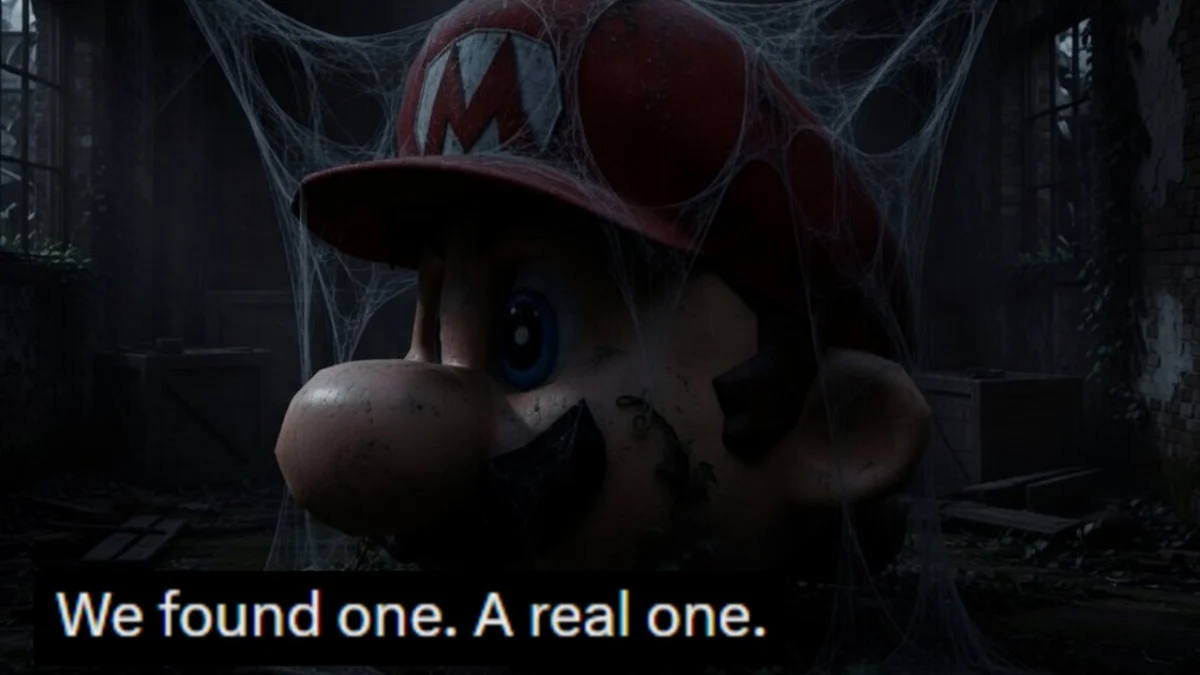
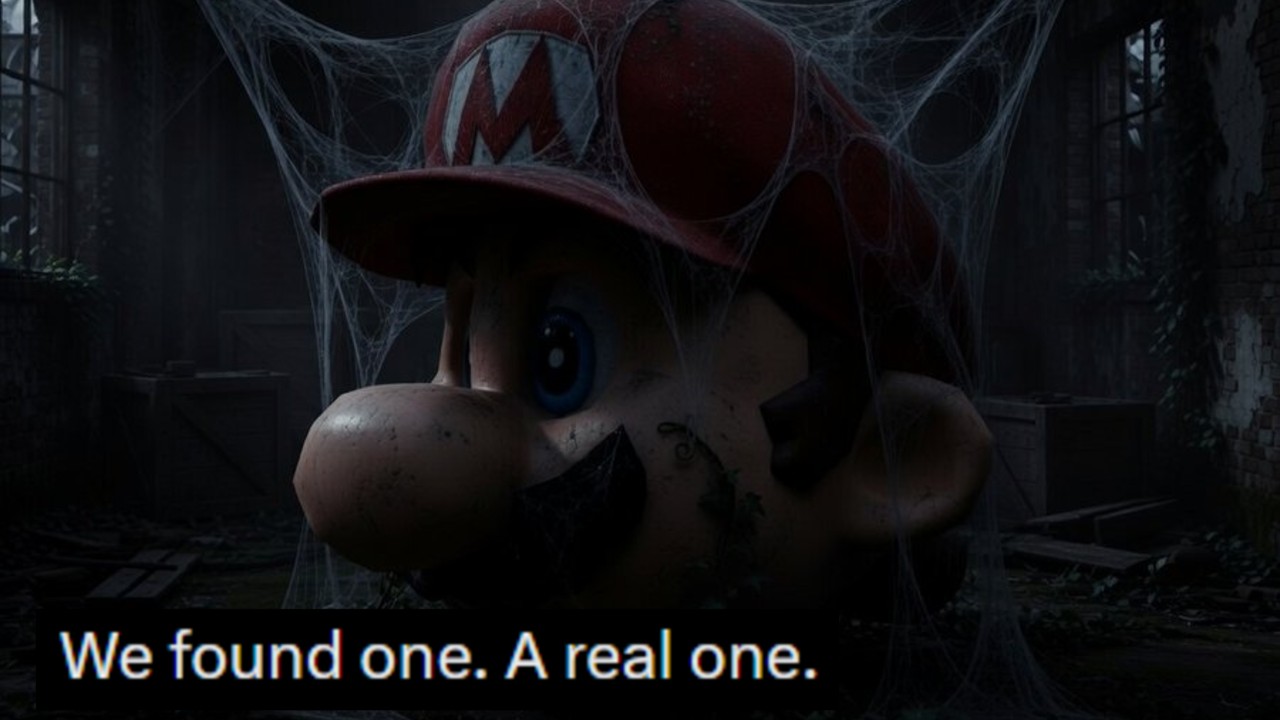
On March 13, user @guagtopia applied the quote to a real-world image of a giant, dust-covered Mario head found in a warehouse. This post was framed as a satirical "leak" regarding Super Mario 64, claiming the iconic title screen model was actually a physical object. The post gained over 3,200 likes, further cementing the meme’s association with "liminal spaces" and abandoned urban exploration.
By March 17, the meme reached international subcultures. User @orgasmoverlord posted a version featuring a decayed version of "Tung Tung Tung Sahur," an Indonesian meme character. This iteration highlighted the meme’s global reach and its ability to absorb any character into the "withered" FNAF aesthetic.
Other notable examples from this period included:
- The Landfill Discovery: A post by @RhymesWithGrug featuring a discarded Chuck E. Cheese animatronic found in an Alabama landfill, which many users noted was the closest real-world equivalent to the original FNAF 3 scenario.
- The Rusted Bender: An image of a rusted Futurama statue, captioned with the phrase, suggesting a crossover between animated sitcoms and survival horror.
- The AI-Generated Drake: A withered, animatronic version of the rapper Drake, reflecting the ongoing trend of using AI to "horror-ify" real-world celebrities.
Technical Drivers: AI and the Withered Aesthetic
The 2026 explosion of the "We found one" meme is inextricably linked to the advancement of generative AI. Tools that allow users to apply "decay," "rust," or "animatronic" filters to existing images have made the creation of these memes effortless. The "withered" aesthetic—characterized by exposed endoskeletons, missing limbs, and glowing eyes—has become a visual shorthand for internet antiquity.
Industry analysts suggest that this trend is a form of digital archaeology. By taking "new" memes and making them look "old" or "withered," creators are commenting on the rapid lifecycle of internet culture. A character that was popular two weeks ago is treated as a relic from a forgotten era, discovered in a virtual warehouse and presented as a "real one."
Psychological and Cultural Implications
The popularity of "We Found One, A Real One" reflects a broader trend of "horror-fying" the mundane. Psychologists specializing in media studies suggest that this behavior is a coping mechanism for the overwhelming volume of digital content. By turning memes into monsters, users exert a form of creative control over the "brainrot" that populates their feeds.
Furthermore, the meme demonstrates the lasting power of the Five Nights at Freddy’s intellectual property. Despite being over ten years old, the franchise continues to provide the linguistic and visual framework for modern internet humor. This is likely bolstered by the success of the 2023 FNAF feature film and the consistent release of new games, which have kept the series’ terminology in the public consciousness.
Official Responses and Market Impact
While Scott Cawthon and the official FNAF brand have not issued a formal statement regarding this specific meme, the trend has had a measurable impact on the franchise’s digital footprint. Data from search engines indicates a sharp spike in queries related to "FNAF 3 Phone Calls" and "Springtrap Lore" during the first quarter of 2026.
Additionally, the "withered" aesthetic has begun to influence merchandise trends. Independent artists on platforms like Etsy and Redbubble have reported an uptick in sales for "withered" versions of non-FNAF characters, suggesting that the meme has moved beyond digital screens and into the physical consumer market.
Conclusion: The Lifecycle of a Digital Relic
"We Found One, A Real One" is more than a simple reference to a horror game; it is a testament to the recursive nature of internet culture. It bridges the gap between the mid-2010s indie horror boom and the mid-2020s AI-driven surrealism. As the meme continues to evolve, it serves as a reminder that in the world of digital media, nothing ever truly stays buried. There is always someone—a "Phone Dude" of the modern era—ready to dig up the past and exclaim that they have finally found a real one.
The phenomenon underscores a shift in digital storytelling where the audience no longer just consumes a narrative but actively deconstructs and reassembles it using the tools of their era. Whether it is a dusty Mario head or a rusted AI-generated celebrity, the "real one" represents the internet’s obsession with its own history, however decayed that history may be.

