
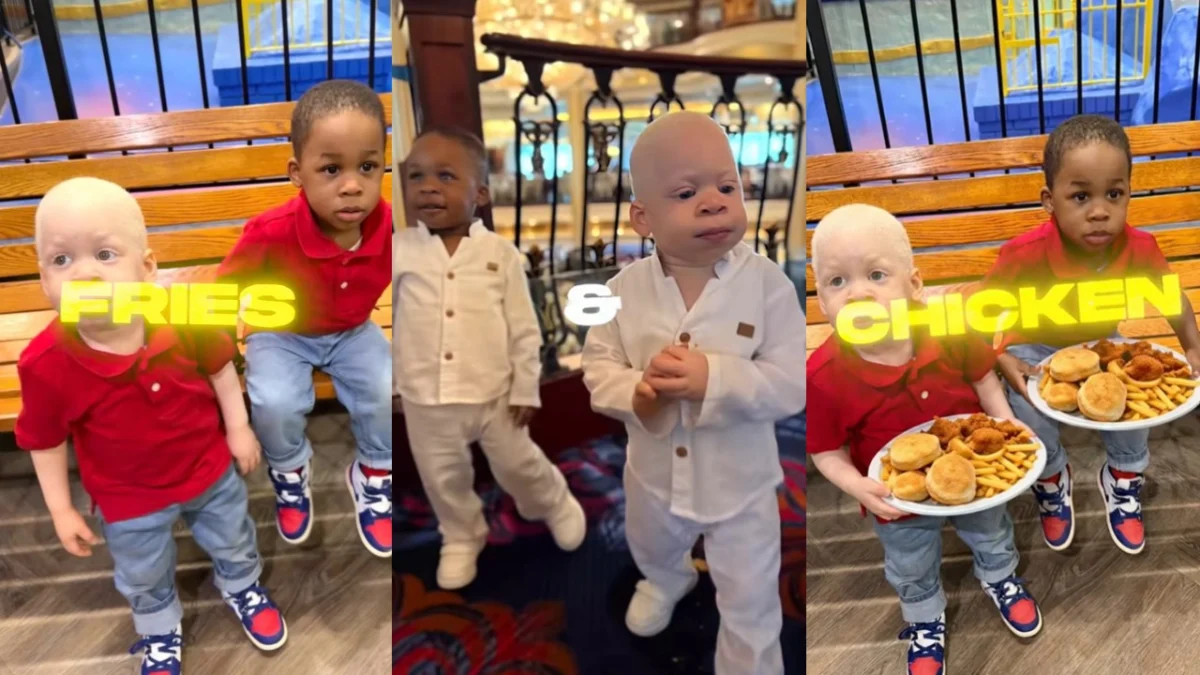
The digital landscape of 2026 has been significantly reshaped by the emergence of a viral phenomenon known as the Fries and Chicken Kids, a trend that has synthesized satirical hip-hop, visual aesthetics, and the burgeoning "aura" subculture on TikTok. Centered on two Canadian twin brothers, Oshone and Oshoze, the meme has transcended simple video sharing to become a cornerstone of contemporary internet lore. This cultural movement, which gained momentum throughout April 2026, highlights the evolving nature of memetic communication, where music, identity, and visual editing converge to create a distinct digital atmosphere.
The Genesis of a Phenomenon: Oshoze and Oshone
The subjects at the heart of the trend are Oshone and Oshoze, twins based in Canada who first established a digital presence through their joint TikTok account, @shoz_shon. The brothers gained initial attention due to their striking visual contrast; while they are twins, one brother, Oshone, has albinism. This unique genetic trait provided a visually compelling foundation for their content, which often featured the duo in coordinated outfits, engaging in typical lifestyle and fashion-oriented posts.
Before the "Fries and Chicken" trend, the twins had already cultivated a modest but dedicated following. However, their transition from lifestyle creators to internet icons occurred when the TikTok community began reapplying their images within the context of "aura" culture—a 2026 slang term referring to a person’s perceived presence, gravitas, or "coolness" factor. The twins’ poised demeanor in photos, combined with their distinct appearances, made them the perfect subjects for a new wave of ironic yet celebratory digital content.
The Musical Catalyst: Saint BeDa’s "Fries & Chicken"
The specific catalyst for the "Fries and Chicken Kids" trend was the integration of a satirical rap song titled "Fries & Chicken" by the artist BEDA, also known as Saint BeDa. The track is a parody of the popular song "Rags2Riches" by the American rapper Rodwave. While the original Rodwave song explores themes of struggle and eventual success, BEDA’s parody replaces the lyrics with humorous, food-centric verses, delivered in a style that mimics the emotive, melodic trap of the original.
The juxtaposition of this satirical, somewhat absurd audio with the high-fashion, "aura-filled" images of Oshone and Oshoze created a comedic friction that resonated with Gen Alpha and Gen Z audiences. The song’s catchy hook and the twins’ stoic expressions in the memes suggested a level of "seriousness" about mundane subjects—like fast food—that defined the trend’s ironic humor.
Chronology of the Trend’s Expansion
The trajectory of the Fries and Chicken Kids meme can be traced through a series of key uploads that propelled the twins into the global spotlight during the first half of April 2026.
On April 2, 2026, the TikTok user @iboywonder posted the definitive early version of the meme. The video featured a high-quality image of the twins set to BEDA’s "Fries & Chicken" track. The post utilized slow-motion pans and high-contrast filters, emphasizing the "aura" of the boys. Within two weeks, the video amassed over 1.5 million views, signaling the start of a broader movement.
By April 4, 2026, the trend began to diversify. TikToker @yutaxverse.tt uploaded a variation that utilized an image of the twins actually consuming fries and chicken, directly referencing the lyrics of the song. This version garnered over 334,000 views in ten days, proving that the meme had legs beyond a single aesthetic style.
The trend reached a peak of visual sophistication on April 9, 2026, when @scooboncrack2 posted a version featuring the twins in matching white suits. This iteration leaned heavily into the "luxury" aesthetic, treating the satirical song as if it were a genuine anthem of success. The video received over 627,000 views in less than a week, further cementing the twins’ status as "Nuh" and "Shi"—nicknames bestowed upon them by the community to further mythologize their presence.
On April 11, 2026, the user @logey41 contributed another high-engagement post, which saw 614,000 views in just four days. By mid-April, the "Fries & Chicken" audio had been used in thousands of videos, ranging from fan edits of the twins to users attempting to replicate their "aura" in their own daily lives.
The Linguistic Evolution: "Nuh" and "Shi"
A significant aspect of the meme’s development was the organic creation of a new vocabulary surrounding the twins. Fans and commenters began referring to the brothers as "Nuh" and "Shi." While the origins of these nicknames are rooted in the phonetic playfulness typical of TikTok comment sections, they served to detach the twins from their real-world identities and transform them into characters within the meme’s universe.
This process of "characterization" is a common feature in modern digital trends. By giving the twins mythic-sounding nicknames, the audience elevated the meme from a simple video to a shared cultural language. In the comments of these videos, users would debate which twin had more "aura" or "street credit," further driving engagement through playful competition and community participation.
Technical and Aesthetic Analysis
The "Fries and Chicken Kids" memes are characterized by a specific set of editing techniques that define the 2026 "Aura Edit" style. These include:
- Vignetting and High Contrast: Editors often darken the edges of the frame and boost the contrast to make the subjects stand out, giving the images a cinematic, almost religious quality.
- Slow-Motion Movement: Even when using static images, editors use the "CapCut" 3D zoom effect or slow-motion pans to create a sense of weight and importance.
- Lyric Synchronization: The most successful memes timed the visual transitions to the beat drops or specific lyrics in the Saint BeDa track, particularly when the lyrics mentioned "fries" or "chicken."
- Irony through Quality: The use of professional-grade photography for a meme about a parody rap song is a hallmark of "post-irony," where the effort put into the joke is part of the joke itself.
Socio-Cultural Implications and Industry Reactions
The rise of the Fries and Chicken Kids has sparked discussions among digital media analysts regarding the ethics and impact of child-led viral trends. On one hand, the twins’ family, through the @shoz_shon account, has embraced the visibility, using the platform to promote messages of inclusivity and to celebrate the beauty of albinism. This has been viewed as a positive step in representation, as Oshone’s "aura" is celebrated by millions, turning a physical difference into a source of digital empowerment.
However, some child advocacy groups have raised concerns about the "memeification" of minors. The transition from being a child creator to a "character" like "Nuh" or "Shi" can lead to a loss of agency over one’s digital footprint. Despite these concerns, the sentiment surrounding the Fries and Chicken Kids has remained overwhelmingly positive, with the community viewing the trend as a harmless and creative celebration of the twins’ unique look and the catchy nature of satirical rap.
Market researchers have also noted the "Fries & Chicken" effect on the music industry. The success of Saint BeDa’s parody suggests that in 2026, "meme-ability" is a more significant driver of streaming numbers than traditional marketing. Parody artists are increasingly finding themselves at the top of digital charts, as their music provides the perfect "soundtrack" for the visual storytelling prevalent on TikTok.
Broader Impact on Internet Culture
The Fries and Chicken Kids phenomenon represents a shift in how internet "cool" is defined. In previous eras, virality was often achieved through stunts or high-energy performance. In 2026, as evidenced by Oshone and Oshoze, virality is increasingly about "vibe" and "presence." The twins did not need to perform complex dances or comedy sketches; their "aura" was sufficient to capture the collective imagination of the internet.
Furthermore, the trend illustrates the power of the "audio-visual loop." The repetitive nature of the "Fries & Chicken" song, combined with the recurring imagery of the twins, creates a psychological "hook" that encourages users to watch and re-watch the content. This has led to a surge in search interest for both the twins and the artist BEDA, creating a self-sustaining ecosystem of content.
Conclusion
As of late April 2026, the Fries and Chicken Kids remain a dominant force in social media discourse. What began as a simple series of posts featuring two Canadian twins has evolved into a complex cultural touchstone involving music parody, aesthetic innovation, and a new lexicon of internet slang. Oshone and Oshoze, through their "Nuh" and "Shi" personas, have become icons of a digital age that values irony, visual impact, and the mysterious quality of "aura" above all else. Whether the trend will maintain its momentum or evolve into a new form of digital expression remains to be seen, but its impact on the cultural zeitgeist of 2026 is undeniable.

