
The Psychological Foundations of Consecutive Engagement
The efficacy of streak systems is rooted in established psychological principles that govern how humans perceive progress and loss. At the forefront of this phenomenon is "Loss Aversion," a concept popularized by psychologists Amos Tversky and Daniel Kahneman. Their research suggests that the pain of losing something is psychologically twice as powerful as the joy of gaining something of equal value. In the context of a digital streak, a user who has maintained a 200-day habit is no longer motivated solely by the primary goal—such as learning a language or exercising—but by the intense desire to avoid losing the "invested effort" represented by that number.
This psychological weight creates a "sunk cost" environment. A user with a three-day streak has little to lose, but as the number grows, the streak itself becomes a part of the user’s identity. Behavioral analysts note that this transition from intrinsic motivation (doing an activity for its own sake) to extrinsic protection (doing it to save the streak) is where apps find their highest retention rates.
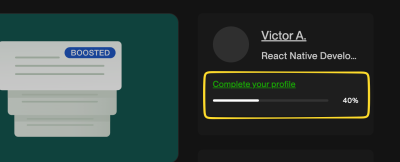
Furthermore, the "Zeigarnik Effect" plays a critical role. Named after psychiatrist Bluma Zeigarnik, this principle posits that humans remember uncompleted or interrupted tasks more vividly than completed ones. A streak represents an "open loop" in the human brain. Every day that passes without the required action creates a sense of cognitive dissonance—an unfinished business that occupies mental space until the task is checked off. This is why progress bars, such as Upwork’s profile completion tracker, are so effective; they leverage the human instinct to "close the circle."
The Fogg Behavior Model: Motivation, Ability, and Prompts
To understand why users initiate streaks before the fear of loss sets in, designers look to the Fogg Behavior Model, summarized by the equation B=MAP (Behavior = Motivation, Ability, Prompt). According to this model, a behavior occurs only when these three elements converge simultaneously.
- Motivation: This is often the most volatile element. A user may be highly motivated to start a fitness journey on January 1st, but that motivation inevitably wanes by February. Streak systems are designed to bridge the gap during periods of low motivation.
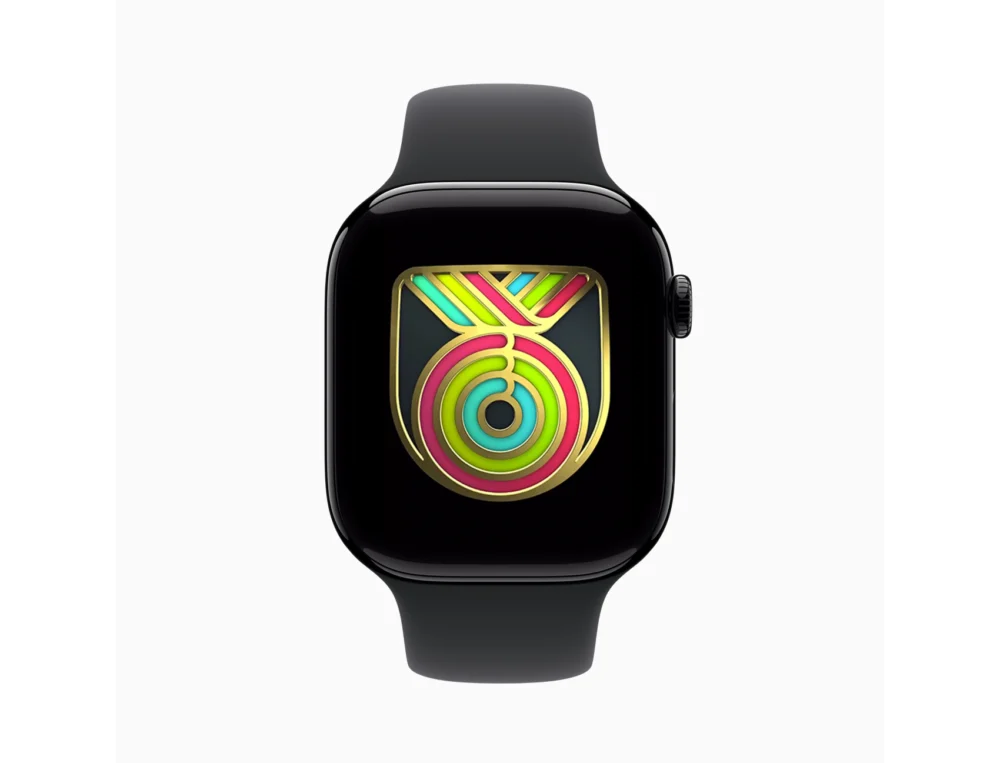
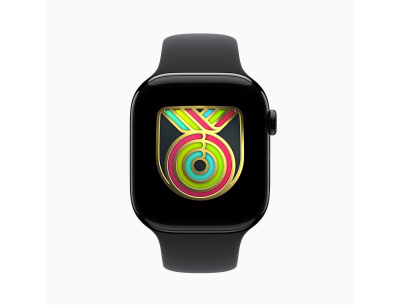
- Ability: For a streak to survive, the barrier to entry must be extremely low. Effective UX design ensures that the "minimum viable action" is effortless. Apple Fitness, for example, allows users to "close their rings" by standing for just one minute per hour. Duolingo requires only one short lesson. By making the task "too easy to fail," apps ensure that users can maintain the habit even on their most difficult days.
- Prompts: Humans are naturally forgetful. Digital prompts—specifically push notifications and app badges—serve as the "trigger" for the behavior. The impact of these prompts is quantifiable; a well-known A/B test conducted by Duolingo’s growth team revealed that adding a simple red notification badge to the app icon resulted in a 6% increase in daily active users (DAU).
Evolution and Chronology of Gamified Retention
The use of streaks has evolved significantly over the last two decades. In the early 2000s, engagement was measured primarily by "log-ins." However, with the rise of the smartphone in the late 2000s, the "attention economy" demanded more frequent interactions.
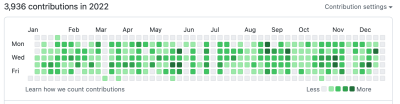
By 2012, Duolingo and Snapchat began popularizing the visual representation of streaks. Snapchat’s "Snapstreak" became a cultural phenomenon among teenagers, effectively turning social communication into a game where breaking a streak was seen as a social failure. By 2016, the integration of health data via the Apple Watch brought streak mechanics into the wellness sector. Today, the "streak" has moved beyond apps into professional tools like GitHub, where developers’ "contribution graphs" serve as a public-facing visual resume of their consistency.
Ethical Implications: Habit Formation vs. Compulsion
As streak systems become more pervasive, tech ethicists have raised concerns regarding the "dark side" of these mechanics. There is a fine line between a healthy habit and a digital compulsion. Critics argue that when a user feels "nothing without their streak," the app has transitioned from a tool of empowerment to a source of anxiety.
The Center for Humane Technology and other advocacy groups have pointed out that some apps exploit "negative reinforcement"—the removal of a negative stimulus (the fear of losing the streak)—to keep users engaged. If a product’s primary value proposition becomes the alleviation of the anxiety it created, it is often classified as "dark UX." Ethical design, therefore, emphasizes "intrinsic" over "extrinsic" rewards. A well-designed system should celebrate how far a user has come rather than threatening them with the deletion of their history.
Technical Challenges in Engineering Reliability
Building a robust streak engine requires solving complex technical hurdles, particularly regarding time and synchronization. The "Midnight Problem" is a primary concern for developers. Because users travel across time zones, defining what constitutes "one day" is difficult.
If a server operates on Coordinated Universal Time (UTC), a user in California might find their streak reset at 4:00 PM local time. To solve this, sophisticated systems must validate actions based on the user’s local timezone while maintaining a "single source of truth" on the server to prevent cheating. Developers often use libraries like Moment.js or pytz to handle these internationalization edge cases.
Furthermore, "Grace Mechanisms" have become a standard in ethical UX design. Life is unpredictable; phones break, and emergencies happen. The introduction of "Streak Freezes"—items that a user can earn or purchase to protect their streak for 24 hours—has proven to be a vital retention tool. It prevents the "demoralization effect," where a user who loses a long-standing streak gives up on the app entirely due to the perceived impossibility of starting over.
Supporting Data and Market Impact
The business impact of streak systems is evident in market valuations and user growth metrics. Data from various industry reports suggest:
- Retention Rates: Apps utilizing gamified streaks report 2x to 3x higher 30-day retention rates compared to those without such features.
- User Frequency: The average person unlocks their smartphone between 50 and 150 times per day. Every unlock provides an opportunity for a "streak widget" to reinforce the habit loop.
- Monetization: Many apps have successfully monetized the "fear of loss" by selling streak repairs or freezes, creating a secondary revenue stream that relies on the user’s emotional investment in their progress.
Broader Implications and Future Outlook
The proliferation of streak systems signals a permanent shift in how software is designed. We are moving toward an era of "behavioral design," where the success of a product is measured not just by its utility, but by its ability to integrate into the daily neurobiology of the user.
In the future, we can expect AI-driven streak systems that adjust the "Ability" requirement in real-time. If an app detects a user is having a high-stress day based on biometric data or calendar entries, it may automatically lower the requirement for that day to ensure the streak—and the user’s engagement—remains intact.

Ultimately, the power of the streak lies in its simplicity. It provides a tangible metric for the intangible concept of "consistency." However, as these systems become more sophisticated, the responsibility lies with designers to ensure that they are building tools for growth, rather than digital treadmills that users are afraid to step off of. The goal of a truly effective streak system is to eventually become unnecessary; once a behavior is truly habitual, like brushing one’s teeth, the digital reminder has fulfilled its highest purpose.

