
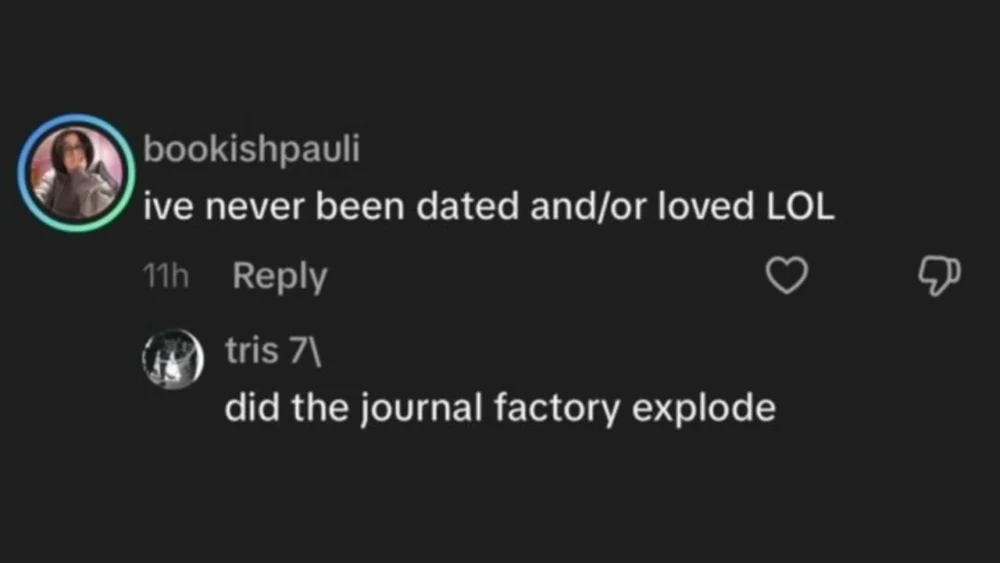
The digital landscape of early 2026 has been marked by the rapid ascent of a new linguistic shorthand for addressing online oversharing: the phrase "did the journal factory explode." Emerging from a brief but pointed exchange in a TikTok comment section, the expression has transcended its original context to become a versatile tool for social critique. It serves as a modern retort to "trauma dumping"—the act of sharing intense personal struggles or emotional vulnerabilities with an unsolicited audience—suggesting that the author’s thoughts would have been better suited for a private diary than a public forum. This phrase represents a shift in internet etiquette, signaling a growing fatigue among social media users regarding the performative nature of vulnerability in digital spaces.
The Genesis of a Digital Idiom
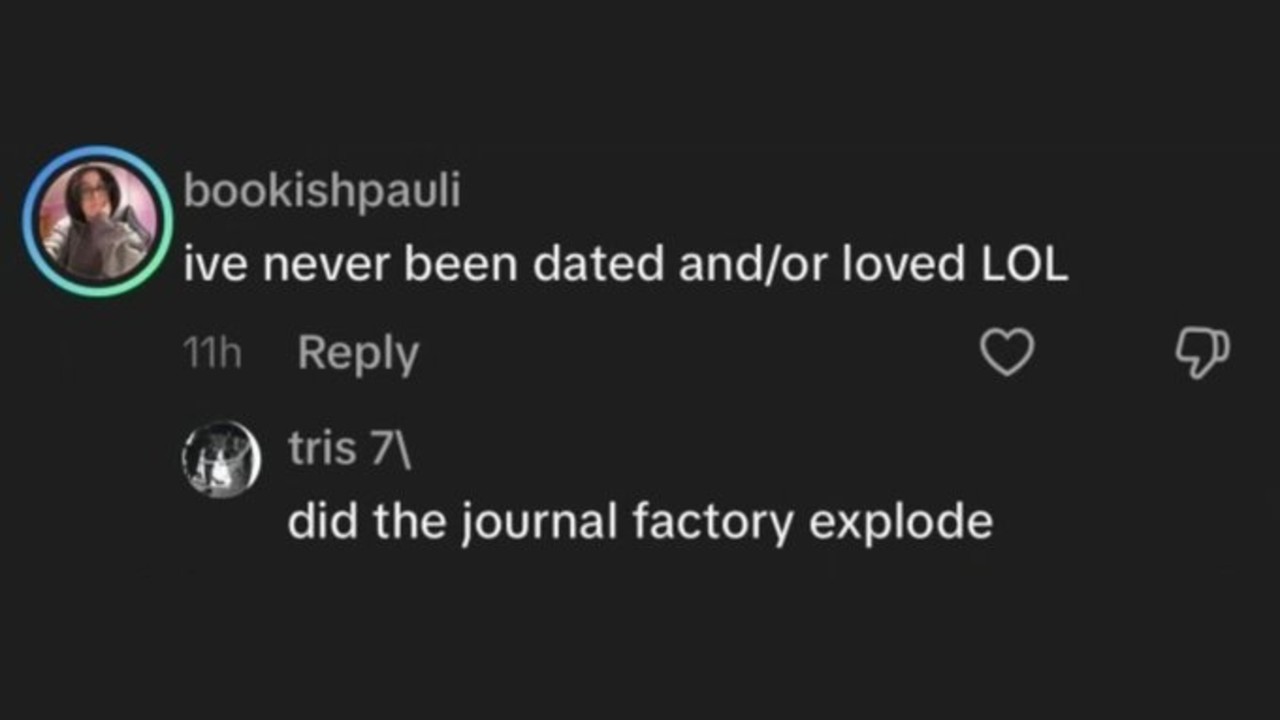
The origin of the phrase can be traced precisely to February 26, 2026. The catalyst was a TikTok video posted by a creator known as "bookishpauli," who shared a particularly candid sentiment regarding their personal life. In the comments section, the user wrote, "ive never been dated and/or loved LOL," a statement that combined deep personal longing with the casual "LOL" suffix common in contemporary digital vernacular. While such expressions of loneliness are frequent on TikTok, the response from a user named "tris 7/" provided the spark for the viral phenomenon. Tris 7/ replied with a simple, five-word question: "did the journal factory explode."
The wit of the retort lies in its architectural absurdity. By imagining a catastrophic failure at a "journal factory," the commenter implies that the only reason someone would post such a private confession in a public space is because the world had literally run out of physical journals. The comment was immediately recognized by the community as a sharp, albeit humorous, rebuke of the tendency to bypass traditional private reflection in favor of immediate public validation.
Mechanics of Viral Dissemination
The transition of the phrase from a localized TikTok comment to a global catchphrase was facilitated by the cross-platform nature of modern internet culture. On the day of the original comment, X (formerly Twitter) user @mobilesuitsam captured a screenshot of the exchange and shared it with their followers. This act of "platform bridging" is a critical component of meme evolution; it allowed the joke to be analyzed and appreciated by a different demographic of users who value brevity and sharp wit. The initial post on X garnered over 84,000 likes and 6,500 reposts within the first two weeks, providing the necessary velocity for the phrase to enter the mainstream.
By February 27, 2026, the phrase had begun to undergo "fandomization." This process occurs when a meme is applied to fictional characters or specific subcultures to deepen its resonance. A notable example involved X user @queermediabait, who applied the "journal factory" dialogue to the characters Shauna Shipman and Mari Ibarra from the television series Yellowjackets. This adaptation highlighted the phrase’s utility in character analysis, as Shauna Shipman is a character defined by her secretive journaling. This specific use case demonstrated that the phrase was not just a joke, but a flexible linguistic template.
Chronology of the Catchphrase’s Growth
The timeline of the phrase’s spread indicates a steady climb in cultural relevance throughout the spring of 2026:
- February 26, 2026: The original TikTok exchange occurs and is subsequently screenshotted and posted to X.
- February 27, 2026: The phrase reaches a critical mass on X. User @upuntil_dawn quotes the original post, describing the phrase as "the funniest and most relatable thing I’ve heard in a long time." This endorsement helped the phrase reach a broader, non-niche audience, eventually accumulating over 256,000 likes.
- March 1, 2026: The meme migrates to Instagram. The account "fullofshadee" shared the screenshot, where it received over 22,400 likes, signaling its acceptance on a platform driven by visual aesthetics and relatable humor.
- March 10–13, 2026: The phrase begins to appear in daily speech and as a standard reaction to various "oversharing" posts across the internet. Influencers and digital commentators, such as @jackcalifano, noted that the phrase had become an "all-timer," a term used to describe memes with significant staying power.
- Late March 2026: The phrase returns to TikTok in the form of video trends. Users began creating short-form content where they would simulate a "journal factory explosion" or use the phrase as a punchline in skits regarding social anxiety and digital privacy.
Sociological Context and the Critique of Oversharing
To understand why "did the journal factory explode" resonated so deeply, one must examine the sociological landscape of the 2020s. For over a decade, social media platforms have encouraged "radical transparency" and "authenticity." This cultural push led to the rise of "sadfishing" and "trauma dumping," where users share their lowest moments to gain engagement or sympathy. While these actions can foster community, they can also lead to "compassion fatigue" among viewers.
The "journal factory" retort functions as a corrective mechanism. It suggests that while the user’s feelings are valid, the venue for expressing them is inappropriate. In a professional analysis of digital etiquette, this is often referred to as "context collapse"—the phenomenon where private thoughts are broadcast to a nameless, faceless crowd, leading to awkward or hostile interactions. The phrase "did the journal factory explode" serves as a shorthand for the advice to "take it to a therapist" or "write it in a diary," but delivered with a level of irony that fits the cynical tone of Gen Z and Millennial internet users.
Data and Engagement Metrics
The scale of the catchphrase’s impact is reflected in the engagement data across multiple platforms. On X, posts containing the phrase or the original screenshot have collectively surpassed 1 million likes within the first month of the meme’s life. On TikTok, the hashtag associated with the phrase has seen a surge in views, with user-generated content ranging from "POV" (point of view) videos to analytical breakdowns of why the "burn" is so effective.
Google Search Interest for the phrase saw a vertical spike in late February 2026, transitioning from zero searches to a "breakout" status within 72 hours. This indicates that users were not only seeing the phrase but actively seeking out its origin and meaning, a hallmark of a meme that has successfully entered the cultural lexicon.
Psychological Implications and User Reactions
Psychologically, the phrase provides a "safe" way for users to push back against uncomfortable levels of intimacy online. Digital communication experts suggest that the humor of the "journal factory" metaphor lessens the blow of the criticism. Instead of a direct attack on the individual’s character, it attacks the logistical choice of the platform.
Statements from frequent social media users indicate a sense of relief at the phrase’s popularity. "There is a certain pressure to be ‘real’ on TikTok," says one digital culture observer. "But there is a line between being real and being uncomfortably personal. This phrase gave us a way to point out that line without being purely mean-spirited. It’s a joke about the medium as much as the message."
Broader Impact on Digital Communication
The long-term implications of "did the journal factory explode" may include a subtle shift in how users approach "vulnerable" content. As the phrase becomes a standard response, it may act as a deterrent for those considering posting highly personal information for "clout" or engagement. It reinforces the value of the "inner life"—the idea that not every thought or emotion needs to be commodified for public consumption.
Furthermore, the phrase has joined a lineage of other "shut-down" memes, such as "Who asked?" or "I ain’t reading all that," which serve to regulate the flow of information in over-saturated digital environments. However, unlike its predecessors, the "journal factory" meme carries a specific literary and introspective connotation, reminding the digital public of the existence of the analog world and the private self.
Conclusion
The "did the journal factory explode" phenomenon is more than a fleeting internet joke; it is a commentary on the state of human connection in the age of the algorithm. By mocking the absence of a "journal," the phrase ironically highlights the very thing that is often missing from social media: genuine, private reflection. As the phrase continues to be used in various contexts—from political commentary to celebrity gossip—it stands as a testament to the power of a well-timed retort to define the boundaries of a culture. In an era where every thought is a potential post, the "journal factory" serves as a humorous reminder that some things are still worth keeping to oneself.

