
The global user experience (UX) design industry is currently undergoing its most significant transformation since the advent of the mobile internet, as generative artificial intelligence (AI) shifts the role of the designer from a producer of visual outputs to a director of strategic intent. For decades, the primary value of a UX professional was measured by their ability to navigate ambiguity and translate complex human needs into tangible interfaces through the manual creation of wireframes, prototypes, and design systems. However, the rapid proliferation of generative AI tools—capable of automating these labor-intensive tasks in seconds—has forced a fundamental re-evaluation of the profession’s core competencies. While the automation of production has sparked widespread concern regarding job security within the creative sector, industry data and expert analysis suggest that the human element of design is becoming more critical, albeit in a redefined capacity as the "steward of intent."
The Technological Trajectory: From Static Layouts to Algorithmic Generation
The history of UX design has been defined by a series of tool-based evolutions, yet none have disrupted the status quo as profoundly as generative AI. In the late 1990s and early 2000s, the field was often conflated with graphic design, where stakeholders frequently tasked designers with "making it pretty." The workflow was characterized by the delivery of static, annotated PDFs and manual documentation. The 2010s saw a shift toward dynamic prototyping and the rise of collaborative tools like Sketch and Figma, which streamlined the creation of comprehensive design systems.
The current phase, which began in earnest around 2022 with the mainstreaming of Large Language Models (LLMs) and diffusion models, represents a departure from incremental tool improvement toward full-scale task automation. Modern AI agents can now generate high-fidelity wireframes, conduct preliminary accessibility audits, and draft usability summaries with minimal human intervention. This shift has transitioned the designer’s primary daily activity from pixel manipulation to the articulation of constraints and the curation of AI-generated options.
Statistical Insights: The Economic Potential of Design Automation
The scale of this shift is reflected in recent economic research. According to a comprehensive report by McKinsey & Company, generative AI has the potential to reduce the time spent on creative and design-related tasks by as much as 70%. This efficiency gain is most pronounced during the ideation and exploration phases, where AI can produce dozens of layout variations and copy options in the time it previously took a human designer to sketch a single concept.
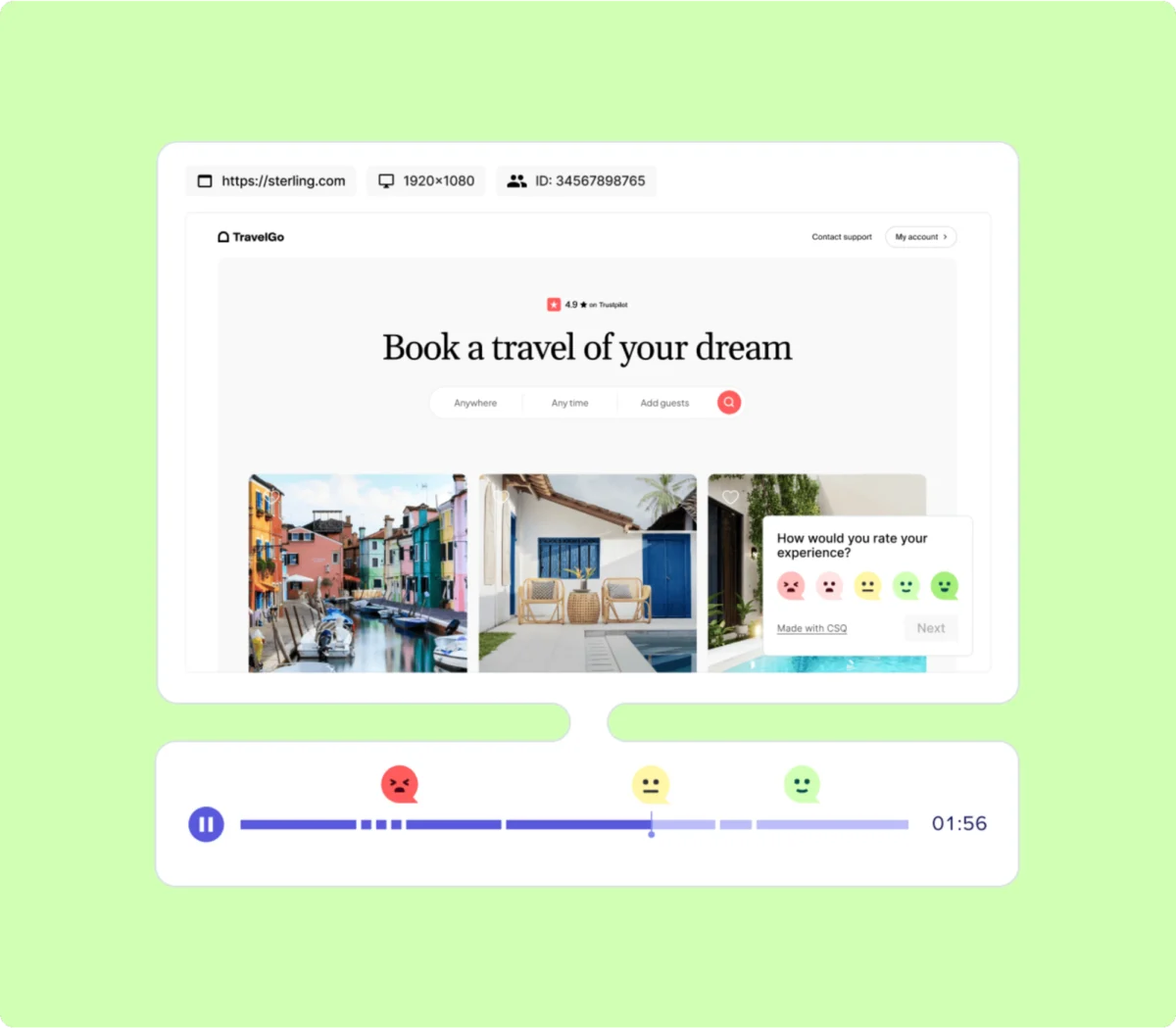
Furthermore, data from behavioral analytics platforms like Contentsquare indicates that AI is increasingly assuming the burden of quantitative data processing. AI-powered tools can now analyze massive datasets—tracking user journey paths, heatmaps, and conversion funnels—to identify patterns and anomalies that would be impossible for a human team to process manually. This capability allows organizations to optimize interfaces for efficiency at a scale and speed previously unimaginable.

Comparative Analysis: Machine Efficiency versus Human Judgment
The industry’s transition is built upon a clear division of labor between algorithmic strengths and human necessities. AI excels in "the boring stuff"—tasks defined by speed, volume, and relentless adherence to rules. In the context of large-scale enterprise design systems, AI’s ability to manage color tokens, spacing systems, and typography scales ensures a level of consistency that human designers, prone to fatigue or "eyeballing" measurements, often struggle to maintain.
Conversely, the "heart stuff"—the qualitative aspects of design—remains a uniquely human domain. Industry experts, including those from the Nielsen Norman Group, emphasize that UX design is fundamentally about communication and understanding, rather than just interface production.
- Empathy and Lived Experience: While AI can mimic empathetic language or summarize user feedback, it lacks the lived experience required to understand the nuances of human emotion. The "quiet rage" of a user facing a broken form or the anxiety associated with submitting sensitive financial data are experiences that require a human designer to interpret and address through contextual inquiry and direct user interviews.
- Ethical Oversight: AI models are optimized for specific objectives, such as maximizing user engagement. Without human intervention, these models may inadvertently implement "dark patterns" or addictive loops that prioritize short-term business metrics over long-term user well-being. Organizations like the Center for Humane Technology have documented how algorithmic optimization can undermine user mental health, placing the burden of ethical responsibility squarely on the human designer.
- Strategic Context: Design does not exist in a vacuum; it is influenced by organizational politics, regulatory nuances, and long-term business positioning. AI currently lacks the ability to navigate the complexities of a stakeholder meeting or understand the "unspoken" requirements of a corporate strategy.
Professional and Organizational Reactions
The reaction to AI integration within the UX community has been a mixture of apprehension and strategic adoption. On professional forums such as Reddit’s UX design communities, discussions frequently center on the "AI replacement" narrative, with entry-level designers expressing concern that the automation of production tasks will eliminate the traditional pathway for career growth.

However, many established organizations are taking a more cautious, structured approach. Several large-scale enterprises and government agencies have restricted the use of public AI tools due to significant data security and intellectual property concerns. These organizations are instead investing in "private" AI environments where designers can utilize generative tools without risking the exposure of proprietary user data.
Industry leaders suggest that the most resilient designers are those who view AI as a "crew" to be directed. This "Movie Director Metaphor" is gaining traction: much like a director does not operate every camera but is responsible for the story’s emotional intent and final impact, the modern designer is responsible for the meaning and utility of the digital experience.
The Shift in Daily Practice: From Making to Choosing
The practical reality of a UX designer’s workday is moving away from the "drawing of buttons" toward the "direction of intent." This shift is manifesting in several key areas:

- Prompt Engineering as Design Specification: Designers must now become experts in articulating goals, constraints, and priorities through precise prompting. A prompt is no longer just a request for an image; it is a technical specification that requires a deep understanding of user psychology and business objectives.
- Curation and Discernment: As AI makes the generation of options "cheap" and plentiful, the value of the designer shifts to discernment. The ability to review 50 generated options and select the one that best aligns with accessibility standards and ethical guidelines is becoming a primary skill set.
- Facilitation and Synthesis: Senior designers are spending an increasing percentage of their time facilitating workshops and mediating between stakeholders. As production speeds up, the need to ensure that the right thing is being built—rather than just building things faster—becomes the central challenge of the role.
Broader Impact and Future Implications
The long-term implications of AI-accelerated design workflows suggest a more accountable and strategic future for the profession. As the technical barriers to entry for interface production are lowered, the industry is likely to see a greater emphasis on "stewardship." Designers will be held to higher standards regarding the outcomes of their work, as the excuse of "limited time or resources" becomes less valid in an automated environment.
The job market is expected to reflect this shift, with a growing demand for designers who possess strong critical thinking, ethical judgment, and cross-functional communication skills. While the "production designer" role may diminish, the "strategic designer" role is poised to become a central pillar of product development.
In conclusion, the integration of AI into UX design does not signal the end of the profession but rather its maturation. By offloading repetitive production tasks to machines, designers are liberated to focus on the complex, messy, and deeply human problems that technology alone cannot solve. The future of UX is characterized not by the absence of human input, but by a higher level of intentionality, where designers serve as the essential bridge between business objectives, algorithmic efficiency, and human dignity. Those who embrace the role of "director of intent" will find themselves at the forefront of a more efficient, yet more human-centric, digital landscape.

