
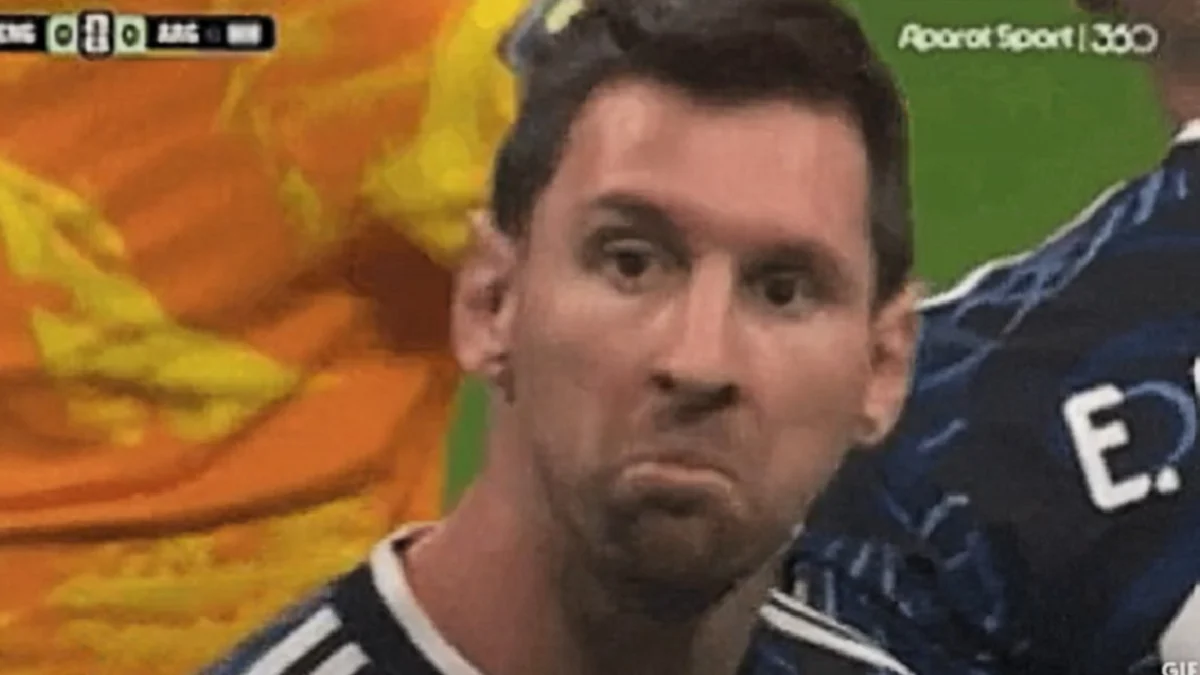
The 2026 FIFA World Cup has produced what many analysts are calling the most significant digital artifact in the history of sports media: the Messi Nod. Emerging from the high-stakes semifinal match between Argentina and England on July 15, 2026, a brief, three-second clip of Lionel Messi has transcended the boundaries of association football to become a universal symbol of calculated retribution and silent confidence. The gesture, which occurred during a pivotal moment in a match that saw Argentina secure their place in the final, has since generated billions of impressions across TikTok, Instagram, and Reddit, illustrating the evolving intersection of live sports broadcasting and internet meme culture.
The Genesis of a Viral Moment: Argentina vs. England
The match itself was held under intense global scrutiny. As the first World Cup to feature an expanded 48-team format, the 2026 tournament in North America had already set records for viewership and attendance. However, the semifinal clash between Argentina and England carried a historical weight that few other matchups could rival. Tensions were high at the MetLife Stadium in East Rutherford, New Jersey, as the two nations met in a knockout stage for the first time in over two decades.
In the second half of the match, with Argentina holding a narrow lead, a sequence of play resulted in a brief verbal exchange between Lionel Messi and an English defender. While the exact audio of the exchange remained muffled by the roar of the 82,000-capacity crowd, the visual evidence was unmistakable. Messi, maintaining a stoic and almost detached demeanor, looked directly at his opponent, gave a deliberate, slow nod, and appeared to mouth the words "Okay" or "Good."
The clinical nature of the gesture—lacking the overt aggression typically seen in high-pressure sports—immediately caught the attention of the broadcast directors. Within minutes of the final whistle, which confirmed Argentina’s victory, the clip began its journey from a live sports highlight to a global cultural shorthand.
Chronology of the Digital Spread
The transition of the "Messi Nod" from a live event to a digital phenomenon occurred with unprecedented speed. By the morning of July 16, 2026, less than 24 hours after the match, the clip had already been repurposed by major "aggregator" accounts on social media.
One of the earliest documented instances of the clip being used as a meme was posted by the Instagram account funnyhoodvidz. The post utilized the video as a reaction to a common interpersonal scenario, captioned with the phrase, "Babe he is just a friend." The juxtaposition of Messi’s "revenge-coded" nod with a situation involving perceived romantic deception resonated deeply with the platform’s audience, garnering over 332,000 likes within the first week. This initial pivot from sports context to relational humor provided the blueprint for the meme’s future iterations.
By July 17, the phenomenon migrated to TikTok, where the "Messi Nod" found its most fertile ground. The user @rudoskiii posted a video applying the clip to the world of competitive gaming, specifically the FIFA video game franchise. The caption, "When bro scores first on FIFA and doesn’t skip the replay so you hit the Messi nod," highlighted the gesture’s utility as a signifier of an impending "comeback." This specific post achieved over 2.1 million views in six days, signaling that the meme had moved beyond the sports niche into the broader "relatable content" ecosystem.
The meme’s lifecycle continued through the week, reaching Reddit’s r/dankmemes community on July 20. There, it took on a more abstract and educational tone. User BlueWhaleocean applied the nod to a scientific comparison, using Messi to represent the stoic importance of nitrogen in the Earth’s atmosphere compared to the more frequently discussed oxygen. This iteration demonstrated the meme’s versatility, proving it could be used for everything from relationship jokes to atmospheric chemistry.
Quantitative Impact and Social Media Metrics
The scale of the "Messi Nod" phenomenon is reflected in the staggering engagement metrics recorded across various platforms during the latter half of July 2026. Data suggests that the meme reached a saturation point where it was no longer just a trend for football fans, but a standard tool for digital communication.
On TikTok, the hashtag #MessiNod accumulated over 150 million views in its first ten days. Analytical tools tracking the "original sound" associated with the clip—often a slowed-down or "phonk" version of popular tracks—showed that tens of thousands of individual creators had used the footage to tell their own stories. On Instagram, the engagement rate for posts featuring the nod was reportedly 40% higher than the average for sports-related content during the same period.
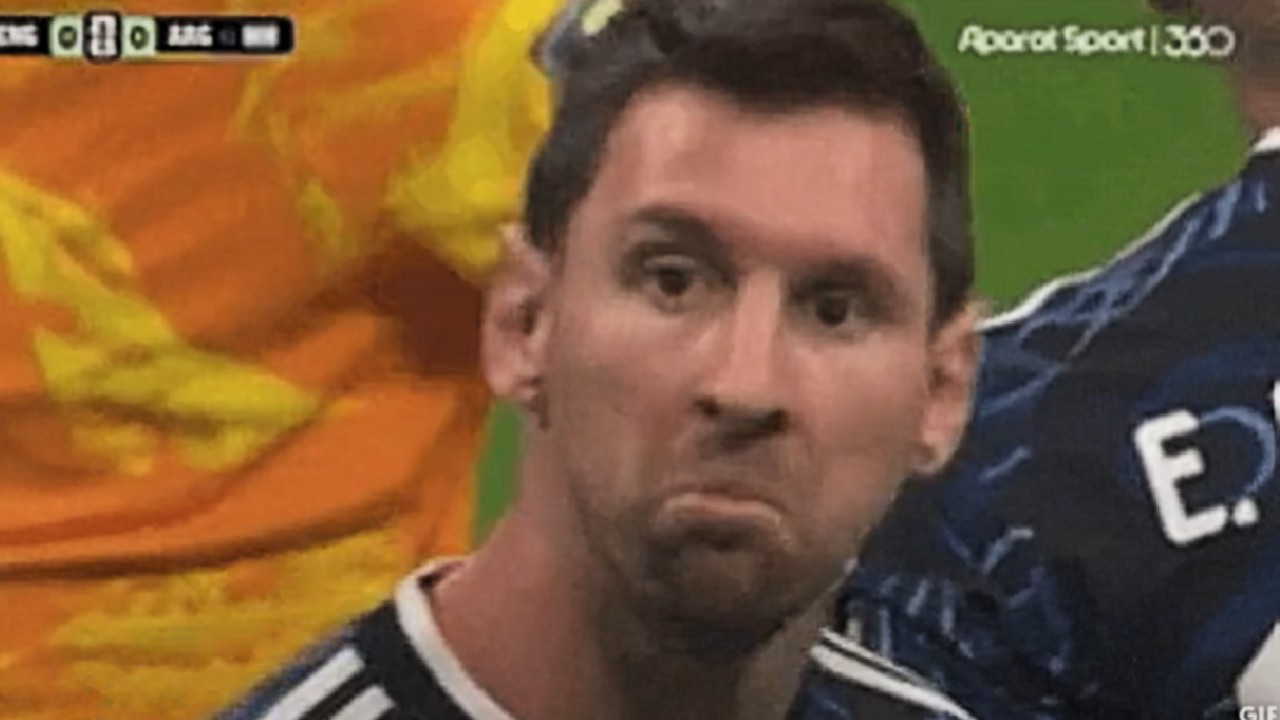
The global nature of Messi’s brand contributed to the meme’s geographic diversity. Heat maps of search interest indicated peak activity not only in Argentina and the United Kingdom but also in the United States, India, and Indonesia. This highlights a key trend in modern media: the "de-localization" of sports icons, where a player’s actions are consumed as much for their "meme-ability" as for their athletic prowess.
Psychological and Sociological Analysis
Why did a simple nod from a 39-year-old footballer resonate so powerfully with a global audience? Social media analysts and psychologists point to several factors.
First is the concept of the "Villain Arc" or "Cold" persona. In the latter stages of his career, Messi has frequently been portrayed in media not just as a gifted playmaker, but as a silent, lethal strategist. The "Messi Nod" encapsulates this "cold" aesthetic—it is a non-verbal communication of superiority. Unlike a shout or a gesture of frustration, the nod suggests that the individual has already processed the provocation and has already decided how they will win.
Secondly, the meme taps into the universal human experience of the "silent vow." Everyone has experienced a moment where they felt slighted or underestimated but chose to remain silent, banking that energy for a future victory. The Messi Nod provides a perfect visual shorthand for that internal state.
Finally, the technical clarity of the footage played a role. The 2026 World Cup utilized ultra-high-definition cameras with high frame rates, allowing every micro-expression on Messi’s face to be captured in a way that was easily editable into GIFs and short-form videos. The "readability" of his expression made it an ideal candidate for a reaction image.
Historical Precedents and Comparisons
The "Messi Nod" joins a pantheon of sports gestures that have achieved immortality through the internet. It is frequently compared to the "Michael Jordan Shrug" from the 1992 NBA Finals or the "Kermit Sipping Tea" meme. However, the Messi Nod is unique in its timing. It arrived at a moment when short-form vertical video (TikTok and Reels) had become the primary method of cultural transmission.
Unlike the Jordan Shrug, which took years to permeate the cultural consciousness through television replays and documentaries, the Messi Nod was a global phenomenon within hours. It represents the "acceleration of the aesthetic," where a moment is captured, processed, memed, and exhausted in a fraction of the time it took in previous decades.
Implications for Sports Broadcasting and Marketing
The viral success of the Messi Nod has significant implications for how sports are broadcast and marketed. FIFA and its partner networks have noted that "micro-moments"—short, expressive bursts of player personality—often generate more long-term engagement than the actual goals or match results.
In the wake of the 2026 semifinals, marketing experts have suggested that players are becoming more aware of their "on-camera" persona. The "Messi Nod" was likely an organic reaction to the intensity of the match, but its success may lead to a future where players intentionally cultivate "memeable" gestures to increase their personal brand value. For sponsors, these moments are goldmines; the clip of Messi nodding features the team’s kit and sponsors prominently, providing "earned media" worth millions of dollars in traditional advertising spend.
Conclusion: The Final Legacy of the 2026 Semifinal
As the 2026 FIFA World Cup concluded, the match between Argentina and England remained a focal point of discussion, not just for the scoreline, but for how it changed the digital landscape. The Messi Nod has become more than just a meme; it is a permanent part of the digital lexicon, used by millions to express a specific, quiet form of defiance.
While the 2026 World Cup will be remembered for its logistical scale and the crowning of a champion, the "Messi Nod" serves as a reminder of the power of the individual within the spectacle. In a tournament defined by massive stadiums and billion-dollar investments, it was a simple, silent movement of the head by the world’s most famous player that left the most lasting impression on the global public. The meme remains a testament to the fact that in the age of social media, the smallest gestures often carry the loudest messages.

