
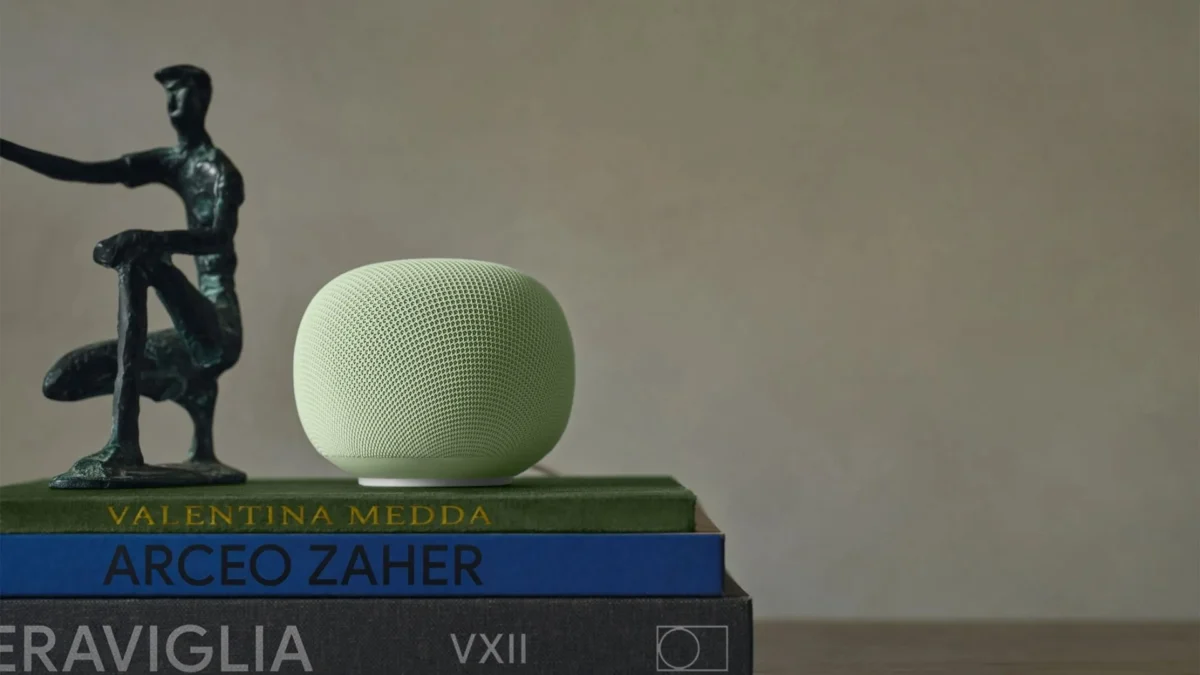
Google’s eagerly anticipated Home Speaker, intended to revitalize the company’s stagnant smart speaker lineup after a six-year hiatus, is encountering significant initial hurdles. Reports from numerous new owners indicate that the device’s setup process is failing to complete, leaving users with unresponsive hardware and a frustrating first impression. This latest setback arrives mere weeks after the product’s introduction, a period during which the device had already faced criticism for sluggish performance in various everyday interactions. The setup glitch, first prominently highlighted through user discussions on platforms like Reddit, involves the installation process stalling at an intermediate stage, rendering the speaker unusable without further intervention. While some users have attempted a factory reset as a troubleshooting measure, this action has largely proven ineffective in resolving the core issue for the majority of affected individuals.
The timing of these initial problems is particularly notable. Google had positioned the Home Speaker as a crucial re-entry into a smart home audio market that has seen substantial evolution since its last standalone offering. The extended gap in product development had left Google’s presence in this segment feeling notably diminished, prompting considerable anticipation for a device that could reclaim market share and demonstrate renewed innovation. The Home Speaker was thus launched with the expectation of being a polished and competitive offering, capable of challenging established players in the smart speaker arena. Instead, its debut has been marred by technical difficulties that undermine consumer confidence and raise questions about the product’s readiness for widespread release.
The setup failure is not an isolated incident but appears to be part of a broader pattern of early-stage performance issues that have plagued Google’s recent smart home hardware launches. Over the past few years, several new devices from Google’s ecosystem have required subsequent software patches and updates to achieve stable and reliable everyday functionality. This recurring need for post-launch fixes suggests potential challenges in the company’s hardware-software integration and testing processes, particularly for devices that are intended to be intuitive and seamless for the average consumer.
Chronology of the Setup Issue
The emergence of the setup problem can be traced to user reports appearing in the weeks following the Home Speaker’s general availability. Online forums and social media platforms became the primary channels through which these issues were aired.
- Early Weeks Post-Launch: Initial consumer feedback for the Google Home Speaker began to surface. While some reviews and user experiences were positive, a discernible number of users reported instances of slow response times and occasional unresponsiveness to voice commands, even during basic operations. This early feedback indicated that the device might not have been performing at peak efficiency from the outset.
- Emergence of Setup Failures: Approximately two to three weeks after the product became widely available, a more critical issue began to dominate user discussions: the inability to complete the initial setup process. Threads on Reddit, such as the one prominently linked by affected users, began to detail a consistent pattern of the setup wizard freezing or failing before the device could be fully configured.
- User Troubleshooting Attempts: Frustrated users explored immediate solutions, with a factory reset being a common recourse for malfunctioning electronics. However, in this case, the factory reset often did not resolve the underlying setup glitch, adding to the user’s predicament.
- Google’s Acknowledgment and Solution: Following a period of escalating user complaints, Google officially acknowledged the setup issue. The company confirmed that a software update was in development to address the problem. They also provided an immediate workaround for affected users: unplugging the Home Speaker and then plugging it back in. This power cycle was suggested to trigger the update and resolve the setup failure for many.
- Rollout of the Fix: Google indicated that the software update would be rolled out to all units within a 24-hour period, aiming to rectify the problem broadly. Users who preferred not to perform the power cycle could expect the update to be applied automatically.
Supporting Data and User Experiences
The problem was not confined to a few isolated cases. User reports on Reddit, a platform often used by early adopters and tech enthusiasts to share experiences and seek solutions, painted a clear picture of a widespread issue. One particular thread garnered significant attention as users detailed their struggles with the setup process. Descriptions often included the setup app reaching a certain percentage or stage before becoming unresponsive, leaving the Home Speaker in a state where it could not be controlled or further configured.
The reliance on factory resets, which proved ineffective for many, further underscored the severity of the glitch. This suggests that the issue was not a simple configuration error on the user’s part but rather a deeper software or firmware anomaly preventing the initial handshake and proper device initialization. The fact that a simple power cycle could potentially resolve the issue points towards a firmware or connectivity problem that a reboot could rectify by forcing a re-establishment of communication channels or a re-application of a pending update.
Official Response and Mitigation Efforts
Google’s swift acknowledgment of the setup failure and its provision of a clear, albeit temporary, solution have been a crucial step in managing the situation. The company’s statement confirmed that a software update was indeed the intended fix. The immediate advice to power cycle the device served a dual purpose: it offered a tangible action for frustrated users and likely helped accelerate the deployment of the update to a significant portion of the affected user base.
The assurance that the update would reach all units within 24 hours, either through the power cycle workaround or automatic deployment, aimed to reassure customers that a resolution was imminent. This approach, while reactive, demonstrates Google’s commitment to addressing critical bugs that impact the initial user experience. The company’s communication strategy, directly addressing the issue and offering a clear path to resolution, is a standard practice in the tech industry when dealing with product launch hiccups.
Broader Impact and Implications
The recurring technical difficulties with the Home Speaker and other recent smart home devices from Google have several implications for the company and its consumers.
- Erosion of Consumer Trust: For a company aiming to regain its footing in a competitive market, a product launch plagued by setup issues can significantly damage consumer trust. Early adopters, often vocal in their opinions, can influence wider purchasing decisions. The perception of a rushed or poorly tested product can lead to hesitation among potential buyers.
- Competitive Landscape: The smart speaker market is dominated by established players like Amazon’s Echo devices and Apple’s HomePod. Competitors have refined their offerings over years of iteration, often benefiting from a more stable and seamless user experience. Google’s recurring stumbles in this area give its rivals an advantage, as consumers may opt for products perceived as more reliable.
- Impact on Google’s Smart Home Ecosystem: Google has invested heavily in its broader smart home ecosystem, including Nest products, Pixel devices, and its AI-powered Assistant. Issues with core hardware like the Home Speaker can cast a shadow over the entire ecosystem, potentially making consumers wary of investing further in Google’s smart home offerings.
- Product Development and Testing Cycles: The pattern of requiring early patches suggests a potential need for Google to re-evaluate its hardware development and quality assurance processes. Investing more in robust pre-launch testing, particularly for critical functions like initial setup, could prevent such issues from impacting consumers at scale. This also involves ensuring that software updates are thoroughly tested before deployment, even if they are intended as fixes.
- Alternative Consumer Behavior: The article highlights that some consumers are opting for older, more reliable devices like the six-year-old Nest Audio, or are gravitating towards devices with screens, such as the Pixel Tablet in speaker mode. This indicates a clear preference for proven stability and added functionality over the allure of a new, albeit problematic, device. The added visual feedback of screen-enabled devices can be a significant differentiator, especially when a screen-free device is experiencing functional difficulties.
The Google Home Speaker is currently priced at £99/$99, positioning it as a competitive offering in terms of cost. However, its current market entry has been significantly hampered by these initial technical glitches. While Google has confirmed a fix is on its way and has provided a temporary workaround, the long-term impact on the product’s reception and Google’s standing in the smart speaker market remains to be seen. The company’s ability to consistently deliver stable and reliable hardware experiences will be crucial in rebuilding consumer confidence and effectively competing in the evolving landscape of smart home technology. The expectation is that the 24-hour rollout window will indeed bring the device to a functional state for most, but the initial impression will likely linger for those who encountered the setup frustrations firsthand.

