
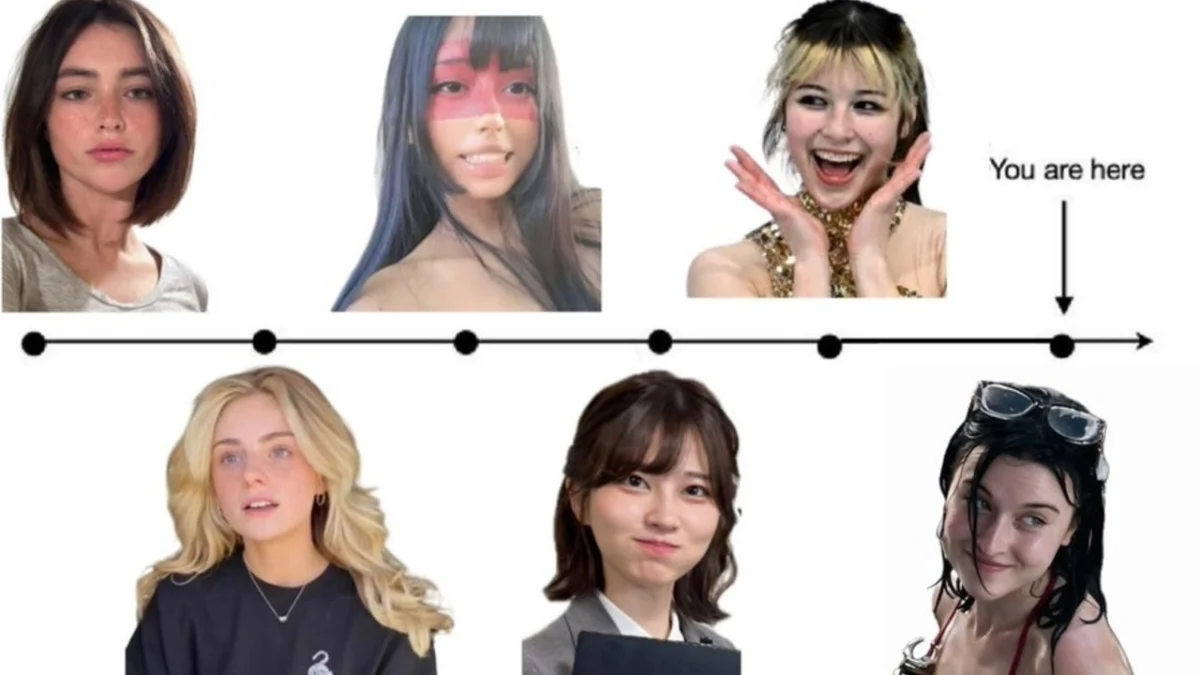
The Gooner Timeline represents a significant development in the landscape of digital subcultures, serving as a living document that tracks the intersection of viral fame, aesthetic appreciation, and internet slang. Originally emerging as a static image, the meme has evolved into a sophisticated exploitable format that categorizes women who have achieved sudden, often overwhelming popularity across social media platforms. While the terminology associated with the meme is rooted in the "gooner" subculture—a term typically used to describe individuals who engage in hyper-fixated, often sexualized consumption of online content—the timeline itself has become a broader sociological barometer for how the "male gaze" operates within the algorithmic confines of platforms like X, Instagram, and TikTok.
The Gooner Timeline functions as a chronological record of women who have gone viral primarily due to their physical appearance or a specific aesthetic "vibe" that resonates with a predominantly male digital audience. By mapping these individuals on a linear path, the meme creates a narrative of collective internet attention, suggesting that each entry represents a specific era or "cycle" of online fixation.
The Genesis of a Digital Record
The origins of the Gooner Timeline can be traced back to July 30, 2025, when the X user known as @OverfitQuantit1 posted the first iteration of the graphic. This original version quickly resonated with the platform’s user base, garnering over 24,000 likes and 1.6 million views within its first year of circulation. The initial graphic was not merely a list of names but a visual layout that positioned several key figures as the foundational "pillars" of this digital phenomenon.
Among the first entries were Dasha Nekrasova, a co-host of the controversial yet influential Red Scare podcast; Gio Scotti, an influencer who gained notoriety through a specific "ancient Greek towel boy" aesthetic; and Saori Araki, a Japanese salarywoman whose candid street photography sparked a wave of international interest. These figures represent the diverse ways in which women enter the "gooner" canon—ranging from deliberate media personalities to private citizens captured in a single viral moment.
The inclusion of the "Model vs. Cashier" meme subject further highlighted the timeline’s focus on comparative aesthetics. This specific entry refers to a viral video comparing a high-fashion model to a retail worker, with the internet’s collective preference often leaning toward the perceived "natural" beauty of the latter. By documenting these moments, @OverfitQuantit1 established a framework for understanding how internet thirst is redirected and renewed through a revolving door of new subjects.
Institutional Spread and Algorithmic Amplification
As the Gooner Timeline gained traction, it moved beyond its original niche on X and began to permeate other major social media ecosystems. On August 4, 2025, the Instagram user sadcinameme2 posted a modified version of the timeline, indicating the meme’s adaptability across different visual cultures. This version expanded the scope of the timeline to include international figures, such as South Korean actress Kim Sae-ron and Malaysian celebrities Ahirine Ahiruddin and Elizabeth Tan. This expansion demonstrated that the "gooner" phenomenon was not limited to Western internet circles but was a globalized byproduct of interconnected social media feeds.
The meme reached a new level of mainstream awareness through the "reaction economy" of YouTube. On August 9, 2025, the Asmongold Shorts channel—a prominent outlet for the popular streamer Asmongold—uploaded a clip of the creator reacting to the original timeline. The video amassed over 4.4 million views, signaling that the meme had moved from a participatory subculture to a subject of general digital commentary. Asmongold’s reaction provided a meta-commentary on the timeline, acknowledging the sheer speed at which the internet identifies and then moves on from new "muses."
Chronological Developments and Key Additions
The Gooner Timeline is inherently dynamic, requiring frequent updates to remain relevant in the fast-paced environment of social media. The creator, @OverfitQuantit1, has been proactive in maintaining the meme’s currency. On February 27, 2026, an updated version was released to include Alysa Liu, a U.S. Olympic figure skater. The inclusion of an elite athlete highlighted a shift in the timeline’s criteria, moving from purely aesthetic "thirst traps" to public figures whose professional achievements are often secondary to their viral "goonbait" potential in the eyes of certain online demographics.
Perhaps one of the most unexpected additions occurred on March 26, 2026, when X user @rathor7_ posted a version featuring a barista who appeared in a video serving coffee to Israeli Prime Minister Benjamin Netanyahu. This entry illustrated the meme’s ability to strip individuals of their immediate political or social context, reducing a complex real-world interaction to a singular aesthetic data point. The barista’s inclusion showcased how the "gooner" gaze can be triggered by almost any visual stimulus, regardless of the gravity of the surrounding event.
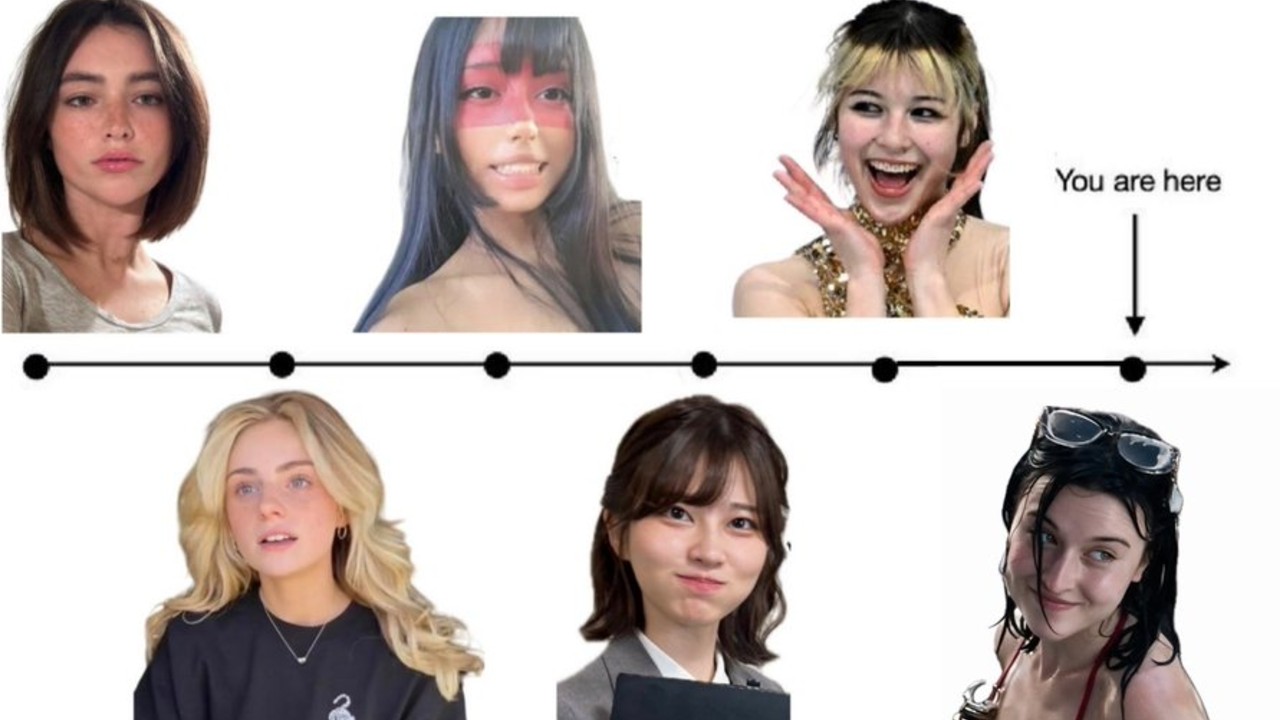
Further updates in mid-2026 saw the inclusion of figures like "Oceane" and various Olympic athletes who went viral during summer competitions. Each update typically follows a predictable pattern: a woman appears in a viral photo or video, the "gooner" community on X identifies her as the new "current thing," and the timeline is edited to include a "You Are Here" marker pointing to her image.
Sociological and Psychological Implications
The Gooner Timeline is more than a collection of images; it is a manifestation of the "attention economy." From a sociological perspective, the meme serves as a critique—or perhaps a celebration—of the male gaze in the 21st century. It gamifies the act of finding someone attractive, turning the subjective experience of attraction into a communal, documented event.
The term "gooning" itself implies a level of self-awareness regarding the absurdity of this behavior. By labeling the timeline as such, users are often engaging in a form of "ironic detachment." They acknowledge that their fixation on these viral figures is fleeting and perhaps obsessive, yet they continue to participate in the cycle. This creates a feedback loop where the meme both documents and encourages the very behavior it describes.
Furthermore, the timeline highlights the "ephemerality of fame" in the digital age. Most subjects on the timeline enjoy a period of intense, concentrated attention that lasts anywhere from a few days to a few weeks before they are replaced by the next entry. The timeline serves as a digital graveyard of past fixations, reminding users of who they were "gooning" over months prior.
Diversification of the Format: The Goon Piece Incident
As the meme matured, it began to inspire parodies and thematic variations that moved away from real-world individuals and into the realm of fiction and pop culture. One notable example is the "Goon Piece Timeline," a satirical reimagining of the long-running manga and anime series One Piece.
This version of the meme applied the "gooner" logic to the history of the One Piece world, referencing events like the "Goon Valley Incident" (a play on the series’ "God Valley Incident") and humorously reinterpreting the motivations of major characters through the lens of internet thirst. This evolution suggests that the Gooner Timeline has become a recognizable "syntax" of the internet—a way of organizing information that can be applied to any subject matter to elicit a specific type of humor.
Impact on the Subjects
While the Gooner Timeline is often viewed as a harmless joke within male-dominated internet circles, the real-world impact on the women featured in the meme is complex. For some, like Dasha Nekrasova or established influencers, being included in such a timeline is a form of cultural capital that reinforces their brand. For others, particularly private citizens like the "Israeli Barista" or the "Cashier," the sudden influx of attention can be intrusive.
The meme operates on the principle of objectification, where the subject’s personality, career, and agency are secondary to their visual appeal. In a professional news context, this raises questions about the ethics of viral fame. The Gooner Timeline essentially "indexes" women without their consent, placing them in a catalog that is inherently sexualized.
Conclusion and Future Trajectory
The Gooner Timeline is a testament to the power of community-driven content curation. It represents a shift from traditional media "it girls" to a decentralized, algorithmically-driven model of celebrity. As long as platforms like X and Instagram continue to prioritize high-engagement visual content, the Gooner Timeline will likely continue to grow, adding new chapters to its history of viral fixation.
The meme’s longevity will depend on its ability to adapt to new platforms and cultural shifts. While its roots are in a specific subculture, its branches have reached into the mainstream, influencing how we perceive and document the fleeting nature of internet fame. Whether viewed as a harmless archive of digital trends or a symptom of a more problematic online culture, the Gooner Timeline remains one of the most enduring and frequently updated "exploitables" of the current era. As the "You Are Here" marker moves from one image to the next, it continues to map the ever-changing landscape of what the internet finds captivating.

