
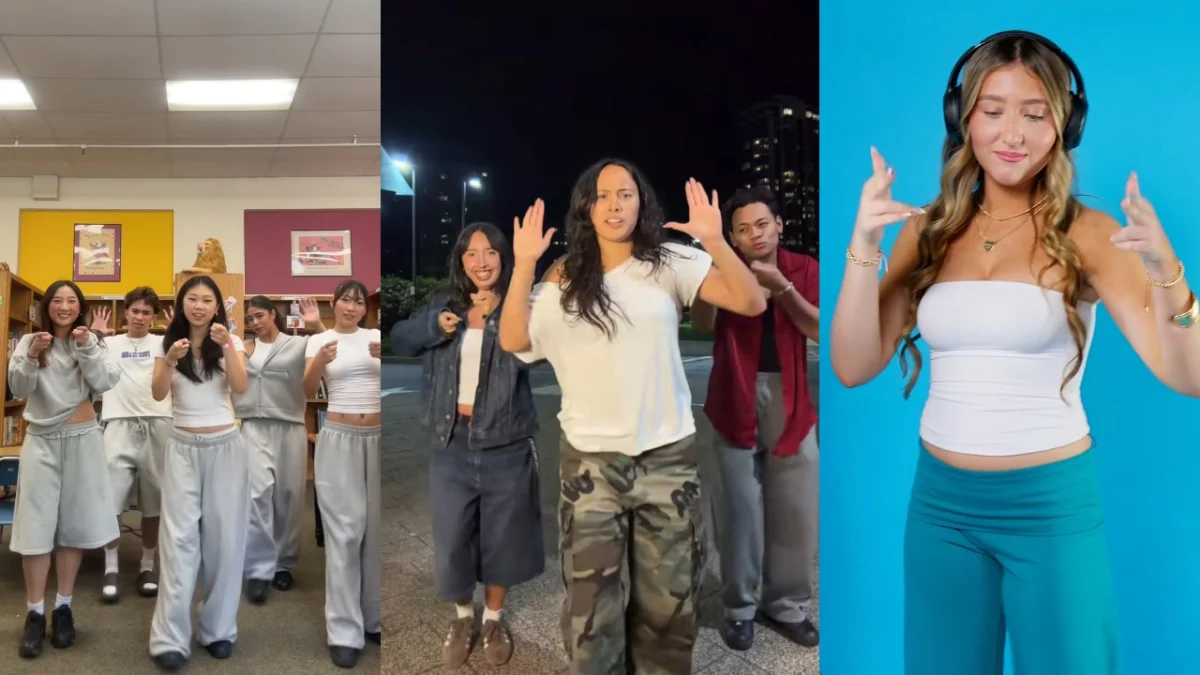
The Obsession Dance has emerged as one of the most polarizing social media phenomena of mid-2026, highlighting a growing tension between creative digital expression and the sensitive handling of cinematic themes. Rooted in the psychological horror film Obsession, released earlier in the year, the trend utilizes a high-intensity audio clip from a pivotal scene involving a character’s emotional breakdown. While the dance initially followed the standard trajectory of viral TikTok challenges, it has since become a focal point for debates regarding "tone-deaf" content and the "TikTokification" of traumatic narratives.
Contextual Background: The Film Obsession (2026)
To understand the controversy surrounding the Obsession Dance, one must first examine the source material. The 2026 film Obsession, produced by Universal Pictures, was marketed as a harrowing exploration of psychological unraveling and domestic surveillance. A central scene in the movie features the protagonist, Nikki, experiencing a public mental health crisis during a dinner at a crowded restaurant. As the tension reaches its breaking point, Nikki begins to break down, shouting the now-viral line, "No, no, no! Don’t do that! I thought we were having a nice date!"
The scene was lauded by film critics for its raw portrayal of vulnerability and the visceral performance of the lead actress. However, as is common in the digital age, the emotional weight of the performance was quickly abstracted from its context once the audio was uploaded to TikTok. The sound bite, characterized by its frantic pacing and high-pitched distress, provided a rhythmic template that creators found conducive to choreography.
Chronology of the Trend: From Choreography to Viral Status
The inception of the Obsession Dance can be traced back to May 29, 2026. TikTok creator @sad_i_e posted a video featuring an original dance set to the "No, No, No!" audio clip. The choreography was energetic, featuring sharp, synchronized movements that contrasted sharply with the audio’s distressing content. Within two months, this original post amassed over 2.5 million views, serving as the blueprint for thousands of subsequent iterations.
Throughout June 2026, the trend gained significant momentum. On May 30, the account @daproppelerbaddies shared a version of the dance that garnered over 524,000 views, signaling that the "DC" (dance challenge) was beginning to take root within the platform’s dance community. By the end of May, groups of creators began collaborating on the trend. A notable example occurred on May 31, when @lina.sunmee posted a group performance that achieved 3.7 million views in eight weeks. At this stage, the trend was largely viewed as a standard viral challenge, with participants focusing on technical execution rather than the narrative origins of the audio.
The Flighthouse Catalyst and Mainstream Saturation
The transition from a niche community trend to a mainstream cultural moment occurred in early July 2026. On July 2, Flighthouse—a prominent digital media brand known for its massive influence on TikTok trends—posted a video featuring creators Sydney Smiles and Ayiah Soufi. In the video, one creator attempted to guess the dance being performed by the other. The inclusion of the Obsession Dance in this high-production format propelled the trend to new heights, with the video securing over 11 million views in less than a month.
The Flighthouse video is often cited by digital analysts as the "tipping point" for the trend. By presenting the dance as a recognizable "game" element, the platform effectively canonized the choreography. However, this increased visibility also brought the trend to the attention of a wider, more critical audience who were familiar with the film’s dark subject matter.
The Emergence of Criticism and the "Tone-Deaf" Narrative
By late July 2026, the sentiment surrounding the Obsession Dance shifted from amusement to scrutiny. On July 28, a TikToker under the handle @diamonds8730 posted a compilation of various creators performing the dance, accompanied by the caption, "I’m sorry but who tf made this a dance." The video, which gained 1.4 million views in three days, served as a catalyst for a broader conversation about the appropriateness of the trend.
Critics argued that transforming a scene depicting a character’s intense psychological suffering into a lighthearted dance challenge was inherently insensitive. This backlash highlights a recurring issue on social media platforms where audio from films and real-life events is stripped of its meaning to serve as a backdrop for aesthetic content. In the case of Obsession, the "No, No, No!" audio represents a moment of peak trauma for the character, leading many to view the synchronized dancing as a trivialization of mental health struggles.
The discourse reached a fever pitch on July 30, 2026, when creator @ajyaps69_ posted a viral "rant" reacting to the Flighthouse video. In his critique, which garnered 3.3 million views in a single day, he lamented the "rise of technology" and the perceived decline of cultural empathy. His commentary resonated with a large segment of the internet that felt the trend had crossed a line into "brainrot"—a slang term used to describe content that is perceived as nonsensical, repetitive, or intellectually degrading.
Analytical Perspectives: The Mechanics of Digital Desensitization
The Obsession Dance serves as a case study in how digital platforms facilitate a form of desensitization. Data from social media analytics firms suggests that the "audio-first" nature of TikTok encourages users to engage with sounds as rhythmic tools rather than narrative devices. When a sound goes viral, the primary goal for many creators is "algorithm optimization"—participating in the trend to ensure visibility—which often precludes a deeper investigation into the sound’s origin.
Sociologists studying digital culture point to this as the "decontextualization of trauma." In the physical world, a person shouting "No, no, no!" in a restaurant would elicit concern or alarm. In the digital world of TikTok, it becomes a cue for a "step-touch" or a "hand-swipe." This disconnect is what fueled the backlash against the Obsession Dance, as the "uncanny valley" between the audio’s distress and the dancers’ smiles became too wide for many observers to ignore.
Official Responses and Industry Impact
While Universal Pictures has not issued a formal statement regarding the dance trend, the studio’s marketing department has historically embraced viral moments to bolster box office numbers. However, the nature of the Obsession backlash presents a unique challenge for film studios. While viral trends provide "free" marketing, they can also skew the public’s perception of a film’s tone. For a horror movie intended to be taken seriously as a psychological drama, being associated with a "cringe-inducing" dance trend can potentially undermine its artistic credibility.
Digital talent agencies have also had to navigate the fallout. Several creators who participated in the trend reportedly faced "comment section revolts," leading some to delete their videos or post clarifications. This incident has prompted some influencer management firms to implement more rigorous "content sensitivity" training, encouraging creators to research the origins of viral audios before participating in challenges.
Broader Implications for Social Media Trends
The Obsession Dance controversy is indicative of a broader shift in how audiences consume and critique viral content. As the "Gen Z" and "Gen Alpha" demographics mature, there appears to be a growing divide between those who prioritize the "meme-ability" of content and those who demand ethical consistency in digital trends.
Key takeaways from the Obsession Dance trend include:
- The Speed of Content Evolution: The trend moved from creation to mainstream saturation to widespread backlash in exactly two months, illustrating the rapid lifecycle of modern memes.
- The Power of Amplifiers: Entities like Flighthouse play a crucial role in validating trends, but they also act as lightning rods for criticism when those trends are deemed controversial.
- The Demand for Context: The backlash suggests that a significant portion of the social media audience is no longer satisfied with decontextualized content and is willing to hold creators accountable for perceived insensitivity.
Conclusion: The Legacy of the "No, No, No!" Trend
As of August 2026, the Obsession Dance has largely transitioned into a "meta-meme," where the majority of new posts are parodies or critiques of the original dance rather than sincere attempts at the choreography. The trend has left a lasting mark on the digital landscape, serving as a cautionary tale for creators and brands alike.
While TikTok continues to be a hub for creative expression, the Obsession Dance serves as a reminder that the boundary between entertainment and insensitivity is often thin. As the platform evolves, the tension between the desire for viral growth and the need for cultural awareness is likely to remain a central theme in the digital discourse. For now, the "No, No, No!" audio remains a symbol of the complex, often contradictory nature of 21st-century internet culture—a place where a character’s worst moment can become a teenager’s favorite dance move.

