
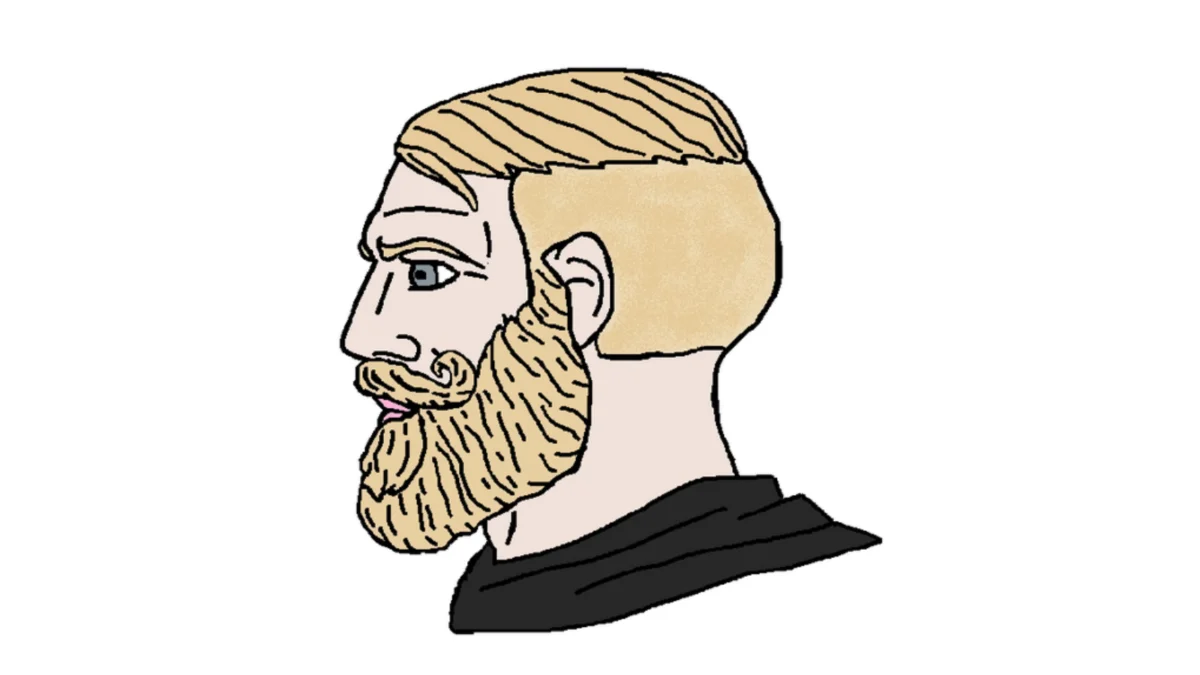
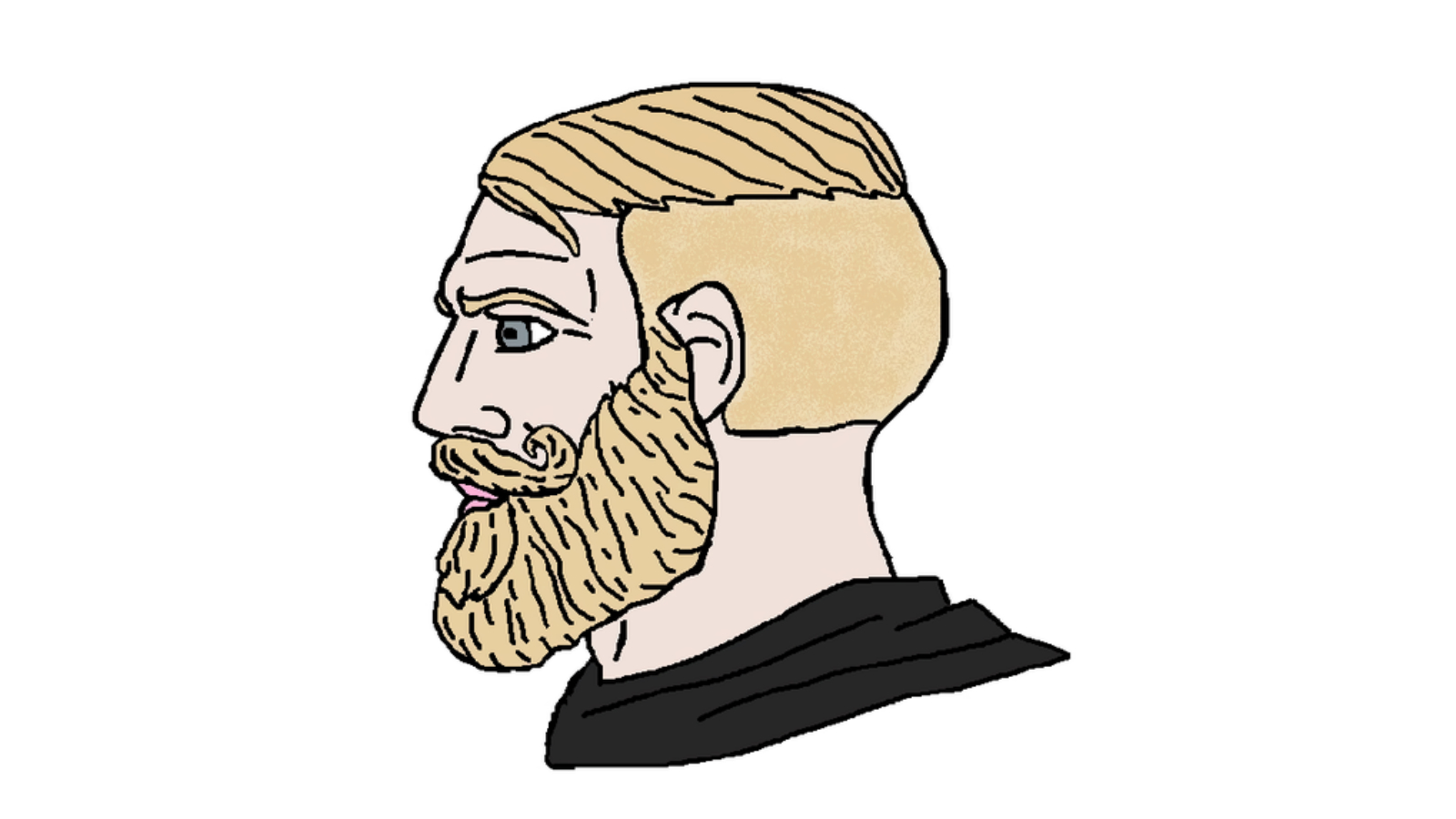
The digital landscape of the late 2010s and early 2020s has been significantly shaped by the emergence of specific visual archetypes that distill complex social attitudes into simplified, reproducible imagery. Among the most influential of these is the Yes Chad, also widely recognized as the Nordic Gamer. This meme, characterized by a stoic, blonde-haired, blue-eyed man with a well-groomed beard, has transcended its origins as a niche 4chan illustration to become a global symbol of defiant self-acceptance and a cornerstone of contemporary Wojak-based digital comics. Representing a shift in how internet users respond to criticism, the Yes Chad phenomenon serves as a primary example of how visual shorthand can be used to navigate the increasingly polarized and often hostile environments of social media platforms like Twitter, X, and Reddit.
Origins and the Genealogy of the Nordic Aesthetic
The Yes Chad meme did not emerge in a vacuum but was instead the result of a long-standing evolution within the Wojak comic subculture. For years, the internet had utilized the Wojak—a simple, MS Paint-style drawing of a bald, sad man—to express feelings of loneliness, depression, or social inadequacy. By 2019, the visual vocabulary of these comics began to diversify, moving toward more specific ethnic and social archetypes. The Nordic Gamer specifically emerged from the "Nordic vs. Mediterranean" debates common on 4chan’s international boards, where users would humorously or contentiously compare different European phenotypes.
The specific iteration of the Yes Chad we recognize today was first solidified on August 1, 2019. Twitter user @yachs_91 is credited with posting one of the earliest and most influential versions of the meme. This initial post featured a contrast between a "Brainlet"—a distorted, low-intelligence variation of the Wojak—and the poised, bearded Nordic character. In this instance, the Brainlet attempted to mock the Nordic character with a derogatory comment, to which the Nordic character simply replied "Yes." This interaction set the template for the meme’s primary function: the subversion of an insult through calm, unwavering agreement. The original tweet garnered significant traction, amassing over 230 retweets and 930 likes within its first month, signaling the birth of a new era in reactionary digital media.
Mechanics of the Meme: The Power of Affirmation
The core appeal of the Yes Chad lies in its psychological utility. In traditional internet arguments, the standard response to an insult or an attempt at "gatekeeping" is often defensive. Users typically respond with anger, counter-insults, or lengthy justifications. The Yes Chad format revolutionized this dynamic by introducing the "Stoic Affirmation." By simply saying "Yes" to an accusation—whether the accusation is that one has niche interests, unconventional habits, or perceived personal failings—the user effectively strips the bully of their power.
This "debasement of the mocker" became a viral sensation because it provided a blueprint for digital resilience. On August 2, 2019, only a day after the original post, Twitter user @C0atThe expanded the format to include cultural critiques, showing the Nordic character accepting a mockery of British cuisine with a simple "Delicious." Later that month, on August 27, user @joerogarn applied the format to the "Are ya winning, son?" meme, where the Nordic Chad replies "Yes" to his father, symbolizing a sense of pride and accomplishment in his digital hobbies. This specific variation exploded in popularity, receiving over 2,400 likes and further cementing the character as a symbol of "winning" through self-assuredness.
Proliferation and the Rise of the Trad Girl
As the Yes Chad gained momentum, the ecosystem surrounding it expanded to include a female counterpart known as the "Trad Girl" or "Tradwife." This character, depicted with blonde hair and a floral dress, was designed to represent traditional values and domesticity, often serving as a romantic or social foil to the Nordic Gamer. The introduction of the Trad Girl allowed for more complex storytelling within the Wojak comic format.
While the Nordic Gamer represented stoicism, the Trad Girl often represented a yearning for a simpler, more traditional lifestyle. Together, these characters were used to create "wholesome" memes that contrasted sharply with the cynical and nihilistic tone of earlier 2010s internet humor. However, the use of these archetypes was not without controversy. Because the characters were coded with specific European features, they were occasionally co-opted by fringe political groups. Despite this, the broader internet community largely maintained the characters as versatile tools for social commentary, focusing on the dichotomy between modern "cringe" culture and a perceived sense of classical dignity.
Comparative Evolution: Soyjaks vs. Chads
One of the most enduring legacies of the Yes Chad is the "Soyjaks vs. Chads" format. This sub-genre of the meme typically features two panels. On one side, "Soyjaks"—variations of the Wojak character that represent hyper-emotional, consumerist, or easily offended individuals—are shown arguing or weeping over a minor grievance. On the other side, two Chads (usually the Nordic Gamer and another variation) are shown having a calm, rational conversation or stoically accepting a difficult truth.
This format became particularly prevalent in gaming and film fandoms. For example, in the "Other Game Leaks" variations, Soyjaks are depicted as being devastated by spoilers or minor changes in a game’s mechanics. In contrast, the Chads are shown acknowledging the flaws of their favorite franchise with a "We know" or "Yes," demonstrating a level of emotional maturity and detachment. This specific iteration highlights a shift in digital discourse where "fanaticism" is mocked, and "composed acceptance" is elevated as the ideal state of being. Examples involving "FromSoftware" game leaks or "Team Fortress 2" updates became iconic, illustrating how the meme could be tailored to any niche community to critique its internal dynamics.
Supporting Data and Search Interest Trends
The statistical footprint of the Yes Chad is a testament to its longevity. Unlike many memes that experience a sharp peak and a rapid decline, search interest for "Yes Chad" and "Nordic Gamer" has shown remarkable stability since 2019. According to data from Google Trends, search volume for the term saw its first major spike in late 2019, followed by a massive surge in the summer of 2020 as the "Soyjaks vs. Chads" format became a dominant mode of expression during the global lockdowns.
The meme’s versatility is further evidenced by its presence on high-traffic platforms. On Know Your Meme, the "Yes Chad" entry has garnered millions of views, and on Reddit, subreddits dedicated to Wojak comics frequently feature the Nordic Gamer in their top-rated posts of all time. The availability of "blank templates"—such as the front-facing Nordic Chad or the non-bearded variation—has allowed users with minimal graphic design skills to participate in the meme’s evolution, ensuring a constant stream of new content that keeps the archetype relevant.

Broader Cultural Impact and Implications
The Yes Chad phenomenon represents more than just a series of funny images; it reflects a broader cultural movement toward "New Sincerity" and "Irony Poisoning." In an era where the internet is often defined by performative outrage, the Yes Chad offers a path of least resistance. It suggests that one does not need to defend their identity or interests to those who seek to mock them.
Furthermore, the meme has influenced the way brands and public figures interact with their audiences. The "Chad" persona has become a desirable trait in digital marketing, where companies attempt to appear "unbothered" by criticism, adopting a "Yes" attitude toward their own perceived flaws. This transition from a 4chan-born image to a mainstream rhetorical device illustrates the power of digital archetypes to reshape language and social interaction.
However, the analysis of the Yes Chad must also acknowledge its role in the "standardization" of internet beauty ideals. By elevating a very specific aesthetic—the "Nordic" look—the meme inadvertently reinforces certain beauty standards, even when used ironically. Digital anthropologists note that while the meme is used to fight bullying, it does so by creating a new hierarchy where the "Chad" is the ultimate arbiter of what is cool or acceptable.
Chronology of Key Developments
To understand the trajectory of the Yes Chad, one must look at the timeline of its most significant milestones:
- August 1, 2019: The "Nordic Gamer" is first paired with the "Yes" caption on Twitter, establishing the core reactive format.
- Late 2019: The "Trad Girl" variation is introduced, expanding the narrative potential of the comics.
- Early 2020: The meme migrates heavily to Reddit and Facebook, where it is adopted by diverse communities ranging from history buffs to fitness enthusiasts.
- Mid-2020: The "Soyjaks vs. Chads" format becomes the dominant version of the meme, used to compare different reactions to media and social events.
- 2021-Present: The meme enters the "post-ironic" phase, where it is used both seriously and as a parody of itself, with "Gigachad" (a real-life person, Ernest Khalimov) often being conflated with the drawn Nordic Gamer.
Conclusion
The Yes Chad and Nordic Gamer memes have fundamentally altered the landscape of internet communication. By providing a visual and linguistic shorthand for stoicism and self-assurance, they have given users a tool to navigate the complexities of online tribalism. Whether used to defend a niche hobby, critique a fandom, or simply to end an argument with a single word, the Yes Chad remains a potent symbol of the modern digital age. Its evolution from a simple 4chan drawing to a global cultural touchstone highlights the enduring power of the Wojak mythos and the collective desire for a more composed, "unbothered" online existence. As digital culture continues to evolve, the legacy of the bearded man saying "Yes" will likely persist as a foundational element of how we express identity and resilience in the face of scrutiny.

