
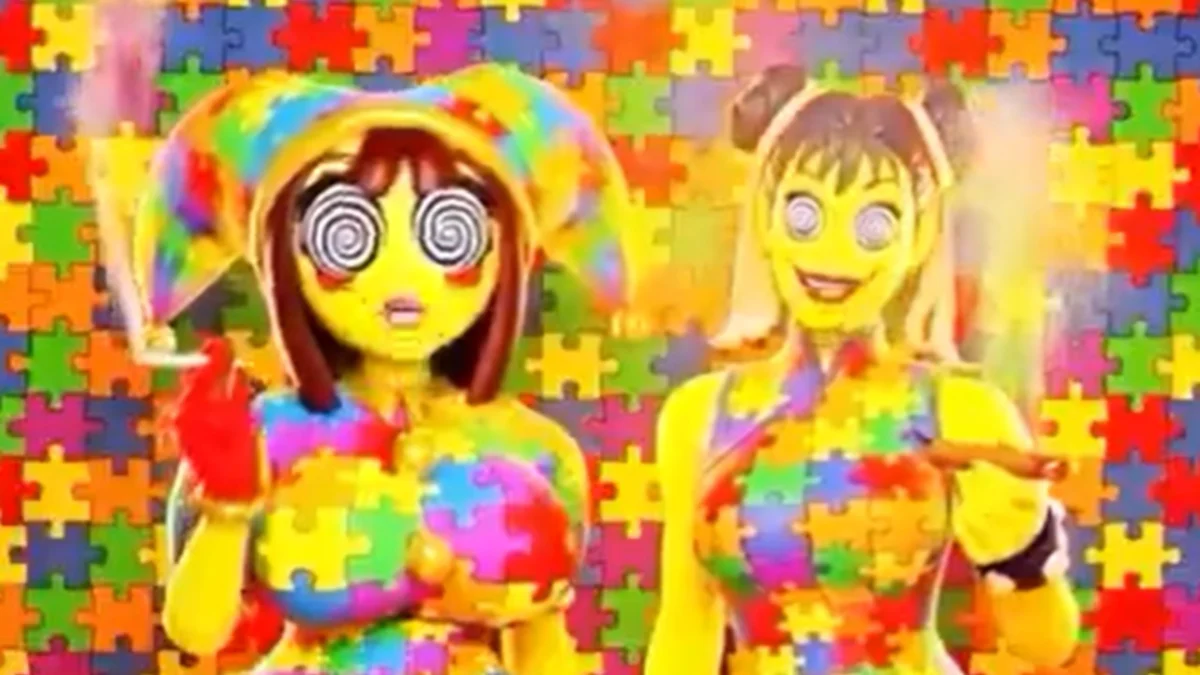
The emergence of the Pomni and Chun-Li Relapse Hypnosis AI Video in late July 2026 marks a significant flashpoint in the evolution of generative artificial intelligence and its intersection with internet subcultures. This AI-generated video, which features two of the most recognizable figures in modern digital media—Pomni from the indie animation sensation The Amazing Digital Circus and Chun-Li from Capcom’s storied Street Fighter franchise—has sparked intense debate regarding the ethics of AI content, the nature of "brain rot" humor, and the weaponization of nostalgia and childhood iconography. The video depicts the two characters in a surreal, puzzle-patterned environment, utilizing hypnotic visual effects and a disturbing narrative script to encourage viewers to abandon self-improvement in favor of "relapsing" into destructive habits, specifically drug use and compulsive internet consumption.
Detailed Origin and Initial Circulation
The digital trail of the Pomni and Chun-Li Relapse Hypnosis AI Video began on July 27, 2026, on the social media platform X (formerly Twitter). The video was first brought to public attention by the user @ACTUALEGG9, who shared the clip as a comment within a larger discussion thread. In this initial iteration, the video featured Pomni and Chun-Li sitting in a room saturated with puzzle-piece patterns—a visual motif frequently associated with autism awareness, though often used controversially within different online communities. Both characters are depicted smoking, their eyes replaced by swirling, hypnotic spirals that suggest a state of trance or mind control.
According to @ACTUALEGG9, the video was not their original creation but was allegedly sent to them by a friend, leaving the actual architect of the AI-generated slop anonymous. Despite its obscure origins, the post quickly gained traction, amassing over 700,000 views and 500 likes within the first week. The unsettling nature of the content—specifically the characters’ direct address to the camera, urging the viewer to "goon all day" and give in to their "worst vices"—created an immediate visceral reaction among users, ranging from genuine discomfort to ironic fascination.
Later that same day, the video was amplified by user @shaarkbboy, who reposted the clip with the caption, "this is how it’s been feeling lately." This specific post served as the catalyst for the video’s transition from a niche curiosity to a mainstream meme, garnering over 948,000 views and 14,000 likes in less than seven days. The captioning of the video as a reflection of internal mental states established a template that would define its spread over the following weeks.
Visual Symbolism and Character Context
To understand the impact of the Pomni and Chun-Li Relapse Hypnosis AI Video, it is necessary to examine the cultural weight of the characters involved. Pomni, the protagonist of The Amazing Digital Circus, is a character defined by existential dread, trapped in a digital purgatory she cannot escape. Since the show’s debut by Glitch Productions, Pomni has become a mascot for modern anxiety, making her an ideal candidate for "dark" AI-generated content. Chun-Li, conversely, represents a legacy of strength and discipline within the Street Fighter series. The juxtaposition of these two figures—one a symbol of modern neuroticism and the other a classic hero—contributes to the video’s jarring, dissonant tone.
The use of the puzzle-piece pattern is particularly noteworthy. While historically utilized by organizations like Autism Speaks, the symbol has been increasingly criticized by the neurodivergent community, leading to its adoption in certain "edgy" online circles as a form of shorthand for neurodivergence-related memes. In the context of this video, the pattern covers the walls, the furniture, and even the characters’ clothing, creating a claustrophobic and overstimulating visual field. This, combined with the "relapse" narrative, suggests a deliberate attempt by the creator to tap into themes of mental health struggles and the difficulty of maintaining sobriety or productivity in a hyper-digital age.
Viral Expansion and the "How It Feels" Meme Format
As the video migrated across X and eventually to TikTok, it evolved from a standalone piece of disturbing content into a versatile meme format. By July 28, 2026, users began applying the video to a variety of mundane or stressful life situations. User @seiyaposting shared the video with the caption "How ALL of us been moving lately," which resonated with a broad audience, achieving 1.7 million views.
The meme typically follows a "How it feels to X" structure, where "X" represents an action that is either self-destructive, exhausting, or absurdly specific. Notable examples include:
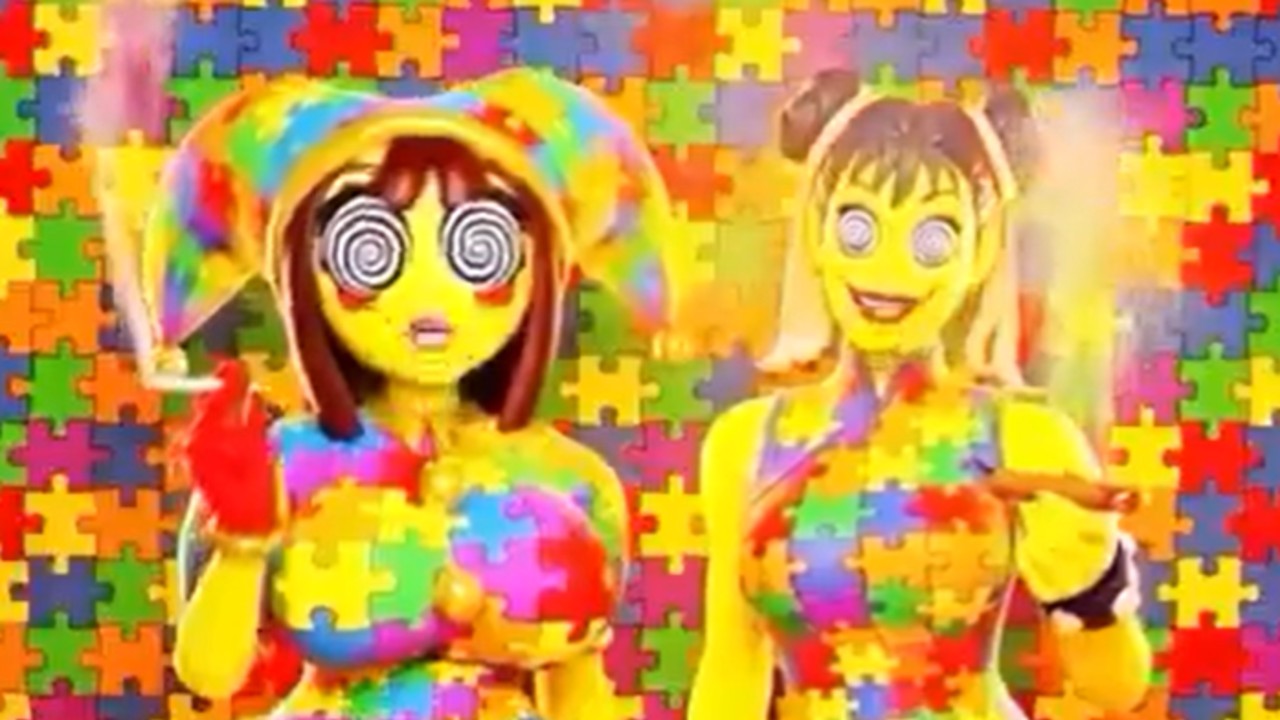
- Workplace Stress: User @YaBoiFancy captioned the video "this how i feel when im smoking weed at work," highlighting the theme of workplace detachment.
- Microtransactions: User @Boigashuffer used the video to describe the feeling of spending real money on mobile game currency, framing the act as a form of "relapse" into poor financial habits.
- Physical Exhaustion: Other iterations included "how it feels getting 3 hours of sleep on a workday" and "how it feels to push hair wash day to tomorrow."
By August 2, 2026, the video had crossed over into TikTok, where user @idkloltbh8 posted a meta-commentary on the video’s spread. The TikTok post, which joked that the video’s arrival on the platform would "destroy the Earth," gained 500,000 views in 24 hours, signaling the content’s total saturation of the social media landscape.
Technical Analysis of AI "Slop"
The Pomni and Chun-Li Relapse Hypnosis AI Video is a prime example of what internet critics have termed "AI slop." This term refers to high-volume, low-effort AI-generated content that often borders on the surreal or the grotesque. These videos are typically produced using advanced generative video models available in 2026, which allow users to input character prompts and specific actions (like "smoking" or "hypnotic eyes") to generate uncanny, dream-like footage.
The "slop" aesthetic is characterized by slight anatomical inconsistencies, fluid-like movement, and a lack of traditional narrative logic. In this case, the AI’s inability to perfectly render the physics of smoke or the subtle expressions of the characters adds to the "uncanny valley" effect, making the video feel more sinister than a traditionally animated piece might. The accessibility of these tools means that content which previously required a team of animators can now be produced by a single individual in minutes, leading to a flood of increasingly bizarre and boundary-pushing media.
Public Reaction and Ethical Concerns
The reception of the video has been deeply polarized. A significant portion of the audience views the video as "evil" or "gross," citing its explicit encouragement of drug use and the use of "hypnosis" tropes to target vulnerable viewers. Critics argue that the video’s nihilistic message, paired with characters popular among younger audiences (specifically Pomni), represents a dangerous trend in AI content where the goal is to shock or disturb rather than to entertain.
Conversely, a segment of the internet has embraced the video as a form of "post-ironic" humor. For these users, the video’s absurdity is the point. They view the "relapse" narrative as a satirical take on the "doomer" mindset prevalent in the mid-2020s. The ironic usage of the video to describe minor inconveniences—like skipping a hair wash—defangs the original disturbing intent, turning it into a tool for relatability in an increasingly chaotic digital world.
From a journalistic perspective, the video raises questions about platform moderation. Under the leadership and policies of X in 2026, the video was allowed to circulate freely despite its controversial themes. This highlights the ongoing struggle for social media giants to categorize AI-generated content: is it a harmless parody, or does it violate policies against the promotion of self-harm and illegal acts?
Broader Cultural Impact and Implications
The Pomni and Chun-Li Relapse Hypnosis AI Video serves as a harbinger of a new era of digital culture. As AI video generation becomes more sophisticated and more accessible, the barriers between "real" fan content and "AI slop" are blurring. The video’s success demonstrates that there is a massive appetite for content that is weird, unsettling, and highly specific.
Furthermore, the video reflects a growing trend of "digital nihilism." In an era marked by economic uncertainty and climate anxiety, internet humor has shifted toward themes of "giving up" or "rotting." The "relapse" hypnosis video encapsulates this feeling perfectly, providing a visual and auditory representation of the urge to retreat from the world into a haze of digital and chemical stimulation.
As we move further into the late 2020s, it is likely that we will see more examples of AI-generated content that utilizes established IP to explore dark or taboo themes. The Pomni and Chun-Li video is not an isolated incident but rather a milestone in the normalization of the "uncanny" in mainstream social media. Whether viewed as a harmless meme or a disturbing piece of digital detritus, its impact on the cultural zeitgeist of 2026 is undeniable, forcing a re-evaluation of how we consume, share, and regulate the output of artificial intelligence.

