
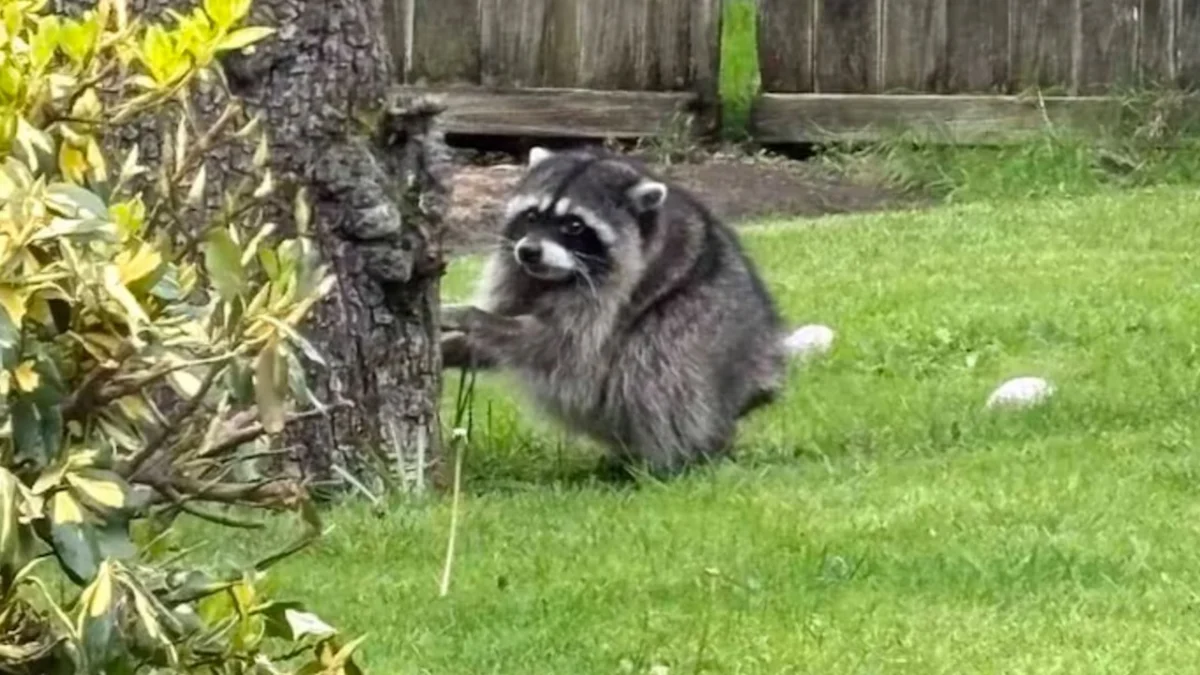
The Ballard neighborhood of Seattle has become the epicenter of an unexpected international digital phenomenon following the emergence of Jimothy, a wild raccoon characterized by a rare biological deformity known as short spine syndrome. This condition, which results in a significantly compressed and rounded physical profile, has propelled the animal into the global spotlight, sparking a wave of media coverage, scientific inquiry, and a localized cultural movement. While urban wildlife sightings are common in the Pacific Northwest, Jimothy’s unique morphology and the subsequent digital documentation of his activities have transformed him into a symbol of both ecological curiosity and internet subculture.
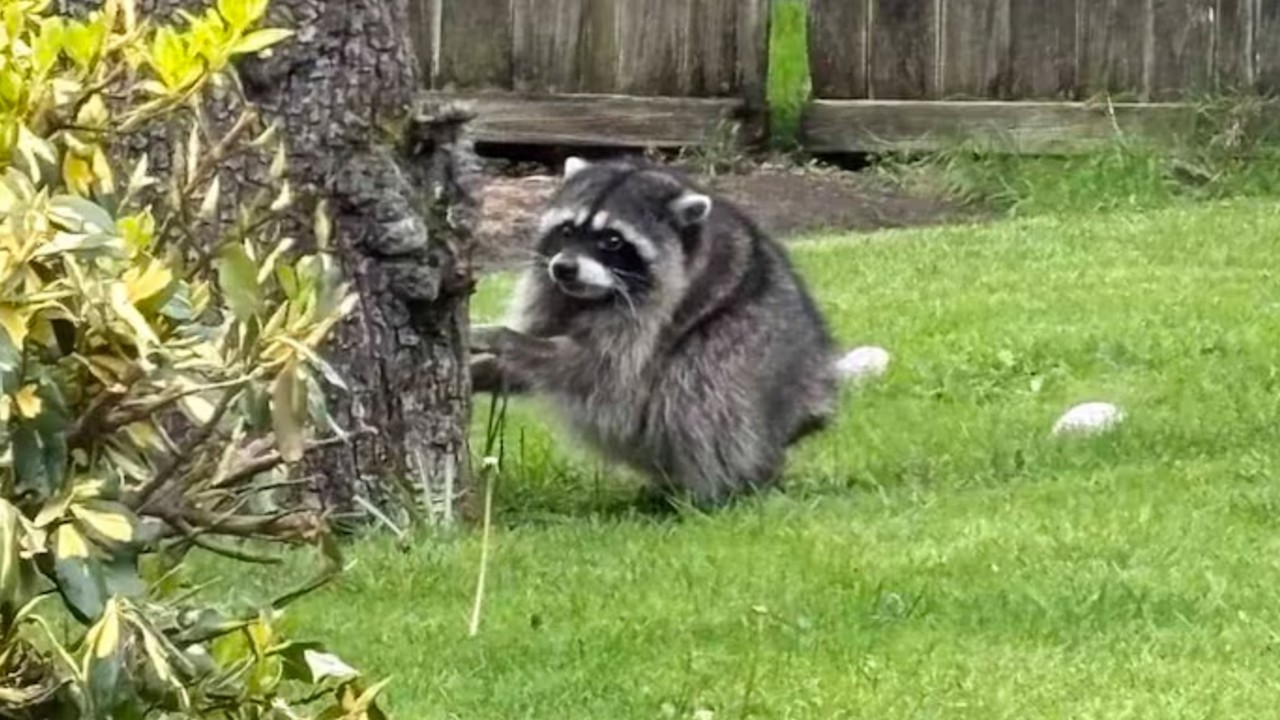
The emergence of Jimothy as a public figure began in mid-July 2026, when local residents started sharing high-definition footage of the raccoon navigating the residential corridors of Ballard. Unlike typical Procyon lotor specimens, which possess a lithe and elongated skeletal structure conducive to climbing and scavenging, Jimothy exhibits a truncated torso that gives him a distinctively spherical appearance. This physical manifestation is the result of short spine syndrome, a rare genetic or developmental abnormality where the vertebrae are fused or fail to develop to their full length.
The Chronology of a Viral Event
The timeline of Jimothy’s rise to prominence is a study in the mechanics of modern digital virality. On July 14, 2026, Instagram user Kiana Hall (c1vrgr1) uploaded a video documenting Jimothy’s presence in her backyard during a 13th-anniversary celebration. The footage, which featured the raccoon moving with a characteristic gait necessitated by his shortened frame, resonated deeply with the platform’s audience. Within six days, the post had garnered over 398,000 likes and thousands of comments, many of which adopted the "Praise Jimothy" slogan that would later define the movement.
By July 17, 2026, the phenomenon had migrated to X (formerly Twitter) and TikTok, where the volume of sightings increased. The X account @dubseatv shared a subsequent video of the raccoon, which rapidly accumulated 25,000 likes, signaling that the interest in Jimothy was not a localized fluke but a burgeoning trend. On the same day, user @sitkapetrodolla provided significant historical context to the raccoon’s life by posting footage of Jimothy as a juvenile. This secondary confirmation suggested that the raccoon had successfully reached adulthood despite the inherent challenges of his condition, further endearing him to a public concerned with animal resilience.
The cultural saturation of Jimothy reached a peak when prominent digital creators began contributing to the narrative. Matthew Inman, the Seattle-based creator of the popular webcomic "The Oatmeal," published a "police sketch" of Jimothy on July 17. The illustration, which emphasized the raccoon’s compact stature, received over 20,000 likes and cemented Jimothy’s status as a local icon. Two days later, on July 19, the phenomenon crossed into the realm of abstract meme culture when user @greg16676935420 compared a truncated commercial truck to the raccoon, a post that generated 21,000 likes and highlighted the "everything reminds me of him" trope prevalent in internet communities.
Scientific Analysis of Short Spine Syndrome
Beyond the digital enthusiasm, Jimothy’s presence offers a rare opportunity for public education regarding short spine syndrome. This condition is an extremely rare musculoskeletal deformity observed in various mammalian species, most notably in domestic dogs. The syndrome is characterized by the severe shortening of the vertebral column due to the compression and fusion of the vertebrae. While the head and limbs typically develop to normal proportions, the lack of a traditional neck and the compression of the thoracic and lumbar regions result in a "hunchback" appearance.
Veterinary experts and researchers, including those associated with the UC Davis School of Veterinary Medicine, have noted that while the condition is striking, it is not inherently a death sentence for the animal. Research into a litter of puppies with similar deformities helped scientists identify the specific genetic mutations responsible for the syndrome. In the case of a wild animal like Jimothy, the primary concerns are mobility and predator evasion. The shortened spine can limit the animal’s ability to turn its head or climb with the agility standard for its species. However, Jimothy’s survival into adulthood in an urban environment like Ballard suggests a high degree of adaptation, likely aided by the abundance of food sources in residential areas.
The condition can lead to secondary health issues over time, such as respiratory strain or joint pain, as the internal organs are forced into a smaller-than-average body cavity. Despite these risks, the documentation of Jimothy’s active lifestyle—climbing fences and navigating gardens—provides valuable anecdotal data on the hardiness of urban raccoons living with significant physical impairments.
The Urban Wildlife Context of Ballard
The neighborhood of Ballard, located in the northwestern part of Seattle, provides a unique backdrop for Jimothy’s story. Known for its mix of maritime history and rapid urban development, Ballard maintains a robust population of urban wildlife. The interaction between humans and raccoons in this area is a long-standing tradition, though Jimothy has altered the nature of this relationship.
Urban ecologists suggest that the visibility of Jimothy is a testament to the "synanthropic" nature of raccoons—species that benefit from living in close proximity to humans. The "Jimothy Effect" has led to increased awareness of urban biodiversity, but it also raises questions regarding wildlife management. Local authorities and wildlife rehabilitators have urged the public to observe Jimothy from a distance, emphasizing that despite his viral fame and "cute" appearance, he remains a wild animal. Feeding Jimothy or attempting to approach him could lead to habituation, which often results in negative outcomes for wild animals when they lose their natural fear of humans.
Cultural Impact and the "Cuteness" Factor
The psychological appeal of Jimothy can be attributed to the "baby schema" or kindchenschema, a set of physical features (large head, round body, short limbs) that triggers an evolutionary caretaking response in humans. Jimothy’s short spine syndrome inadvertently maximizes these features, making him an object of intense public affection. This has manifested in a wide array of fan art, from digital illustrations to physical merchandise produced by independent artists.
On TikTok, the "Jimothy" hashtag has become a repository for user-generated content, ranging from "day in the life" edits to educational videos explaining his condition. Users like @opinionatedhag and @fosterpetsofsac have utilized the raccoon’s fame to discuss broader issues of animal disability and the importance of fostering pets with special needs. This shift from mere entertainment to advocacy demonstrates the power of viral wildlife to influence public sentiment toward conservation and animal welfare.
Even the Seattle Mariners, the city’s Major League Baseball team, were drawn into the orbit of the phenomenon. TikTok creators documented "Jimothy’s Mariners debut," using the raccoon as a mascot-like figure to represent the spirit of the city. This level of integration into the local sports and social culture is rare for a wild animal and underscores the unique grip Jimothy has on the Seattle zeitgeist.
Broader Implications and Ethical Considerations
The Jimothy phenomenon serves as a case study for the intersection of wildlife biology and digital media. While the attention has brought joy to millions and highlighted a rare medical condition, it also poses ethical challenges. The "meme-ification" of a disabled animal can sometimes border on voyeurism, and there is a fine line between celebrating an animal’s resilience and treating a living creature as a novelty.
Furthermore, the surge in sightings and the desire for social media content can lead to increased human-wildlife conflict. If dozens of people descend upon a specific Ballard alleyway to photograph Jimothy, the resulting stress could negatively impact his health and foraging patterns. Wildlife experts emphasize that the best way to "praise Jimothy" is to ensure he can continue his life in Ballard without human interference.
In conclusion, Jimothy the raccoon is more than just a viral curiosity; he is a biological marvel that has bridged the gap between scientific rarity and popular culture. His journey from a backyard sighting in Seattle to a global internet icon reflects the modern world’s fascination with the unusual and the resilient. As Jimothy continues to navigate the gardens and rooftops of Ballard, he remains a reminder of the diverse and often hidden complexities of the natural world that exists just outside the doorsteps of one of America’s most bustling cities. The legacy of Jimothy will likely endure in the archives of internet history and in the ongoing scientific study of genetic anomalies in urban wildlife.

