
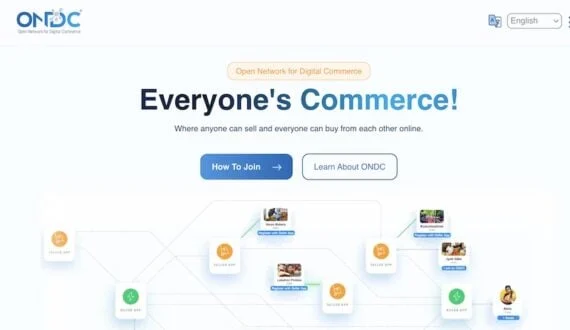
India’s burgeoning e-commerce sector is poised for a seismic shift with the introduction and rapid expansion of the Open Network for Digital Commerce (ONDC). This ambitious government-backed initiative is designed to democratize online retail, empowering millions of small, independent merchants, often referred to as "kiranas," while simultaneously offering a new, cost-effective avenue for foreign brands to penetrate the vast Indian market. The ONDC represents a fundamental departure from traditional, closed e-commerce marketplaces, fostering an open ecosystem that prioritizes accessibility, affordability, and seller autonomy.
The sheer scale of India’s consumer base makes its e-commerce potential immense. With a population now exceeding China’s, India boasts a youthful demographic, with half of its citizens under the age of 25. This digitally native generation, coupled with an astounding 840 million smartphone users, forms a fertile ground for online commerce. Projections indicate that the country is on the cusp of an e-commerce boom, with market size expected to reach hundreds of billions of dollars in the coming years. However, this growth trajectory is accompanied by a significant challenge for policymakers: balancing the imperative of digital transformation with the need to safeguard the livelihoods of the millions of small, physical "mom-and-pop" stores that currently drive an estimated 75% of national consumer goods sales.
The Indian government has strategically deployed two key initiatives to navigate this complex landscape. The first, the Unified Payments Interface (UPI), has already revolutionized digital transactions in India. This government-backed, peer-to-peer payment infrastructure has achieved widespread adoption, facilitating seamless and secure online payments for a vast segment of the population. Concurrently, to address the concerns of local businesses, the government has implemented regulations that, while protecting domestic interests, have historically limited direct access for foreign sellers.
The ONDC, launched in April 2021, emerges as the second, and perhaps more transformative, governmental intervention. Its core objective is to provide a digital gateway for kirana merchants and other small and medium-sized enterprises (SMBs) to establish an online presence and participate in e-commerce without being confined to the restrictive terms of dominant marketplaces. The ONDC is not a marketplace itself, but rather an open-source framework that connects various e-commerce entities—including buyer applications, seller applications, payment gateways, and logistics providers—through standardized protocols and open rules. This decentralized approach aims to foster a more competitive and equitable digital commerce environment.
The Genesis and Architecture of ONDC
The conceptualization of the ONDC can be traced back to a growing awareness of the market dominance wielded by a few large e-commerce platforms. These platforms, while facilitating online sales, often imposed high commission fees, dictated terms of service, and limited sellers’ control over their brand presence and customer relationships. The government recognized the need for an alternative that would empower local businesses and promote a more inclusive digital economy.
The ONDC operates on a network model, distinct from the typical buyer-seller model of centralized marketplaces. In this open network, different applications can interoperate. For instance, a consumer using a buyer app like Paytm or Magicpin can browse and purchase products listed by a seller on a seller app like Mystore or CostBo, even if these apps are not directly integrated. This interoperability is facilitated by open standards and protocols, ensuring that data flows seamlessly and transparently across the network.
The framework comprises several key components:
- Seller Applications: These platforms enable merchants to list their products, manage inventory, process orders, and handle logistics. Popular examples include Mystore, CostBo, and GoFrugal, each offering a suite of tools tailored to the needs of small businesses.
- Buyer Applications: These are the consumer-facing applications through which users can discover, search, and purchase products. Major players like Paytm, Bajaj Finserv, and Magicpin have integrated with the ONDC network, providing their vast user bases with access to a wider range of goods.
- Payment Gateways: Integrated payment solutions ensure secure and efficient transaction processing.
- Logistics Providers: A network of logistics partners facilitates the delivery of goods, connecting sellers with customers across the country.
Key Advantages and Adoption Trends
The ONDC offers several compelling advantages that are driving its adoption:
- Reduced Selling Fees: Perhaps one of the most significant draws for merchants is the drastically lower commission structure. While traditional marketplaces can charge fees ranging from 18% to 40%, ONDC fees typically fall between 3% and 10%. This substantial saving directly impacts the profitability of small businesses.
- Seller Autonomy and Control: Unlike closed marketplaces where platforms dictate terms, ONDC empowers sellers to manage their online presence, control their product listings, and maintain direct relationships with their customers. The transparent algorithm and non-discriminatory sorting ensure fair visibility for all participating sellers.
- Portable Ratings and Reputation: Customer feedback and ratings are portable across the network, allowing sellers to build a consistent reputation regardless of the buyer app used.
- Interoperability and Wider Reach: Sellers registered on one platform can instantly be discovered and accessed by buyers on numerous other integrated applications. This expands their reach far beyond what would be possible on a single marketplace.
While the ONDC has gained considerable traction since its inception, its adoption rate, though growing, has not yet reached the ubiquitous levels of UPI. However, its impact is steadily increasing. Initially envisioned as a platform for SMBs, the ONDC has also attracted local brands seeking to diversify their distribution channels without replacing their existing marketplace strategies. Furthermore, foreign companies that adhere to India’s regulatory framework can also access the ONDC seller app ecosystem, opening up new avenues for market entry and expansion.
Diverse Categories and Global Brand Participation
The ONDC network is designed to be inclusive, encompassing a wide array of product and service categories. This includes:
- Retail: Covering everything from groceries and home goods to fashion and electronics.
- Food Delivery: Enabling restaurants to connect with consumers through various delivery platforms.
- Hospitality: Facilitating bookings for hotels and other accommodation providers.
Currently, categories with higher order frequency, such as grocery, food delivery, and home and kitchen items, are experiencing faster scaling on the ONDC. However, fashion, pharmaceuticals, and hospitality are also steadily gaining momentum.
The participation of global brands on the ONDC is a testament to its growing significance. Companies such as Red Bull, Unilever, Nestle, PepsiCo, Procter & Gamble, L’Oréal, and Johnson & Johnson are leveraging the ONDC to reach Indian consumers. Notably, many of these global food brands, already active on quick commerce platforms like Blinkit, Swiggy Instamart, and Zepto, can access the ONDC network at minimal additional cost, further streamlining their distribution.
For foreign brands new to the Indian market, understanding the regulatory landscape is paramount. The ONDC offers a valuable alternative to established selling options such as traditional marketplaces, relying on distributors, establishing direct-to-consumer (D2C) websites, or engaging in cross-border e-commerce. The ONDC provides a more integrated and potentially cost-effective entry point, particularly for those seeking to serve the vast domestic market efficiently.
Broader Impact and Future Implications
The ONDC initiative has profound implications for the future of e-commerce in India and potentially beyond.
Empowering the Informal Economy
The most significant impact is the potential to onboard millions of kirana stores and small businesses into the digital economy. By providing them with accessible and affordable online tools, the ONDC can help these businesses compete with larger players, increase their sales, and improve their overall economic standing. This is crucial for maintaining the fabric of local commerce and ensuring inclusive growth.
Fostering Competition and Innovation
By breaking down the barriers to entry and reducing reliance on dominant marketplaces, the ONDC is fostering a more competitive e-commerce landscape. This increased competition is expected to drive innovation in service delivery, pricing, and customer experience across the entire ecosystem. The open nature of the network encourages the development of new applications and services, benefiting both businesses and consumers.
A Model for Developing Economies
The ONDC’s success in India could serve as a blueprint for other developing economies grappling with similar challenges of digital inclusion and market concentration in e-commerce. The focus on open standards, interoperability, and empowering small businesses offers a sustainable model for fostering digital commerce growth that benefits a wider segment of the population.
Regulatory Evolution and Adaptation
The Indian government’s approach, exemplified by UPI and ONDC, highlights a proactive strategy to shape the digital economy. By intervening with carefully designed initiatives, policymakers are not only facilitating growth but also ensuring that this growth is inclusive and serves national economic objectives. This regulatory evolution is crucial for navigating the complexities of rapid technological advancement.
Challenges and the Road Ahead
Despite its promising trajectory, the ONDC faces certain challenges. Ensuring consistent quality of service across a diverse network of providers, educating a vast number of small business owners about digital tools, and maintaining robust cybersecurity measures are ongoing priorities. The network effect, while powerful, requires continuous effort to expand both the buyer and seller sides.
However, the momentum behind ONDC is undeniable. The network’s ability to connect diverse players, reduce costs for merchants, and offer a more equitable playing field positions it as a transformative force in India’s e-commerce narrative. As more businesses and consumers embrace this open ecosystem, the ONDC is set to redefine how commerce is conducted in India, ushering in an era of digital empowerment and unprecedented market access. The initiative’s success will be a critical factor in realizing India’s full potential as a global e-commerce powerhouse, ensuring that its vast digital future is built on a foundation of inclusivity and opportunity for all.

