
India, now the world’s most populous nation, presents a tantalizing prospect for international brands seeking growth. Despite this demographic might, its e-commerce sales remain nascent when compared to established giants like China and the United States, signaling immense untapped potential. As previously explored, foreign companies face a complex regulatory environment designed to protect domestic businesses, necessitating strategic entry through avenues such as operating marketplaces, partnering with local distributors, engaging in cross-border transactions, or selling company-owned products directly to consumers. However, navigating legal frameworks is only one piece of the puzzle. The true challenge lies in understanding and catering to the nuanced demands and competitive dynamics of the Indian market, where a misstep in product offering or pricing can lead to an unwelcome reception. This article delves into the success stories of four prominent Indian brands – Blue Tokai, Minimalist, Snitch, and Mokobara – to illuminate the critical elements of product, pricing, and distribution that resonate with the country’s burgeoning middle class, particularly Gen Z and Millennials, who together constitute approximately half of its 1.46 billion population.
The Shifting Tides of Consumer Demand in India
The Indian e-commerce market, while still in its developmental stages, is poised for exponential growth. Projections indicate a significant upward trajectory, with market size expected to reach hundreds of billions of dollars in the coming years. This expansion is fueled by increasing internet penetration, a rapidly growing smartphone user base, and a demographic dividend characterized by a large, young, and increasingly aspirational population. However, this growth is not uniform, and consumer preferences are rapidly evolving, influenced by global trends and a growing appreciation for quality, value, and authenticity. Foreign brands entering this dynamic market must move beyond assumptions and deeply understand the local context, a lesson underscored by the achievements of domestic players who have successfully carved out niches by addressing specific consumer needs and aspirations.

Blue Tokai: Brewing a Coffee Culture in a Tea Nation
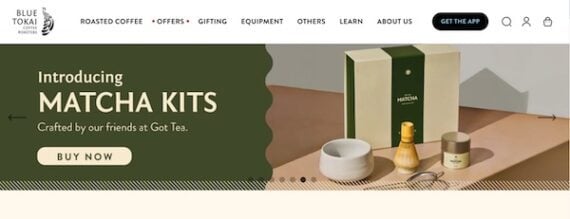
India has historically been a land steeped in tea culture, with coffee consumption traditionally confined to specific urban pockets. Against this backdrop, Blue Tokai, a 13-year-old coffee brand, has achieved what many international giants, including Starbucks, have struggled to replicate: establishing a robust chain of 240 stores by appealing to a price-conscious yet quality-seeking urban demographic. The brand’s strategy hinges on offering a premium coffee experience at a more accessible price point, reportedly 25% lower than many competitors.
Blue Tokai distinguishes itself by emphasizing transparency and education. Its outlets prominently display detailed information about the origin of its beans, the roasting process, and the nuanced taste profiles of its offerings. This focus on the craft and provenance of coffee has resonated deeply with consumers, fostering a sense of engagement and appreciation. This approach has not only cultivated a loyal customer base but has also contributed to a broader cultural shift, influencing the emergence of other coffee brands like Third Wave Coffee, Sleepy Owl, and Rage Coffee, all of whom have adopted similar strategies to capture market share. The success of Blue Tokai demonstrates that even in a market dominated by a traditional beverage, innovation in product presentation, pricing strategy, and a commitment to consumer education can create significant demand for new categories. The brand’s ability to scale rapidly while maintaining its core values of quality and accessibility serves as a powerful case study for foreign entrants looking to introduce or expand their beverage offerings.
Minimalist: The Rise of Transparent Beauty and Personal Care
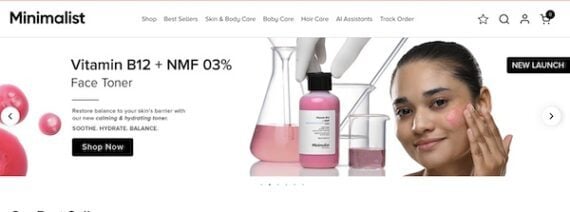
Launched in 2020, Minimalist has rapidly ascended to prominence by capturing the attention of younger Indian consumers with its commitment to transparent, high-quality beauty and personal care products. The company’s ethos is built on a foundation of honesty and education. Ingredients are clearly listed on packaging, and shoppers are actively informed about the purpose and benefits of each component. This straightforward approach, coupled with minimalist packaging and unpretentious advertising, has cultivated a dedicated following among discerning consumers who value substance over hype.
In an industry often plagued by high customer acquisition costs, excessive inventory, and aggressive discounting, Minimalist has charted a different course. By manufacturing in-house, adopting a direct-to-consumer (D2C) sales model, maintaining a focused product portfolio, and pricing its goods competitively below premium alternatives, the company has achieved remarkable financial efficiency and customer loyalty. This strategic acumen did not go unnoticed. In 2025, consumer goods titan Hindustan Unilever acquired a 90% stake in Minimalist for a reported $350 million, a testament to the brand’s disruptive impact and significant market potential. The Minimalist story highlights the growing consumer demand for ethical sourcing, ingredient transparency, and value for money in the beauty and personal care sector, an area where foreign brands can leverage their global expertise while adapting to local preferences for natural ingredients and efficacy.
Snitch: Fast Fashion with an AI-Driven Edge
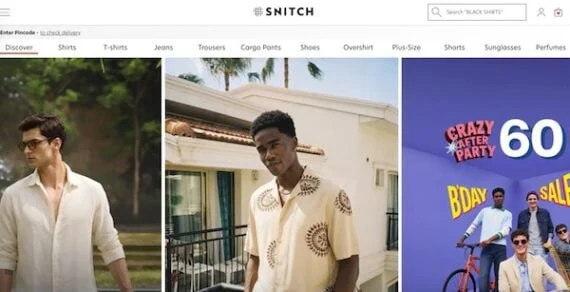
Snitch, a men’s fast-fashion brand, exemplifies how an agile supply chain and a keen understanding of digital trends can drive success in the Indian apparel market. Initially established in 2019 as a business-to-business (B2B) supplier to brick-and-mortar stores, Snitch strategically pivoted to an online D2C model in 2020, a move that now accounts for 90% of its total revenue. The brand has effectively adapted Zara’s global fast-fashion blueprint to the Indian context, focusing on rapidly identifying and translating immediate fashion trends into products for India’s Gen Z and Millennial demographic.
A cornerstone of Snitch’s operational efficiency is its remarkably short design-to-shelf cycle, typically less than 25 days. The company launches an average of 10 new styles daily, often in small production runs of just a few dozen units per stock-keeping unit (SKU). This lean manufacturing approach minimizes the risk of unsold inventory. Furthermore, Snitch leverages artificial intelligence (AI) to meticulously track user behavior across social media platforms. Positive sentiment towards new product introductions prompts rapid scaling of production, while negative feedback leads to swift discontinuation. This data-driven approach to trend forecasting and inventory management allows Snitch to remain highly responsive to consumer demand, a critical advantage in the fast-paced fashion industry. For foreign apparel brands, Snitch’s model underscores the importance of localized trend analysis, efficient supply chain management, and the strategic use of technology to cater to the dynamic fashion preferences of young Indian consumers.
Mokobara: Redefining Luggage and Accessories for the Modern Traveler
Mokobara is actively challenging the established dominance of legacy brands like VIP, Samsonite, and Safari in India’s luggage and accessories market. Since its inception in 2020, the brand has focused on offering stylish, high-quality travel bags at accessible price points, effectively filling a market gap between budget, uninspired options and premium, expensive alternatives. This strategic positioning has allowed Mokobara to resonate with a growing segment of modern travelers who prioritize both aesthetic appeal and durability.
Initially operating as a D2C seller through its branded website, Mokobara has since expanded its reach to include sales via online marketplaces and its own physical stores. The company has also embraced the quick commerce revolution, offering 30-minute delivery for certain products, catering to the increasing demand for instant gratification among Indian consumers. Mokobara’s success is attributed to its focus on contemporary design and quality materials, meeting the needs of travelers who seek functional yet fashionable accessories. The brand’s revenue has reportedly seen a remarkable 20-fold increase since 2022, indicating a strong product-market fit and effective execution of its growth strategy. This trajectory suggests that even in seemingly saturated categories, there is ample room for innovation and disruption by understanding and addressing evolving consumer tastes and service expectations, a valuable lesson for foreign players in the travel goods and accessories sector.
Broader Implications for the Indian E-commerce Ecosystem
The success of these homegrown brands offers profound insights for foreign companies looking to establish a foothold in India’s e-commerce landscape. Firstly, it emphasizes the critical need for localized product development and marketing strategies. Generic global offerings are unlikely to suffice; brands must invest in understanding the specific needs, cultural nuances, and aspirational desires of the Indian consumer. Secondly, pricing remains a pivotal factor. While quality is increasingly valued, affordability and value for money are paramount for a vast segment of the population. Brands that can strike the right balance between premium perception and accessible pricing are likely to gain traction.
Thirdly, the rise of D2C models and the increasing importance of efficient supply chains, as demonstrated by Snitch and Minimalist, highlight the need for agility and direct consumer engagement. Brands that can bypass traditional distribution layers and build direct relationships with their customers stand to gain a competitive edge. Finally, the adoption of technology, from AI-driven trend analysis to quick commerce delivery, is no longer optional but a necessity for thriving in India’s rapidly evolving digital marketplace. Foreign brands that are willing to adapt, innovate, and invest in understanding the intricacies of the Indian consumer will find themselves well-positioned to capitalize on the country’s immense e-commerce growth potential. The journeys of Blue Tokai, Minimalist, Snitch, and Mokobara are not merely success stories; they are strategic roadmaps for navigating the exciting, yet complex, future of retail in India.

