
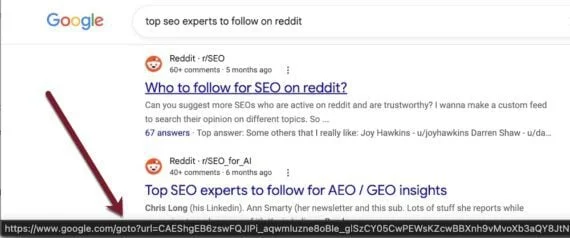
Google is implementing a significant change to its search results pages (SERPs) by replacing direct URLs with "google.com/goto" redirects. This strategic move aims to curb the persistent issue of bot-initiated search sessions, which have been increasingly exacerbated by automated agents from rank tracking tools and generative artificial intelligence (AI) platforms. The search giant has been testing these redirects since July and intends to roll them out to most logged-out users within the next month, signaling a determined effort to regain control over its search ecosystem and the data it generates.
The ongoing battle against automated traffic on Google’s platform has been a long-standing challenge. Bots, whether for competitive analysis via rank trackers or for information retrieval by AI models responding to user prompts, generate a substantial volume of queries that can strain resources and potentially skew search result quality. Last year, Google made a notable attempt to mitigate this by disabling the &num=100 URL parameter. This parameter previously allowed users and bots to request 100 organic listings per search results page, effectively forcing bots to crawl more pages and consume greater computational resources. However, this measure proved insufficient against the sophisticated and ever-evolving nature of automated agents.
The introduction of the /goto redirects represents a more direct and potentially more impactful intervention. Instead of displaying the actual destination URL of a search result, users (and bots) will now encounter a google.com/goto link. This intermediary step requires an additional click to reach the final webpage, a process that is seamless for human users but presents a significant hurdle for automated systems designed to quickly scrape and process information directly. This change is expected to have a multifaceted impact on how search data is accessed and interpreted, particularly for those relying on automated tools for analysis.
Chronology of Google’s Anti-Bot Measures
Google’s sustained efforts to address bot traffic can be traced through several key developments:
- Ongoing Struggle: For years, Google has grappled with the increasing volume of bot traffic from various sources, including SEO tools, market research platforms, and emerging AI applications. This traffic consumes bandwidth, impacts server performance, and can potentially influence search result rankings if not properly managed.
- July 2023 (Testing Phase): Google began testing the
google.com/gotoredirect functionality. This period allowed the company to refine the implementation and assess its effectiveness in deterring automated access. - August 2023 (Initial Impact Observed): Early reports indicated that some rank tracking tools, such as Semrush, were initially flagging these
/gotolinks as direct rankings, suggesting a temporary disruption in their data aggregation. However, many of these tools have since demonstrated an ability to adapt. - Late 2023/Early 2024 (Planned Rollout): Google announced its intention to deploy these redirects to the majority of logged-out users within approximately a month. This signifies a broader implementation across a significant portion of its user base.
- December 2023 – Present (Legal Actions): Google initiated legal action against SerpAPI, a prominent scraper used by AI models like ChatGPT, alleging violations of the Digital Millennium Copyright Act (DMCA). While an initial lawsuit was dismissed, Google subsequently filed an amended version, underscoring its commitment to protecting its data and intellectual property from unauthorized scraping.
Impact on Rank Trackers and SEO Tools
The immediate and most apparent consequence of the /goto redirects is on the accuracy and functionality of rank tracking tools. These platforms are designed to monitor a website’s position in search engine results pages (SERPs) for specific keywords. Historically, they would directly crawl the SERPs, identify the URL of the ranking page, and record its position.

With the introduction of the /goto redirect, rank trackers can no longer directly ascertain the destination URL without performing an additional click. This necessitates a modification in their crawling mechanisms. While some leading tools like Ahrefs and Moz have indicated they anticipated and have already developed solutions to detect and handle Google’s testing of these redirects, others may experience temporary inaccuracies.
"The new redirects require clicks to obtain the destination URLs," explains a recent analysis from Practical Ecommerce. "Reports from ranking tools could show inaccurate results, although Ahrefs and Moz claim to have detected Google’s testing and solved the problem. Semrush, in my experience, seems to have adjusted, too." This suggests a competitive landscape where tools that are agile and can quickly adapt to Google’s changes will maintain their utility, while slower adopters might report significant, albeit temporary, ranking drops for their clients. This period of adjustment could lead to confusion among SEO professionals and their clients if not communicated effectively. The need for these tools to invest in more sophisticated parsing and click-simulation capabilities highlights the escalating arms race between search engines and data aggregators.
Implications for Google Search Console and Data Integrity
Google Search Console (GSC), a critical tool for website owners and marketers to monitor their site’s performance in Google Search, appears to be less directly affected in its core reporting functions. The "Performance" reports within GSC typically rely on Google’s internal data and are less susceptible to the direct impact of SERP display changes.
However, the underlying issue of bot traffic could still indirectly influence GSC data. The article notes, "Search Console ‘Performance’ reports appear unaffected thus far. But the tactics of AI and tracking bots could skew the data." This suggests a potential for subtle distortions over time. Specifically, the article highlights two potential areas of concern:
- Inflated Click-Through Rates (CTR) for Certain Queries: If AI bots are frequently triggering searches and "clicking" on results via these redirects, it could artificially inflate the CTR for certain queries in GSC, even if these clicks do not represent genuine user engagement.
- Altered Impression Data: Similarly, the sheer volume of bot-initiated searches could lead to an increase in impressions for specific keywords, again without a corresponding increase in human interest.
Despite these potential nuances, the advice for users is to remain calm. "Regardless, don’t panic if Search Console’s numbers go temporarily sideways," the article advises. This suggests that while data might fluctuate, GSC’s fundamental reporting mechanisms are robust. The long-term impact will depend on how effectively Google can distinguish between genuine user interactions and automated bot activity within its data collection and reporting.
The Rise of Generative AI and Citation Practices
The proliferation of generative AI platforms has introduced a new layer of complexity to search bot activity. These platforms, such as ChatGPT, Bard (now Gemini), and others, increasingly rely on real-time web searches to provide up-to-date and comprehensive answers to user queries.
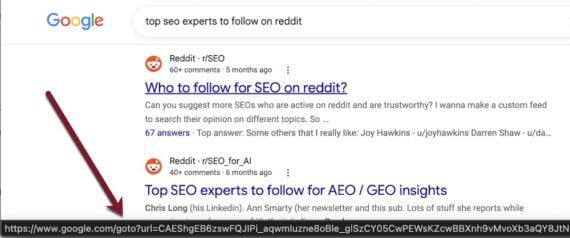
The /goto redirect presents a challenge for these AI models as well. While the article notes that GenAI platforms are beginning to cite the /goto URL, this is likely a temporary adaptation. The long-term goal for AI developers will be to extract the actual destination URL, either by simulating clicks or finding alternative methods. This could lead to a dynamic where AI citation practices evolve alongside Google’s anti-bot measures.
"GenAI platforms continue to search Google but now cite the /goto URL. This will likely change, though third-party citation reports could show declines in the interim," the article suggests. This interim period might see a temporary dip in reported citations for AI-generated content if the tools used for tracking are not yet adept at resolving the /goto links, leading to an undercounting of AI-driven traffic to websites.
Broader Implications: Data Access and Search Engine Evolution
The /goto redirects are part of a larger trend of search engines becoming more guarded about direct access to their search result data. Google’s legal actions against scraping services like SerpAPI underscore a fundamental tension between its business model and the open access principles often desired by developers and researchers.
The lawsuit against SerpAPI, filed in December 2023 and involving allegations of violating the Digital Millennium Copyright Act (DMCA), highlights Google’s aggressive stance against unauthorized data extraction. Although the initial lawsuit was dismissed, Google’s subsequent filing of an amended version indicates its unwavering determination to pursue legal avenues to protect its data. This legal maneuvering, coupled with technical changes like the /goto redirects, signals a strategic shift towards greater control over how its search data is accessed and utilized.
The overarching implication is a future where access to comprehensive, real-time search result data may become more restricted and potentially more costly. For researchers, data analysts, and even SEO professionals who rely on large-scale data scraping, this presents a significant challenge. "Expect less data and fuzzier reports going forward," warns the article, painting a picture of a search landscape where direct, unfettered data access is becoming a relic of the past. This could lead to increased reliance on official analytics tools, paid APIs, and proprietary data solutions, potentially widening the gap between those who can afford access and those who cannot. The ongoing evolution of search technology, driven by AI and the imperative to combat abuse, will undoubtedly continue to shape how we interact with and understand the internet’s vast information repository.

