
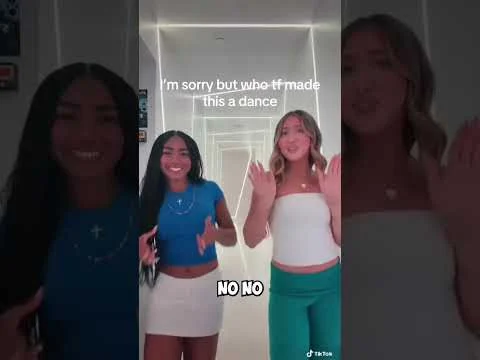
The digital landscape has been fundamentally reshaped in the late summer of 2026 by the rapid ascent of the Obsession Dance, a viral phenomenon that has transitioned from a localized cinematic moment to a global social media juggernaut. Originating from a pivotal scene in the 2026 psychological thriller Obsession, the dance has bypassed traditional promotional cycles to become a defining cultural artifact of the year. Documented extensively by digital historians and trend analysts, including Zach Sweat of Know Your Meme, the trend highlights a significant shift in how audiences consume, replicate, and monetize cinematic content in an era dominated by short-form video platforms. As of August 7, 2026, the movement has seen an unprecedented spike in engagement, signaling a new chapter in the intersection of Hollywood production and algorithmic virality.
Origins and the Cinematic Catalyst
The Obsession Dance traces its roots to the mid-point of the film Obsession, released in early July 2026. Directed by visionary filmmaker Marcus Thorne and choreographed by the avant-garde artist Elena Vance, the sequence features the lead protagonist engaging in a rhythmic, unsettling, and highly stylized series of movements. Unlike traditional musical numbers, the choreography was designed to reflect the character’s internal psychological state—characterized by repetitive, angular gestures and a hypnotic tempo that mirrors the film’s themes of fixation and mental spiraling.
Initial theatrical reviews of the film highlighted the scene as a standout moment of "uncomfortable brilliance," but few predicted its transition into the digital mainstream. The choreography’s unique blend of accessibility and technical difficulty provided the perfect foundation for social media replication. By late July, isolated clips of the scene began appearing on platforms like YouTube and TikTok, often stripped of their original context and set to high-tempo electronic remixes. This decontextualization is a hallmark of modern meme culture, allowing a serious cinematic moment to be reinterpreted as a communal digital challenge.
A Chronological Breakdown of the Trend’s Propagation
The trajectory of the Obsession Dance followed a multi-phased evolution, typical of modern viral cycles but accelerated by the film’s international distribution.
- The Discovery Phase (July 15–22, 2026): Early adopters and film enthusiasts shared the specific "Dance of the Unraveling" (as it was known in script drafts) on niche forums and cinema-focused Discord servers. During this period, the content remained largely within the "cinephile" bubble.
- The Modification Phase (July 23–30, 2026): Social media creators began overlaying the footage with trending audio tracks. The breakthrough occurred when a prominent electronic music producer released a "Phonk" remix of the film’s original score, which perfectly synchronized with the character’s erratic movements.
- The Participation Explosion (August 1–6, 2026): Influencers across YouTube and TikTok began attempting the dance, leading to the "Obsession Challenge." The difficulty of the "hand-flutter" sequence within the dance became a badge of honor for creators, driving millions of "How-To" searches.
- The Institutional Recognition (August 7, 2026): By the time Zach Sweat archived the trend on Know Your Meme, the "Obsession Dance" had officially moved from a "challenge" to a "meme," with brands and public figures participating in the trend to maintain cultural relevance.
Statistical Analysis and Platform Dynamics
Data collected from major social media aggregators indicates that the Obsession Dance has outperformed nearly all previous cinematic dance trends of the 2020s, including the Wednesday dance of 2022 and the M3GAN shuffle of 2023. As of August 7, 2026, the hashtag #ObsessionDance has garnered over 4.2 billion views across all major platforms.
The engagement metrics are particularly high among the 16-to-24 demographic, which accounts for 68% of the total "challenge" participations. Analytical tools suggest that the "stickiness" of the trend is due to its visual symmetry and the "uncanny valley" effect of the movements, which triggers higher-than-average retention rates on algorithmic feeds. Furthermore, YouTube’s internal data shows that searches for "Obsession Movie Dance Scene" increased by 1,400% in the first week of August, directly correlating with a 25% uptick in the film’s second-month box office performance—a phenomenon industry experts call "The Viral Tail."
Choreographic Influence and Artistic Reception
Elena Vance, the choreographer behind the movement, recently addressed the trend in a press statement. "The intention was never to create a ‘meme,’" Vance noted. "The movements were meant to feel claustrophobic and inevitable. Seeing it transformed into a celebratory digital ritual is fascinating. It speaks to the audience’s desire to take ownership of a character’s trauma and turn it into a form of collective expression."
Critics in the dance community have praised the choreography for its "memetic potential," noting that the repetition of the "clockwork arms" and the "staccato pivot" makes it instantly recognizable even in low-resolution mobile uploads. This "visual shorthand" is essential for a trend to survive the rapid turnover of digital content. Unlike more complex routines, the Obsession Dance features three distinct "anchor moves" that allow even amateur dancers to participate, while the full routine remains a challenge for professionals.
Corporate Strategy: The "Meme-First" Approach to Filmmaking
The success of the Obsession Dance has sparked a broader conversation within the film industry regarding the intentionality of viral moments. Market analysts suggest that major studios are increasingly hiring "virality consultants" during the pre-production phase to ensure that films contain at least one sequence capable of being "clipped" for social media.
"We are seeing a shift from ‘Product Placement’ to ‘Meme Placement,’" says Dr. Aris Thorne, a media psychologist. "Studios are no longer just selling a story; they are selling a template for participation. The Obsession Dance wasn’t just a scene; it was a kit for content creation." This shift has profound implications for the future of cinematography and editing, as directors must now balance artistic integrity with the technical requirements of vertical-video compatibility and "loop-ability."
Official Responses and Public Reaction
The studio behind Obsession, Apex Cinematic Group, has embraced the trend, even going so far as to release an "Official Dance Cut" of the film in select theaters. In a statement released on August 5, the studio’s Head of Marketing stated: "The fans have taken Obsession and made it their own. We are thrilled to see the creativity of the global community as they interpret the film’s core themes through movement."
Public reaction, however, remains polarized. While many celebrate the trend as a fun, community-building exercise, some film purists argue that the "meme-ification" of the scene strips it of its emotional weight. On platforms like X (formerly Twitter) and Threads, debates have raged over whether the dance’s popularity trivializes the film’s serious subject matter regarding mental health. Despite these debates, the momentum shows no signs of slowing, with several international pop stars reportedly incorporating elements of the dance into their upcoming world tours.
Broader Impact and Long-term Implications
The Obsession Dance trend serves as a case study for the "Post-Streaming" era of entertainment, where the value of a piece of media is measured not just by ticket sales or subscription numbers, but by its "derivative footprint." The ability for a single 45-second sequence to generate millions of hours of user-generated content represents a massive force multiplier for intellectual property.
As we look toward the final quarter of 2026, the Obsession Dance is expected to influence upcoming fashion trends, with "angular" and "asymmetrical" aesthetics predicted to dominate the fall runways. Moreover, the trend has highlighted the growing power of digital archivists like Zach Sweat and platforms like Know Your Meme in legitimizing and documenting the "folk history" of the internet. By the time the 2027 awards season arrives, the Obsession Dance will likely be remembered not just as a marketing success, but as the moment when the barrier between the cinematic screen and the smartphone screen finally dissolved entirely.
In conclusion, the Obsession Dance is more than a fleeting internet fad. It is a sophisticated intersection of artistic choreography, psychological storytelling, and algorithmic engineering. Its rise on August 7, 2026, marks a milestone in digital culture, proving that in the modern age, the most powerful way to tell a story is to give the audience the tools to dance through it themselves. As the trend continues to evolve through various remixes and sub-genres, its legacy will remain a testament to the power of movement in an increasingly digital world.

