
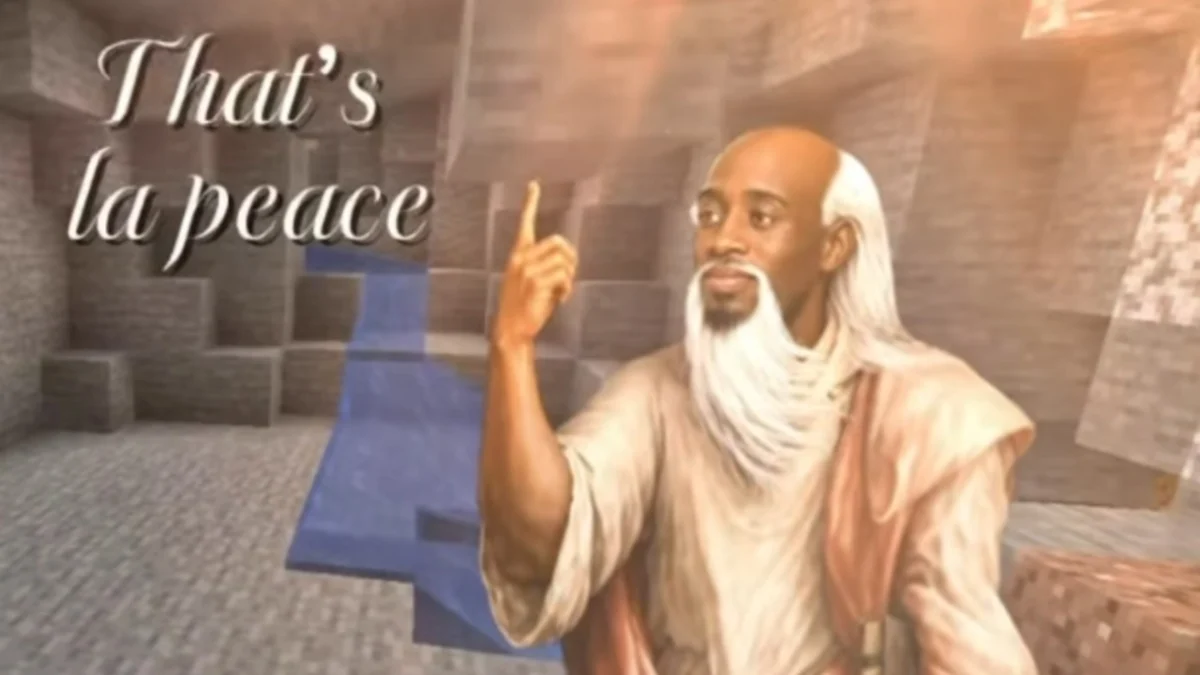
The digital landscape of 2026 has witnessed a peculiar linguistic transformation as a mispronounced mineral from the sandbox game Minecraft transitioned into a global symbol of tranquility and philosophical irony. Known as "La Peace," the meme originated from a high-stakes livestream featuring two of the most influential figures in modern entertainment: Kai Cenat and Darren "IShowSpeed" Watkins Jr. What began as a brief moment of confusion during a "Minecraft Hardcore" marathon has since ballooned into a multi-platform phenomenon, characterized by sophisticated video editing, absurdist humor, and a subversion of the streamers’ traditionally high-energy personas.
The Catalyst: The Minecraft Hardcore Marathon
In mid-August 2026, Kai Cenat and IShowSpeed embarked on a collaborative streaming event that captured the attention of millions of concurrent viewers. The objective was to complete Minecraft in "Hardcore" mode—a setting where a single character death results in the permanent deletion of the game world. Given the volatile and often chaotic chemistry between Cenat and Watkins, the stakes were perceived as exceptionally high by their respective fanbases.
On August 16, 2026, during a deep-cavern exploration segment of the stream, Watkins discovered a vein of blue ore. In the frantic atmosphere of the survival challenge, Watkins mistakenly identified the resource as diamonds, a high-value material essential for game progression. As he began to harvest the blocks with visible excitement, Cenat intervened to correct him. "That’s lapis," Cenat stated, though his pronunciation of "lapis lazuli" was phonetically compressed, sounding distinctly like the French-inflected phrase "La peace."
The confusion was compounded by Watkins’ immediate reaction. Unfamiliar with the mineral or perhaps caught off guard by Cenat’s inflection, Watkins responded, "Is that like some Greek shit?" This brief exchange—lasting less than ten seconds—provided the raw material for what would become one of the most pervasive memes of the third quarter of 2026.
Chronology of Virality: From Stream to Soundbite
The transition from a live broadcast moment to a viral meme occurred with remarkable speed, facilitated by the "clip culture" prevalent on platforms like TikTok and Instagram.
On the same day as the broadcast, August 16, a TikTok creator operating under the handle @boughta published the inaugural "La Peace" edit. This video isolated Cenat’s pronunciation and juxtaposed it with an image of a serene, elderly monk. A red arrow pointed toward Cenat, suggesting a spiritual connection between the streamer’s "peaceful" correction and the monk’s enlightened state. Within five days, the post had amassed over 4.2 million views, establishing the visual and auditory template for subsequent iterations.
By August 19, the meme had evolved beyond simple gameplay clips. A TikTok user named @venqus._ expanded the joke into the realm of wordplay and visual puzzles. They posted a video featuring a Spanish-language crossword puzzle where the word "lapiz" (pencil) was featured. The creator layered the "La Peace" audio over the image, garnering 1.9 million views in 48 hours. This expansion indicated that the meme’s appeal was no longer tethered strictly to Minecraft, but rather to the phonetic aesthetic of Cenat’s voice.
On August 20, the trend reached a saturation point. Creators such as @hirfyy and @idkmxnster released high-production edits that leaned heavily into the "zen" aesthetic. @idkmxnster’s contribution alone secured 4.4 million views in a single day. Simultaneously, the meme migrated to Instagram, where the account chillpostt_ shared an edit that earned 100,000 likes in less than 24 hours, signaling a successful cross-platform transition.
Analysis of the "Peaceful Monk" Archetype
The "La Peace" meme is a study in irony and the subversion of digital identity. Both Kai Cenat and IShowSpeed are renowned for their "loud" content—a style characterized by shouting, high-intensity reactions, and physical comedy. By taking a moment where Cenat speaks in a relatively calm, corrected tone and framing him as a "peaceful old monk" or a "stoic philosopher," the internet has created a humorous counter-narrative to his established brand.
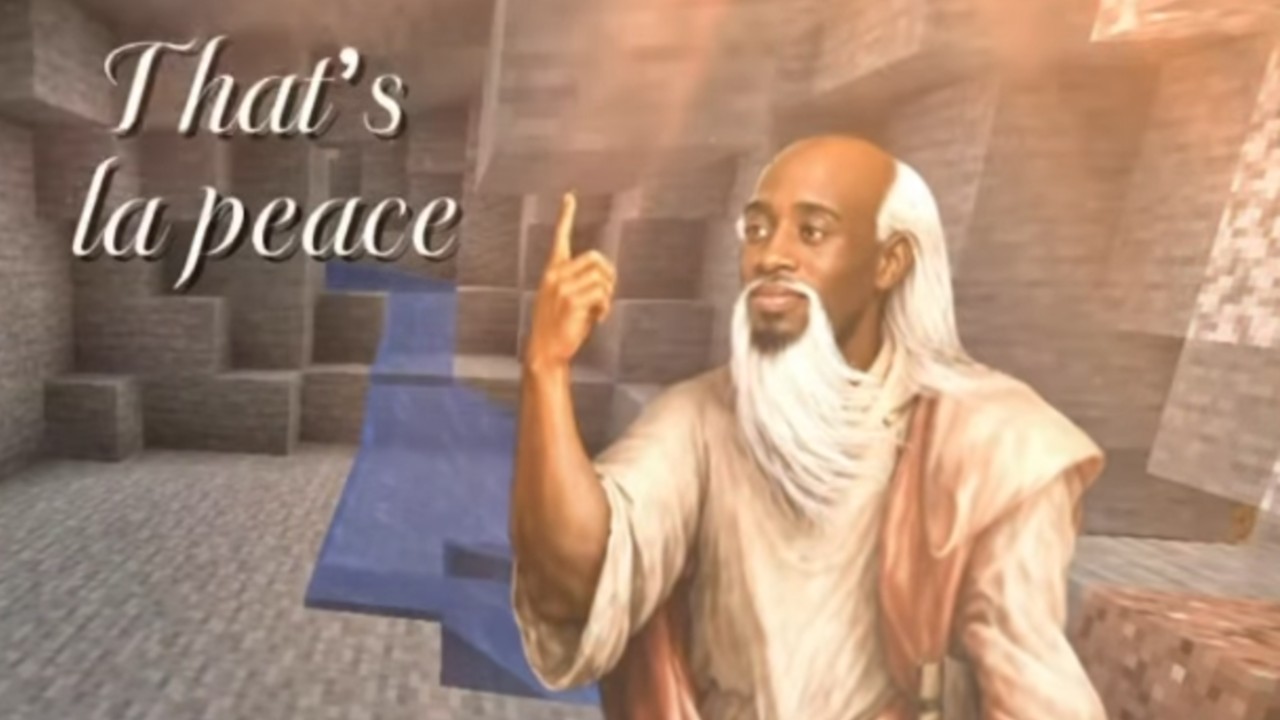
The visual recurring motif—a red arrow pointing to Cenat accompanied by images of waterfalls, ancient temples, or meditating figures—serves as a form of digital hagiography. It treats the streamers not as entertainers, but as accidental sages. This brand of humor, often referred to as "corecore" or "hopecore" in certain internet circles, utilizes sentimental music and "peaceful" imagery to create a sense of mock-profundity.
Furthermore, the linguistic shift from "Lapis" to "La Peace" reflects a broader trend in Gen Z and Gen Alpha slang, where mispronunciations or "slurred" speech from popular influencers are adopted as new vocabulary. Similar to the rise of terms like "Rizz" or "Gyatt," "La Peace" has become a shorthand for moments of unexpected calm or accidental wisdom within the gaming community.
Quantitative Reach and Engagement Data
The scale of the "La Peace" phenomenon can be measured through the engagement metrics of its primary distributors. Based on data collected between August 16 and August 22, 2026:
- TikTok Saturation: The top five "La Peace" edits generated a combined 18.3 million views within the first week of the meme’s inception.
- Sound Adoption: The original audio clip has been used in thousands of secondary videos, ranging from lifestyle vlogs to unrelated gaming clips, indicating that the sound has become a "template" for peaceful transitions.
- Search Interest: Google Trends and TikTok Search data showed a vertical spike in queries for "Kai Cenat La Peace" and "Lapis Lazuli Minecraft meme" starting on August 17, peaking on August 21.
- Demographic Appeal: The meme has seen the highest engagement among users aged 13 to 24, a demographic that closely follows both Cenat and Watkins’ careers.
Broader Impact on Streamer Culture
The "La Peace" incident underscores the immense power of the "always-on" streaming economy. In the current media environment, every second of a multi-day stream is subject to scrutiny and potential immortalization. For Kai Cenat and IShowSpeed, these memes serve as a form of "organic marketing" that maintains their relevance even when they are not actively broadcasting.
Industry analysts suggest that memes like "La Peace" contribute to the "humanization" of digital celebrities. By highlighting small, unscripted moments of linguistic error, the audience feels a closer, more relatable connection to the creators. Additionally, the meme provides a "meta-narrative" for the streamers to interact with. It is highly probable that Cenat and Watkins will reference "La Peace" in future broadcasts, thereby creating a feedback loop that further cements the meme’s place in their community’s lore.
The phenomenon also highlights the ongoing cultural relevance of Minecraft. Despite being over a decade old, the game remains a primary staging ground for viral moments. The contrast between the game’s simple mechanics (like mining for lapis) and the complex social narratives built around it by influencers ensures its continued dominance in the digital space.
Implications for Digital Language and Irony
As "La Peace" continues to circulate, it serves as a reminder of the fluidity of language in the age of social media. The transition from "lapis lazuli"—a semi-precious stone used since antiquity—to "La Peace"—a modern digital joke—demonstrates how quickly historical or technical terms can be re-contextualized.
The meme also reflects a shift toward "wholesome irony." Unlike the cynical or aggressive memes of previous eras, "La Peace" focuses on themes of tranquility, even if those themes are applied sarcastically. This suggests a growing appetite among younger audiences for content that, while still humorous and absurdist, utilizes a visual language of peace and reflection.
In conclusion, "La Peace" is more than a simple mispronunciation; it is a testament to the speed of the 2026 meme cycle and the collaborative power of streamers and their audiences. By transforming a moment of gaming frustration into a symbol of serenity, the internet has once again proven its ability to find meaning—and comedy—in the most unlikely of places. As the "La Peace" edits continue to evolve, they remain a prominent example of how the next generation of entertainers continues to shape the lexicon and aesthetic of the global digital culture.

