
The digital landscape of early 2026 has been marked by the emergence of a highly specific and visually driven health trend known as the Smallville Method, a regimen that blends mid-2000s television nostalgia with the modern "looksmaxxing" subculture. This phenomenon, which gained significant traction on the TikTok platform during the first quarter of the year, involves a combination of dietary "spamming"—the excessive consumption of specific foods—and the passive consumption of media, specifically the superhero drama series Smallville. The primary objective of the method is "debloating," a process intended to reduce subcutaneous water retention to enhance facial bone structure and mimic the physical attributes of actor Tom Welling during his tenure as Clark Kent. As the trend moved from niche internet forums to mainstream social media, it has sparked a broader conversation regarding the intersection of male body image, potassium-heavy diets, and the gamification of physical attractiveness.
Origins and the Cult of Tom Welling
The Smallville Method finds its roots in the "looksmaxxing" community, an online subculture dedicated to the optimization of physical appearance through various means, ranging from basic grooming to rigorous dietary protocols and surgical interventions. Within this community, certain male archetypes are held as the "gold standard" for facial harmony and masculine aesthetics. Tom Welling, who portrayed a young Superman in the television series Smallville (2001–2011), has long been a revered figure in these circles. His "prime" appearance in the early seasons of the show is frequently cited for his robust jawline, high cheekbones, and ideal facial proportions, often quantified by community members using "PSL scores"—a proprietary rating system used to evaluate facial attractiveness.
The specific "method" began to crystallize in early January 2026. While the exact architect of the protocol remains anonymous, the logic follows a established obsession within looksmaxxing: the elimination of "bloat." In this context, bloating refers to the temporary retention of water under the skin, which practitioners believe obscures the underlying bone structure. By utilizing natural diuretics, adherents aim to "ascend" to a higher tier of perceived attractiveness.
Chronology of the Trend: From Niche to Viral
The timeline of the Smallville Method’s viral spread is characterized by a rapid escalation in engagement metrics on TikTok. The earliest documented instance of the trend appeared on January 18, 2026. TikTok user @ruwxyfe posted a video with the caption, "POV: you spammed the smallville method," which featured a dramatic physical transformation. The video, which highlighted a more chiseled facial structure and leaner physique, served as a "proof of concept" for the community. Within two months, the post garnered approximately 2 million views and over 112,000 likes, setting the stage for a wave of imitators.
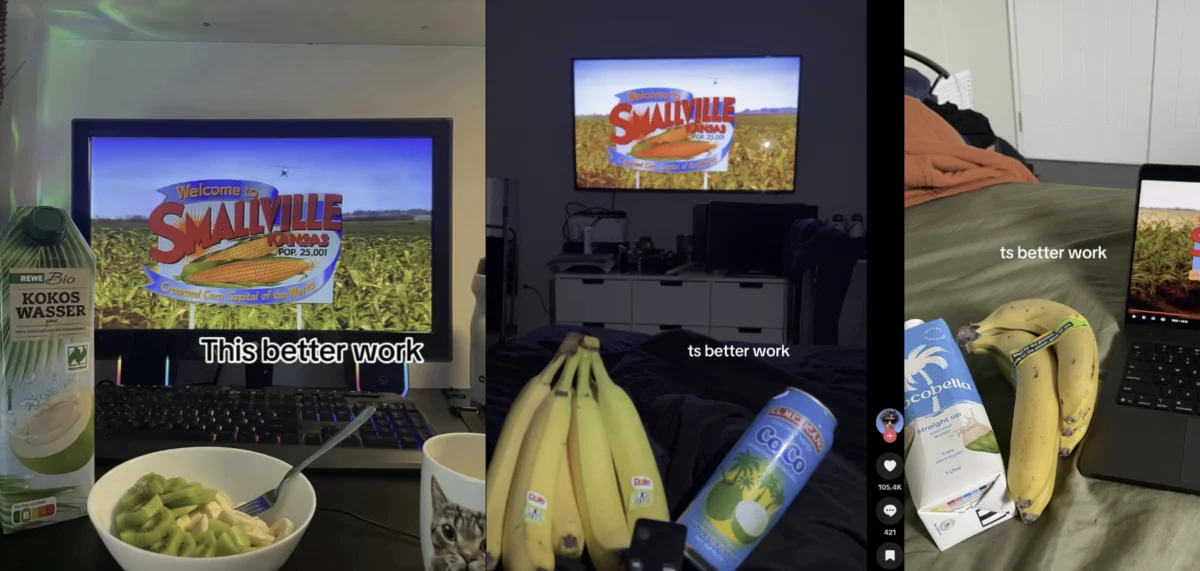
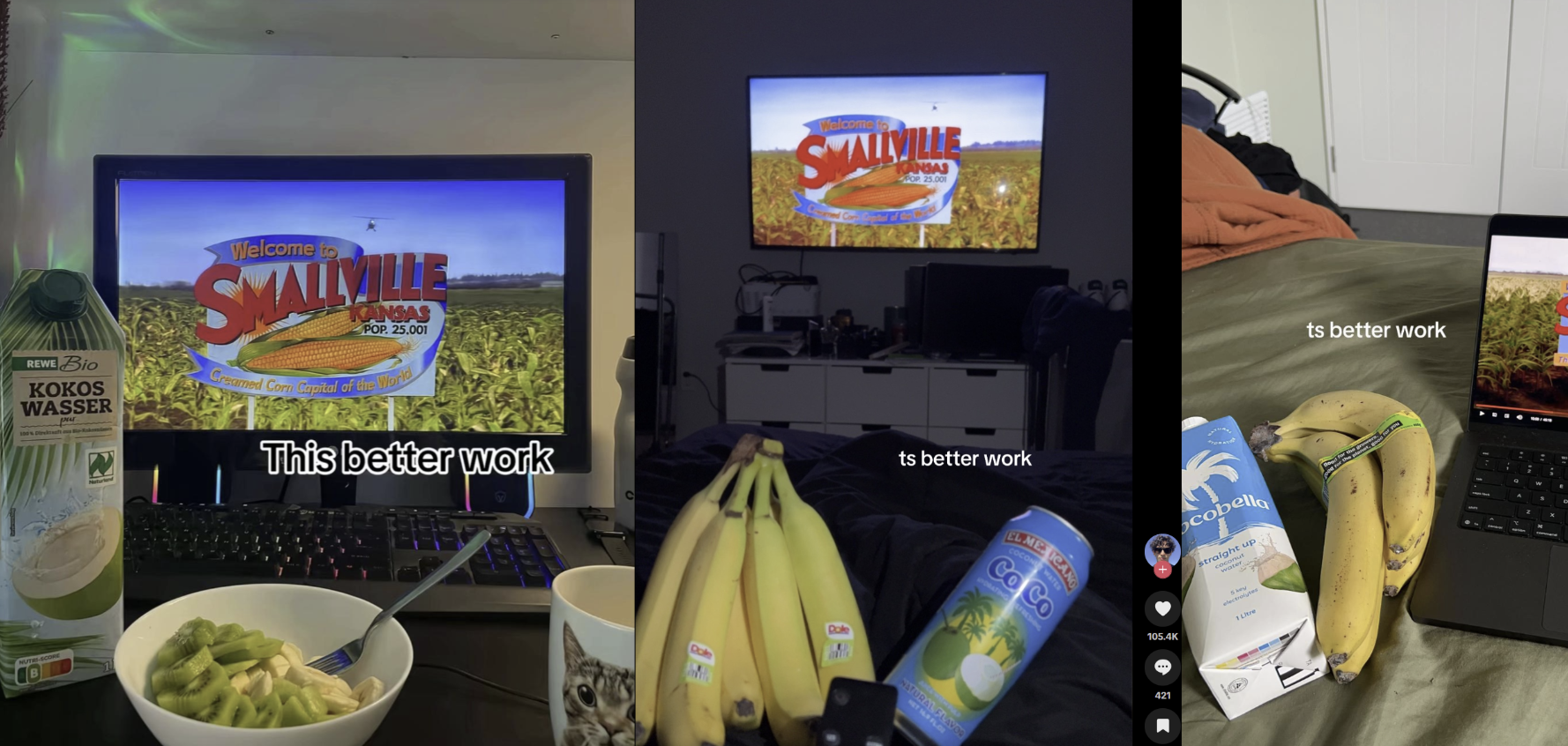
The trend reached a critical mass on January 22, 2026, when user @eruk_nuyen shared a photo-based post that would become the blueprint for the Smallville Method aesthetic. The image displayed a spread of "materials": several cartons of coconut water, kiwis, and bananas, with an iPad in the background playing an episode of Smallville. The caption, "ts better work" (this better work), resonated with a wide audience, resulting in 7.1 million views and nearly a million likes. This specific visual arrangement—the "materials" alongside the media—became the standard template for the trend.
Throughout late January and February 2026, the momentum continued with significant contributions from other creators. On January 27, @chillwithsan posted a transformation video that achieved 2.8 million views, further reinforcing the narrative that the method yielded tangible results. By January 29, user @richminions2 posted a high-definition guide to the necessary "supplies," accumulating 5.6 million views. By March 2026, the Smallville Method had transcended its original subculture, appearing in mainstream "glow-up" tutorials and fitness vlogs across multiple social media platforms.
The Mechanics of the Method: Potassium and Diuresis
At the core of the Smallville Method is the heavy consumption of coconut water and bananas. From a nutritional standpoint, this combination is designed to induce a diuretic effect. Coconut water is exceptionally high in potassium, an electrolyte that helps regulate fluid balance in the body. Potassium works in opposition to sodium; while sodium encourages the body to hold onto water, potassium assists the kidneys in flushing excess sodium and water through urine.
Bananas and kiwis, frequently included in the Smallville Method "spreads," provide additional potassium and fiber. Proponents of the method claim that by "spamming" these items—consuming them in large quantities over a short period—they can rapidly "debloat" the face, making the jawline appear more defined and the eyes more prominent. The inclusion of the television show Smallville serves a dual purpose: it acts as a visual "north star" or inspiration, and it provides a ritualistic element to the diet, grounding the physical effort in a specific aesthetic era of the early 2000s.
Community Lexicon and Gamification
The Smallville Method is inextricably linked to the broader "looksmaxxing" vocabulary. Terms such as "ascending" (improving one’s looks), "debloating" (losing water weight), and "glow-up" (a total physical transformation) are central to the discourse. The trend also frequently references "PSL scores," a metric derived from communities like Lookism and various "incel" forums, which have since been sanitized and adopted by a more mainstream Gen Z and Gen Alpha audience.
Furthermore, the rise of AI-driven facial analysis apps, such as AscendMax, has played a role in the trend’s popularity. Users often post their "before and after" scores from these apps to provide "objective" data that the Smallville Method is effective. This gamification of facial features encourages a obsessive level of detail, where a fraction of a millimeter in perceived "bloat" is treated as a significant aesthetic failure.
Health Implications and Expert Perspectives
While the Smallville Method is largely viewed as a harmless "aesthetic ritual" by its participants, health experts have raised concerns regarding the "spamming" of high-potassium foods. Nutritionists point out that while potassium is an essential mineral, an excessive intake—particularly through concentrated sources like coconut water—can lead to hyperkalemia in individuals with underlying kidney issues. Hyperkalemia is a condition characterized by dangerously high levels of potassium in the blood, which can cause heart palpitations, muscle weakness, and in extreme cases, cardiac arrest.
Medical professionals also warn that "debloating" is a temporary physiological state. The water weight lost through a diuretic diet is typically regained as soon as normal eating and drinking habits resume. Furthermore, psychologists have noted that the hyper-fixation on "bone structure" and "facial bloat" can be a symptom of body dysmorphic disorder (BDD). The pressure to emulate the "genetically elite" features of actors like Tom Welling can create unrealistic expectations for young men, leading to a cycle of restrictive dieting and dissatisfaction.
Cultural Context: Nostalgia as an Aesthetic Filter
The resurgence of Smallville in 2026 is part of a larger cultural trend toward "Y2K" and "Frutiger Aero" aesthetics. The show, which premiered in 2001, represents a period of television history characterized by a specific type of "clean-cut" masculinity that contrasts with the more rugged or diverse beauty standards of the 2010s. For the 2026 audience, Tom Welling’s Clark Kent represents a "classic" look that feels both nostalgic and aspirational.
The Smallville Method utilizes this nostalgia as a marketing tool. By tethering a diet trend to a beloved piece of media, creators make the process of restrictive eating feel like a "challenge" or a "vibe" rather than a chore. This "aestheticization" of health trends is a hallmark of TikTok culture, where the visual presentation of the journey is often as important as the destination.
Broader Impact and Market Trends
The Smallville Method has had a measurable impact on consumer behavior. Retailers reported a localized surge in coconut water sales during the peak of the trend in February 2026. Specifically, brands like Kirkland (Costco) and various organic coconut water labels featured prominently in viral videos saw increased mentions across social media.
Additionally, the trend has revitalized interest in the Smallville franchise. Streaming platforms hosting the series reported a significant uptick in viewership among the 16–24 age demographic during the first quarter of the year. This synergy between "fitness" trends and media consumption suggests a new model for viral marketing, where organic community interests can drive significant traffic to legacy media properties.
Conclusion: The Future of Niche Aesthetic Protocols
The Smallville Method is a testament to the power of niche internet subcultures to influence mainstream behavior. What began as a specific protocol within the "looksmaxxing" community evolved into a global phenomenon by leveraging nostalgia, basic nutritional science, and the viral mechanics of TikTok. While the physical results of the method may be temporary and the health risks should not be ignored, the trend highlights a growing desire among young men to take an active, albeit sometimes extreme, role in the curation of their physical appearance.
As the Smallville Method eventually gives way to the next viral "glow-up" strategy, its legacy will remain in the way it synthesized entertainment and self-improvement. It serves as a case study in how the digital generation navigates the complexities of body image in an era where "perfection" is often just a "debloat" and a filter away. Whether the method truly "works" is perhaps less important to its practitioners than the sense of community and the pursuit of a specific, idealized version of masculinity embodied by the "Man of Steel" himself.

