
Understanding the Mandela Effect in a Corporate Context
The term "Mandela Effect" was coined in 2009 by paranormal researcher Fiona Broome, who discovered that she, along with a significant number of other people, shared a false memory that South African anti-apartheid leader Nelson Mandela had died in prison during the 1980s. In reality, Mandela was released in 1990 and went on to serve as the President of South Africa before passing away in 2013. This phenomenon of collective false memory has since been applied to various cultural touchstones, from the spelling of the "Berenstain Bears" to the dialogue in "Star Wars."
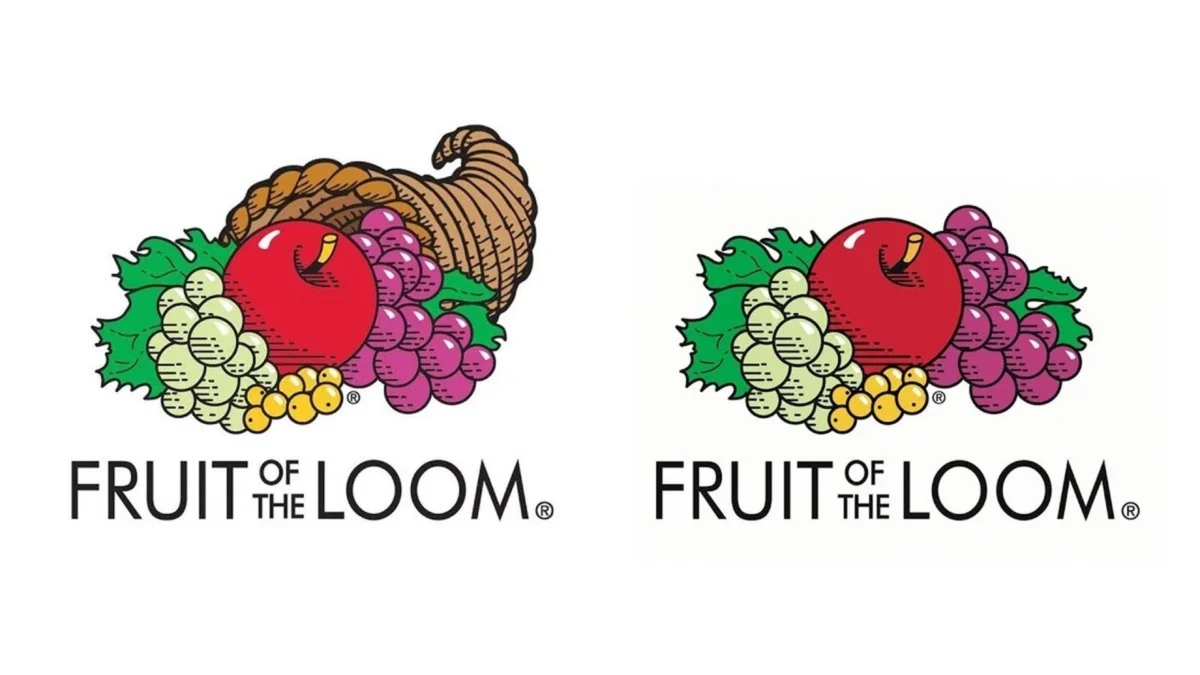
The Fruit of the Loom cornucopia is often considered the "gold standard" of Mandela Effects because of the specificity of the memory. Unlike a simple misspelling, many individuals report learning what a cornucopia was specifically because they asked their parents about the object on their underwear labels. The absence of this object in the official history of the brand creates a profound sense of cognitive dissonance for those who believe they have seen it.
The Evolution of the Fruit of the Loom Logo
To analyze the validity of these claims, one must look at the documented history of the Fruit of the Loom brand. Founded in 1851 by brothers Robert and Benjamin Knight in Rhode Island, the company is one of the oldest trademarks in the United States. The logo has undergone several revisions over the past 170 years, yet official records from the U.S. Patent and Trademark Office (USPTO) show a consistent focus on the fruit itself without the horn of plenty.
In 1893, the logo featured a cluster of fruit including an apple, green grapes, purple grapes, and what appeared to be currants or berries. By 1927, the design was simplified but retained the central fruit theme. Subsequent updates in 1951, 1962, 1978, and 2003 further refined the aesthetic, moving toward more vibrant colors and cleaner lines. In none of these iterations, according to the company’s official archives, was a cornucopia present. The brand’s current stance is unequivocal: the fruit has always stood alone.
Chronology of the Digital Investigation
While the memory of the cornucopia likely existed in the late 20th century, it did not become a centralized topic of global discussion until the rise of social media and internet forums.
2018: The Reddit Catalyst
The modern era of the Fruit of the Loom investigation began in earnest on August 22, 2018. A user identified as "jinglesbobingles" posted on the /r/MandelaEffect subreddit, providing a detailed breakdown of why they believed the logo had been altered or "erased" from history. This post served as a rallying point for thousands of users who shared similar memories. The thread highlighted several pieces of "residue"—a term used by Mandela Effect enthusiasts to describe circumstantial evidence that suggests a different reality once existed.
2019: The "Flute of the Loom" Revelation
In June 2019, the investigation took a significant turn when Redditor JugglingKnives shared correspondence with Reed Chappell, the son of the late artist Ellis Chappell. Ellis Chappell had designed the cover for the 1973 jazz album Flute of the Loom by Frank Wess. The album art is a clear parody of the Fruit of the Loom logo, featuring a flute acting as a cornucopia with various food items spilling out.
Reed Chappell stated that both he and his father specifically remembered the cornucopia in the original Fruit of the Loom logo, asserting that the parody would not have made sense without it. "Why the hell else would I have used a cornucopia?" Ellis Chappell reportedly remarked when questioned about the design inspiration. This testimony is frequently cited by proponents of the Mandela Effect as one of the most persuasive pieces of anecdotal evidence.
2020-2023: Viral Expansion and Media Coverage
The theory reached a broader audience through high-production digital content. In November 2020, the popular YouTuber EmpLemon released a deep-dive video titled "The Great Fruit of the Loom Conspiracy," which garnered millions of views. The video explored the psychological and technical possibilities behind the phenomenon, further cementing the logo’s status as a cultural mystery.

By 2022, the discussion migrated to TikTok. Creators like madelinemorera and lilbroomstick06 produced short-form content that introduced the Mandela Effect to a younger generation. These videos often featured "recreations" of the remembered logo, which many viewers claimed looked "correct," while the actual logo looked "empty" or "wrong."
Supporting Data and Circumstantial Evidence
Beyond anecdotal memories, researchers have pointed to specific documents that complicate the company’s "never existed" narrative. One such document is a 1973 trademark filing (No. 73006081) which describes a logo for "laundry detergent" under the Fruit of the Loom brand. The description in the filing includes the mention of a "design of a cornucopia." However, the trademark was later cancelled, and no physical labels or advertisements featuring this specific detergent logo have been recovered.
Furthermore, the 2006 animated film The Ant Bully features a scene with a parody brand called "Fruit of the Loin." The logo shown on the character’s underwear clearly includes a cornucopia. Skeptics argue this is simply a common misconception being repeated by animators, while believers argue it is a cultural "footprint" of a logo that was once real.
Official Responses from Fruit of the Loom
The company has been forced to address the rumors on multiple occasions due to the sheer volume of inquiries. On social media platforms like X (formerly Twitter), the official Fruit of the Loom account has responded to concerned customers by stating, "The cornucopia never existed. Even some of us are still convinced it was a thing though!"
This admission by the company’s own social media team—that even employees share the false memory—highlights the power of the suggestion. The company maintains that the "residue" found in pop culture is simply the result of people confusing the brand with general Thanksgiving imagery or other logos that do feature cornucopias, such as those used by certain produce brands or historical depictions of harvests.
Psychological Perspectives and Scientific Analysis
Psychologists and cognitive scientists point to several factors to explain why the Fruit of the Loom cornucopia is such a widespread "memory."
- Schema-Driven Memory: The human brain often uses "schemas" or mental shortcuts to organize information. Because fruit is so frequently associated with a cornucopia in art, history books, and holiday decorations (particularly in North America), the brain may "auto-complete" the image of a pile of fruit by adding a cornucopia in the background.
- Confabulation: This is the production of fabricated or misinterpreted memories about oneself or the world, without the conscious intention to deceive. In a group setting, if one person suggests the logo had a cornucopia, others may subconsciously incorporate that suggestion into their own memories.
- Source Monitoring Error: This occurs when a person remembers a piece of information but forgets where it came from. An individual might have seen a cornucopia on a different brand’s packaging or in a school textbook and mistakenly attributed that visual element to the Fruit of the Loom tags they saw every morning while getting dressed.
Broader Impact and Implications
The Fruit of the Loom cornucopia case transcends mere internet trivia; it has significant implications for brand identity and the reliability of collective history in the digital age. It demonstrates that a brand’s "image" is not entirely within the company’s control; it is a co-creation between the corporation and the collective consciousness of its consumers.
For marketers, this phenomenon serves as a cautionary tale about the permanence of brand elements. If a large enough group of people believes a brand looks a certain way, that belief can become a "functional truth" that rivals official records. For the scientific community, the Fruit of the Loom case remains a vital case study in how misinformation—even benign misinformation—can spread and solidify within the human mind.
As of 2024, the mystery remains unresolved for those who refuse to accept the psychological explanation. While the corporate record is clear, the vivid, shared memories of millions continue to challenge the notion that seeing is believing. Whether a result of a "glitch in the matrix," a forgotten marketing test, or simply a fascinating quirk of the human brain, the missing cornucopia remains the most enduring enigma in the history of graphic design.

