
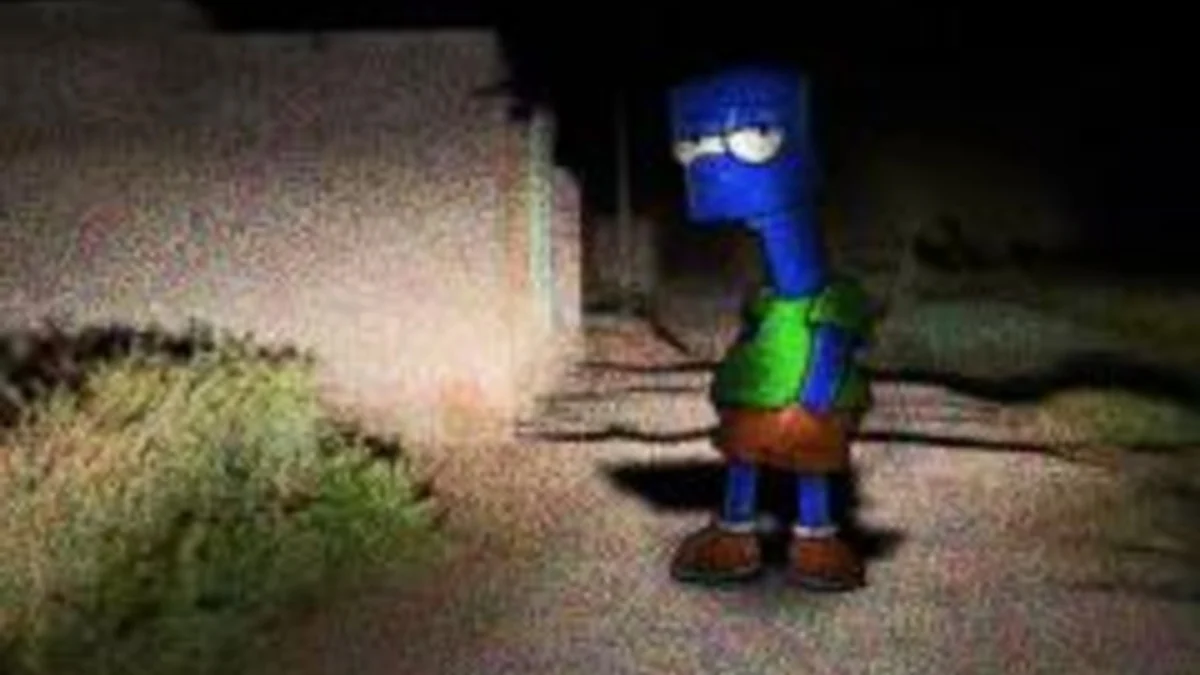
The digital landscape of 2026 has witnessed the emergence of a new and unsettling cultural phenomenon known as Barf Simmons, or alternatively, Barf Symptons. This character, a distorted and horror-themed iteration of the globally recognized animated figure Bart Simpson, has rapidly ascended from a niche TikTok account to a widespread internet meme. Characterized by a blue complexion, an elongated neck, and a signature green shirt, Barf Simmons represents a convergence of analog horror aesthetics, creepypasta storytelling, and the enduring legacy of The Simpsons in internet subcultures. Since its debut in early July 2026, the character has captured the attention of millions, sparking a wave of derivative content, speculative rumors, and analytical commentary from digital culture experts.
The Barf Simmons phenomenon is rooted in the "uncanny valley" effect, where a familiar figure is altered just enough to become deeply disturbing. By taking one of the most recognizable faces in television history and subjecting it to surrealist physical distortions and a somber, grainy visual filter, the creators have tapped into a vein of digital nostalgia and fear. This report examines the origins, the rapid dissemination across social platforms, the technical elements of its production, and the broader implications of such memes in the contemporary media environment.
Chronological Development and Origin
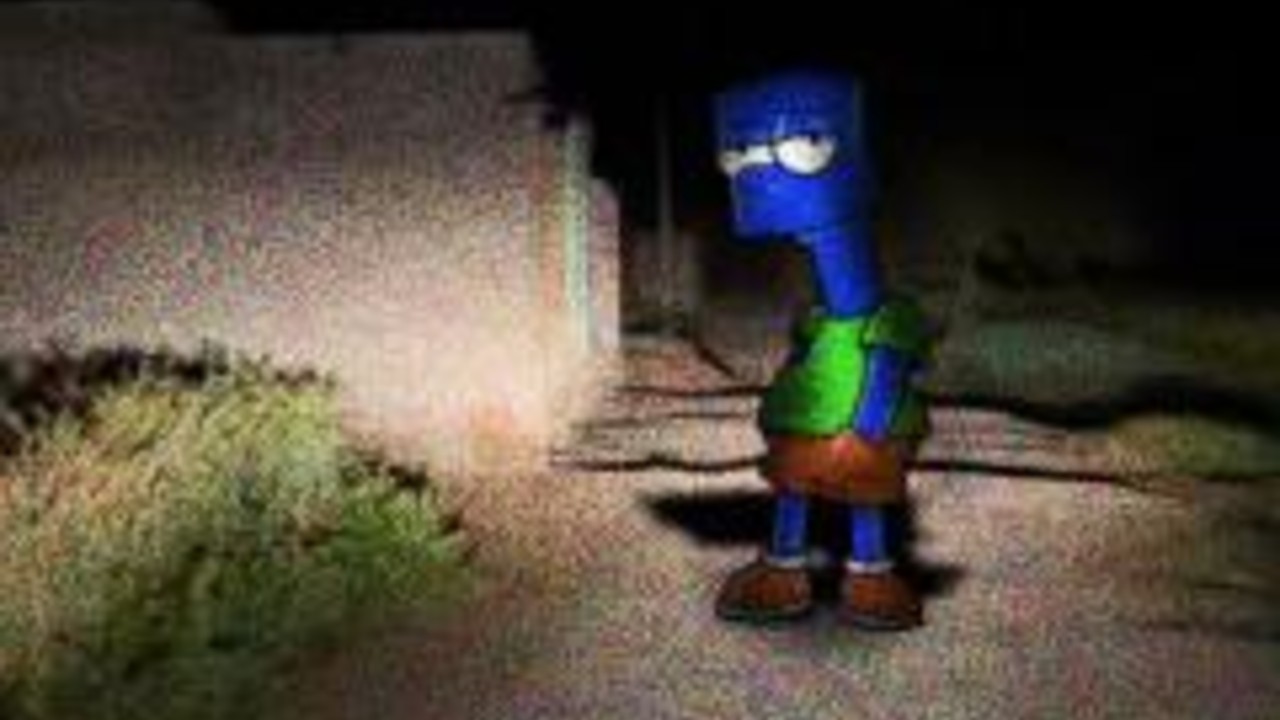
The Barf Simmons narrative began on July 7, 2026, when a TikTok user operating under the handle @barfsymptons uploaded a low-resolution, grainy image. This initial post depicted an altered version of Bart Simpson standing in a dark, desolate alleyway. The character featured blue skin—a stark contrast to the original yellow—a lime-green shirt, and a neck that appeared unnaturally stretched. The aesthetic was immediately reminiscent of the "analog horror" genre, which utilizes the visual imperfections of older media, such as VHS tapes, to create an atmosphere of dread. While this first post garnered a modest 1,600 views in its first month, it established the foundational visual language for what would become a viral sensation.
Throughout the remainder of July and into early August 2026, the @barfsymptons account maintained a consistent posting schedule, gradually increasing the complexity of the content. The transition from static images to video edits marked a significant turning point in the meme’s reach. On August 16, 2026, the account released a video edit that integrated Barf Simmons into a pre-existing meme format involving the late actor Robert Loggia—a clip originally popularized by Family Guy. This specific edit, which replaced traditional comedic elements with the surreal presence of Barf Simmons, achieved massive success, accumulating over 1.2 million views within five days.
The momentum continued on August 17, 2026, with a video depicting a "collision of worlds" where the standard Bart Simpson character encounters his distorted counterpart. This narrative-driven approach to meme-making, which implies a deeper lore or a "creepypasta" backstory, resonated with viewers, garnering nearly 800,000 views in less than a week. By late August, the character had transcended TikTok, appearing on platforms such as X (formerly Twitter) and YouTube, signaling its transition from a platform-specific trend to a general internet phenomenon.
Visual Aesthetics and the Analog Horror Influence
The appeal of Barf Simmons is inextricably linked to its visual design. The use of blue skin is a deliberate subversion of the iconic Simpson yellow, serving as an immediate visual cue that something is "wrong" within the established universe of the show. The elongated neck and the grainy, high-contrast lighting of the videos evoke a sense of biological horror, suggesting a mutation or a supernatural haunting.
Technically, the videos rely heavily on post-production filters that mimic the degradation of magnetic tape. These "VHS artifacts"—including tracking errors, color bleeding, and static—are hallmarks of the analog horror genre, which has seen a resurgence in the mid-2020s through projects like The Backrooms and various "lost media" parodies. By applying these techniques to a character as wholesome and commercialized as Bart Simpson, the creators of Barf Simmons engage in a form of "culture jamming," turning a corporate icon into a source of existential unease.
Furthermore, the audio design in these memes often features distorted soundscapes, slowed-down music, or sudden bursts of static. This auditory assault complements the visual distortions, ensuring that the viewer’s experience is one of consistent discomfort. The "Barf Symptons" moniker itself suggests a disease or a pathological condition, further leaning into the "body horror" aspects of the meme.
Cross-Platform Dissemination and Community Engagement
The spread of Barf Simmons was not limited to its original creator. As the aesthetic gained traction, other social media users began to incorporate the character into their own content. On August 20, 2026, an X user known as @VetroxFNBR posted a claim that Barf Simmons would be added to the popular video game Fortnite. While the post was largely viewed as a satirical commentary on Fortnite’s frequent pop-culture collaborations, it garnered over 14,000 likes and sparked a debate about the inevitability of viral memes being co-opted by major gaming franchises.
The meme’s cultural significance was further solidified on August 21, 2026, when the influential YouTube channel "Lessons In Meme Culture" published a dedicated analysis of the Barf Simmons trend. The video, which reached over 66,000 views in its first 24 hours, provided a historical context for the meme, linking it to previous "Creepy Bart" stories and the broader tradition of "Bootleg Bart" merchandise from the early 1990s. This level of institutional recognition within the meme community often serves as a catalyst for even wider adoption, as it provides a framework for new users to understand and participate in the trend.
Supporting Data and Social Media Metrics
The growth of @barfsymptons and the associated hashtags provides a quantifiable look at the meme’s trajectory:
- Initial Engagement: July 7 to August 1, 2026, saw an average engagement rate of less than 1% per post.
- Viral Breakthrough: Between August 15 and August 20, the account saw a 75,000% increase in view counts, largely driven by the TikTok algorithm’s promotion of high-retention "horror" edits.
- Search Interest: Data from major search engines indicated a sharp spike in queries for "Who is Barf Simmons?" and "Barf Symptons origin" starting on August 18, 2026.
- Derivative Content: By August 22, over 500 unique videos using the "Barf Simmons" visual assets had been uploaded by various users across TikTok and Instagram Reels.
These metrics suggest that while the character originated from a single source, its "virality" was sustained by the community’s willingness to remix and redistribute the imagery, a classic hallmark of successful digital folklore.
Historical Context: From Bootleg Bart to Analog Horror
To understand Barf Simmons, one must look at the history of The Simpsons in the peripheral of mainstream culture. In the early 1990s, "Bootleg Bart" T-shirts became a global phenomenon. These shirts often depicted Bart Simpson in roles he never occupied in the show—as a basketball star, a member of a specific ethnic group, or a political figure. This history of unauthorized, creative reinterpretation of the character laid the groundwork for Barf Simmons.
Additionally, the "creepypasta" era of the 2010s frequently used The Simpsons as a subject. Famous stories like "Dead Bart"—a fictional account of a lost, morbid episode—established a precedent for using the show’s bright, comedic world as a backdrop for horror. Barf Simmons is the modern evolution of this trend, utilizing 2026-era video editing technology to bring these unsettling concepts to life with a level of visual fidelity that was previously impossible.
Psychological Impact and Analysis
Psychologists and media theorists suggest that memes like Barf Simmons resonate because they exploit "childhood ruins." By taking a pillar of childhood entertainment and twisting it into something unrecognizable and threatening, the meme triggers a visceral emotional response. In an era of information overload and highly polished digital content, the "lo-fi" and "disturbing" nature of Barf Simmons offers a form of counter-cultural stimulation that breaks through the noise of traditional social media feeds.
Moreover, the meme reflects a broader societal fascination with "the glitch." As artificial intelligence and digital rendering become more perfect, there is a growing subculture that finds beauty and meaning in digital errors, distortions, and "broken" imagery. Barf Simmons is, in many ways, the personification of a digital glitch—a corrupted file of a beloved character that has taken on a life of its own.
Future Implications and Conclusion
The trajectory of Barf Simmons suggests that it may follow the path of other internet horror icons like Slender Man or Siren Head. These characters often start as simple images or short clips before being expanded into fan-made games, short films, and eventually, mainstream media references. The mentions of Barf Simmons in relation to Fortnite, while currently speculative, point toward a future where the line between "fan-made horror" and "official content" becomes increasingly blurred.
As of late August 2026, the Barf Simmons phenomenon shows no signs of slowing down. With the backing of major meme analysts and a rapidly growing fanbase, the blue, elongated version of Bart Simpson has secured its place in the annals of digital folklore. It serves as a potent reminder of the power of social media to transform established cultural icons into something entirely new, proving that even after nearly four decades in the public eye, there are still new and terrifying ways to reimagine the residents of Springfield. The continued evolution of @barfsymptons will likely dictate whether this character remains a fleeting summer trend or becomes a permanent fixture of the internet’s darker corners.

