
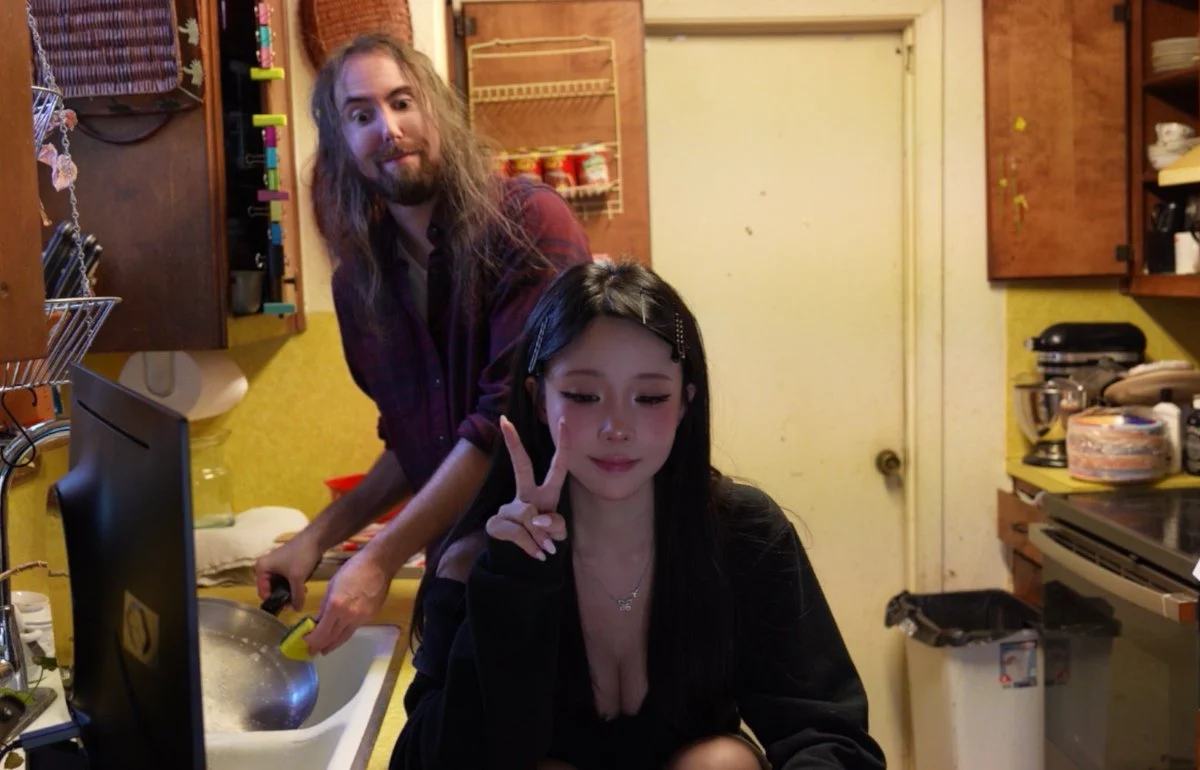
The intersection of high-profile digital creators and their private lives has once again become a focal point of intense public scrutiny following the emergence of a rumored relationship between the prominent Twitch personality Zack Hoyt, known professionally as Asmongold, and the Canadian content creator Kaise. While the two have not officially confirmed a romantic partnership, their frequent public appearances and collaborative social media content throughout July 2026 have sparked a massive wave of internet discourse. This phenomenon highlights the unique parasocial dynamics of the streaming industry, where a creator’s personal lifestyle choices—ranging from hygiene to dietary habits—become central components of their public brand and, by extension, the subject of collective community judgment.
Profiles of the Primary Figures
Zack "Asmongold" Hoyt is a foundational figure in the live-streaming ecosystem. As a co-founder of the media organization One True King (OTK), Hoyt has built a massive following primarily through his expertise in Massively Multiplayer Online (MMO) games like World of Warcraft. However, his brand is equally defined by his "authentic" and often controversial lifestyle. Hoyt has leaned into a persona characterized by a refusal to adhere to conventional standards of domestic cleanliness or personal grooming, a trait that has earned him the community-bestowed title of the "Roach King." His streaming environment, often depicted as cluttered with fast-food packaging and debris, has become a staple of internet lore.
Kaise is a Canadian-based streamer and content creator who maintains a presence on both Twitch and OnlyFans. Her content typically aligns with the lifestyle and "Just Chatting" categories, where aesthetic presentation and viewer engagement are paramount. Unlike Hoyt, whose brand is built on a rejection of "polished" influencer culture, Kaise’s digital footprint is more aligned with contemporary social media standards. The juxtaposition of these two distinct "brands" is a primary driver of the current public fascination.
Chronology of Public Association
While internal reports and fan speculation suggest that Hoyt and Kaise have been acquainted since at least 2024, the narrative reached a critical mass in the summer of 2026. The following timeline delineates the key events that propelled the story into the mainstream digital consciousness:
- Early July 2026: Kaise began appearing in the background of Hoyt’s broadcasts from his residence in Austin, Texas. Observers noted a shift in the atmosphere of the streams, as Kaise began to subtly challenge Hoyt’s established domestic habits.
- July 19, 2026: The discourse reached a fever pitch when Kaise posted a photograph on X (formerly Twitter) featuring herself and Hoyt with the caption, "$2 steak timeeee." The post, referencing Hoyt’s famously frugal and nutritionally questionable diet, garnered over 25.9 million views within 72 hours.
- Late July 2026: Collaborative content transitioned from static images to short-form video on TikTok and Kick. These clips often depicted Kaise attempting to implement lifestyle changes for Hoyt, including suggestions for home organization, improved hygiene routines, and a more balanced diet.
- August 2026: The term "Roach Queen" began trending as a derogatory or ironic label for Kaise, reflecting the community’s tendency to project Hoyt’s "Roach King" persona onto his associates.
The ‘Roach King’ Mythos and Its Role in the Narrative
To understand the intensity of the reaction to the rumored relationship, one must examine the historical context of Asmongold’s "Roach King" reputation. This is not a recent development but a long-standing element of his digital identity.
In June 2018, images of Hoyt’s bedroom first went viral on Reddit, sparking debates about mental health, lifestyle choices, and the "gamer" stereotype. The situation intensified in February 2024, when a live stream clip appeared to show a cockroach crawling on Hoyt’s person during a broadcast. Rather than distancing himself from these incidents, Hoyt has often integrated them into his commentary, arguing for a form of radical authenticity that rejects the "fake" nature of high-production influencers.
.jpg)
When Kaise entered this environment, the audience reaction was split between those who viewed her as a "stabilizing influence" and those who viewed her participation in his lifestyle as a baffling or calculated career move. The fascination lies in the "Beauty and the Beast" archetype, updated for the digital age, where the audience watches to see if the "unkempt" protagonist can be reformed by the newcomer.
Sociological Analysis of Audience Reactions
The reaction to the Hoyt-Kaise association has been characterized by a blend of genuine concern, ironic mockery, and the reinforcement of social stereotypes. Several key themes have emerged from the data-driven analysis of social media sentiment:
1. Gendered Scrutiny and the ‘Fix-Him’ Narrative
Much of the mockery has been directed at Kaise rather than Hoyt. This reflects a common social media trope where women are held responsible for the choices and conditions of the men they associate with. Comments questioning "why" she would choose to stay in such an environment suggest a public expectation that women should act as domestic moral compasses or "rehabilitators" for men who reject social norms.
2. Racial Stereotypes and Interracial Dating Discourse
A significant, albeit controversial, portion of the discourse has involved memes regarding the stereotype of Asian women dating white men regardless of their personal habits or appearances. This aspect of the conversation highlights the underlying racial tensions and preconceived notions that often surface in large-scale internet "roasts."
3. The Performance of Authenticity vs. Curation
The relationship represents a collision of two different economies of attention. Hoyt’s economy is based on "anti-grooming" and raw, unfiltered presence. Kaise’s economy is based on curation and aesthetic appeal. The tension between these two modes of existence provides a constant stream of "content" that keeps viewers engaged, regardless of whether the relationship is a genuine romantic endeavor or a mutually beneficial professional collaboration.
Broader Implications for the Streaming Industry
The Asmongold-Kaise situation serves as a case study for several broader trends in the creator economy:
- The Commercialization of Personal Life: For top-tier streamers, personal relationships are no longer private matters; they are narrative arcs that drive engagement metrics. The millions of views on a single photo of a "$2 steak" dinner demonstrate the immense commercial value of "lifestyle" content over traditional gaming content.
- Brand Synergy and Conflict: When two creators associate, their brands merge. In this case, Kaise’s brand has been forced to absorb the "Roach King" aesthetic, leading to the "Roach Queen" label. This illustrates the risks involved for smaller creators when they enter the orbit of "mega-influencers" with deeply entrenched, polarized reputations.
- The Evolution of Content Formats: The transition of this story from long-form Twitch streams to viral X posts and then to "reaction" clips on TikTok shows the multi-platform nature of modern digital fame. A single event in Austin, Texas, is processed through various cultural filters across different apps, each adding a new layer of commentary and meaning.
Conclusion
The ongoing fascination with the relationship between Asmongold and Kaise is more than mere tabloid gossip; it is a reflection of the current state of digital culture. It highlights how audience members utilize streamers as vessels for their own values regarding hygiene, gender roles, and social standards. As Kaise continues to share glimpses of their interactions—ranging from "cleaning" interventions to shared meals—the digital public remains a captive audience to a reality-style drama that blurs the line between personal life and professional entertainment. Whether this association results in a long-term partnership or remains a fleeting viral moment, it has already solidified its place as a significant chapter in the history of influencer-driven social discourse.

