
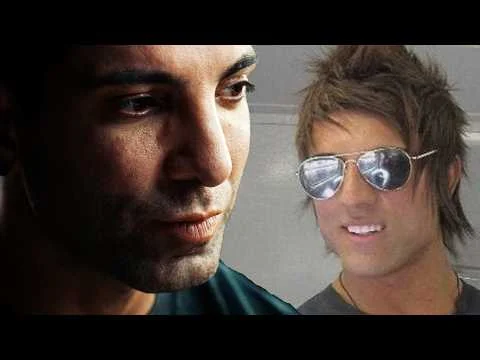
Said Shavershian, known globally by the moniker Chestbrah, has provided an expansive look into the life and lasting influence of his brother, Aziz "Zyzz" Shavershian, in a comprehensive dialogue that marks a pivotal moment for the online fitness community. As a professional bodybuilder and online coach, Said Shavershian has spent over a decade navigating the complex intersection of personal grief and public stewardship, managing the digital afterlife of a man who became the face of a subculture. The interview delves into the origins of the "aesthetics" movement, the transition of the Shavershian brothers from online gaming enthusiasts to fitness icons, and the sociological shift in gym culture from inclusive camaraderie to the more competitive and often exclusionary trends seen in contemporary "looksmaxxing" circles.
The Genesis of the Aesthetic Movement: From Azeroth to the Gym
The narrative of Aziz Shavershian, which has achieved a near-mythological status in digital archives, began not in a weight room but in the virtual landscapes of World of Warcraft. Said Shavershian recounted the pivotal period in 2007 when he actively encouraged his younger brother to abandon his sedentary lifestyle and join him in physical training. At the time, Aziz was a high-ranking player in the MMORPG community, a background that Said suggests contributed to the obsessive discipline Aziz later applied to his physique.
The transition was rapid. By 2008, Aziz had begun documenting his transformation on the Bodybuilding.com "Miscellaneous" (commonly referred to as /misc/) forum and 4chan’s /fit/ board. It was during this era that the term "aesthetics" was repurposed. Unlike traditional bodybuilding, which prioritized mass and freakish proportions, the Shavershian brothers promoted a lean, V-tapered look inspired by Greek statues and late-20th-century fitness models. This aesthetic was paired with a hedonistic, "live for the moment" philosophy that resonated with a generation of young men seeking both physical improvement and social confidence.
Chronology of an Icon: 2007 to 2011
The rise of Zyzz was characterized by a specific timeline of digital milestones that transformed a local Sydney resident into an international phenomenon.
- 2007: Aziz Shavershian sells his World of Warcraft account to purchase a gym membership and initial supplements, following the lead of his older brother, Said.
- 2008–2009: Aziz begins posting videos on YouTube and frequenting the /misc/ forums. He adopts the persona "Zyzz," characterized by a "troll" personality, high-energy dance moves, and a disregard for social norms.
- 2010: The "Aesthetic" brand begins to take shape. Aziz launches his own protein label, "Protein of the Gods," and publishes "Zyzz’s Bodybuilding Bible." He becomes a prominent figure in the Sydney "stereosonic" music festival scene.
- August 5, 2011: While on vacation in Pattaya, Thailand, Aziz Shavershian suffers a fatal heart attack in a sauna. He was 22 years old. An autopsy later revealed a previously undiagnosed congenital heart defect.
- August 2011 – Present: Following his death, Said Shavershian releases "Zyzz: The Legacy," a tribute video featuring unreleased footage. The video goes viral, effectively immortalizing Aziz and sparking a global fitness movement that continues to grow.
The Evolution of Fitness Rhetoric: "We’re All Gonna Make It" vs. "Mogging"
A significant portion of the interview focused on the linguistic and psychological evolution of the fitness community. During the peak of Zyzz’s popularity, the prevailing catchphrase was "We’re all gonna make it, brah." According to Said, this phrase was rooted in a sense of collective self-improvement. It served as an egalitarian call to action, suggesting that anyone, regardless of their starting point, could achieve their ideal self through dedication and a positive mindset.
However, Said observed a stark contrast between that era and the current "looksmaxxing" and "Sigma" trends of the mid-2020s. The contemporary discourse has shifted toward "mogging"—a term derived from "AMOG" (Alpha Male of Group), referring to physically dominating others in a social or visual space. The inclusive "brah" culture has, in many sectors, been replaced by a more cynical, competitive framework where fitness is used as a tool for social hierarchy rather than personal liberation. Said expressed a nuanced view of this shift, acknowledging that while the competitive drive can fuel progress, the loss of the "we’re all gonna make it" spirit risks alienating those who need the community most.
Supporting Data: The Digital Footprint of a Legacy
The impact of the Zyzz phenomenon is quantifiable through digital metrics. As of 2026, tribute videos to Aziz Shavershian have amassed hundreds of millions of views across platforms like YouTube, TikTok, and Instagram. Search interest for "Zyzz" and "aesthetics" consistently spikes annually around the anniversary of his passing, demonstrating a cyclical renewal of his influence among new generations of gym-goers.
Market analysis of the fitness industry also shows a significant uptick in the "physique" and "classic physique" categories of bodybuilding competitions over the last 15 years, a trend many analysts attribute to the "aesthetic" standard popularized by the Shavershian brothers. Furthermore, the "Gymtok" subculture on TikTok, which boasts billions of views, frequently utilizes the same trance and hardstyle music associated with Zyzz’s original videos, cementing his aesthetic choices as the permanent soundtrack of modern gym culture.
Stewardship and the "Hard Drive" of History
Said Shavershian’s role has been described by many as that of a "digital executor." In the interview, he touched upon the emotional weight of possessing a hard drive containing hours of unreleased footage of his brother. For years, Said has strategically released snippets of this footage, ensuring that the memory of Aziz remains fresh in the public consciousness. This process, while serving the fans, has also been a method for Said to process his own grief.
Said noted that being "Chestbrah" involves more than just maintaining a physique; it involves defending his brother’s character against critics who viewed Aziz as a "shameless narcissist." Said argues that the "Zyzz" persona was a performance—a character designed to entertain and inspire—while the real Aziz was a sensitive and driven individual who cared deeply about his followers.
Broader Cultural Impact and Sociological Implications
The legacy of the Shavershian brothers extends beyond muscle and supplements; it represents a significant shift in how young men interact with social media and body image. The "Zyzz" archetype was one of the first examples of the "micro-celebrity" influencer who leveraged personality as much as physical attributes.
Sociologists have pointed to the Zyzz movement as a response to the "crisis of masculinity" in the 21st century. By combining physical strength with a playful, almost feminine grace in his posing and dancing, Aziz provided a new template for male expression. However, the darker side of this legacy—the pressure for physical perfection and the potential for body dysmorphia—remains a topic of intense debate within the medical and psychological communities.
The interview with Said Shavershian serves as a reminder that the "aesthetic" movement was not merely a trend but a fundamental shift in the fitness landscape. As the community moves further into the 2020s, the tension between the original message of hope and the modern reality of social media competition continues to define the experience of millions of young athletes.
Official Responses and Industry Reactions
Following the release of the interview, several prominent figures in the fitness industry have weighed in on Said’s reflections. Former competitors and contemporary influencers have lauded Said for his transparency and for maintaining the integrity of the movement. Coaches have noted that the "Shavershian effect" is still the primary reason many young men enter the gym today, with many citing Zyzz as their original inspiration.
While the "hard drive" of unreleased footage may eventually run dry, the cultural framework established by the brothers appears to be permanent. Said Shavershian’s ongoing efforts as a coach and mentor ensure that the "aesthetic" philosophy remains grounded in the principles of hard work and self-belief, even as the digital world around it continues to evolve. In his closing remarks, Said reaffirmed his commitment to the legacy, stating that his work is a tribute to a brother who changed the world by simply deciding to change himself.

