
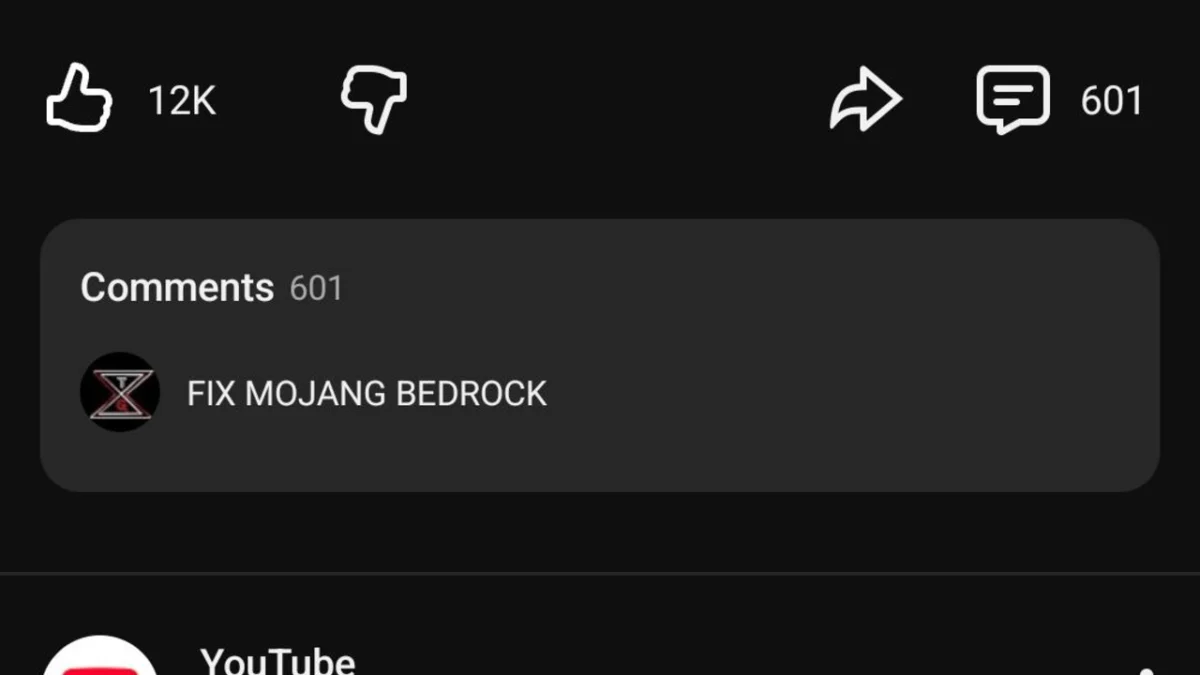
The digital landscape of the Minecraft community, one of the largest and most influential in the history of gaming, was fundamentally altered in late 2025 by the emergence of a singular, repetitive, and highly effective form of digital protest. What began as a legitimate grievance regarding software stability quickly evolved into a pervasive copypasta and spam phenomenon known globally as Fix Mojang Bedrock or Fix Bedrock Mojang. This movement, characterized by the relentless posting of these four words across social media platforms, highlights a growing tension between massive software developers and a player base that demands parity and performance across all iterations of a flagship product.
The Technical Catalyst and the Birth of a Protest
The origins of the movement can be traced back to November 2025, a period during which the Minecraft Bedrock Edition—the version of the game built on the C++ based Bedrock Engine designed for cross-platform play—encountered a series of high-profile technical failures. While Minecraft has long been divided between the original Java Edition and the more modern Bedrock Edition, the latter has frequently been the subject of community scrutiny due to perceived inconsistencies in mechanics and a higher frequency of "game-breaking" glitches, often colloquially referred to by the community as "Bugrock."
In November 2025, two specific bugs served as the primary catalysts for the initial wave of "Fix Bedrock" comments. The first was a critical cursor-tracking error in the PC version of the Bedrock Edition. Players reported that the mouse cursor would frequently lose its lock within the game window, drifting onto secondary monitors or the taskbar during active gameplay. In a game where precise movement and camera control are essential for survival and building, this flaw rendered the experience nearly unplayable for a significant portion of the desktop user base.
The second, and perhaps more severe, issue involved a systemic memory leak. This bug caused the game to consume increasing amounts of RAM over time, eventually leading to catastrophic system crashes. For users with mid-range hardware, these crashes were not merely an inconvenience but a potential threat to system health, as the memory leak would often freeze the entire operating system. As reports of these issues flooded forums, the community’s patience reached a breaking point.
A Chronology of the Fix Bedrock Phenomenon
The timeline of the movement shows a rapid transition from targeted bug reports to a generalized social media campaign. On November 11, 2025, the first notable organized inquiry appeared on the /r/Minecraft subreddit. Redditor LexonTheDragon questioned the sudden influx of "Fix Bedrock" demands, signaling that the phrase had already begun to saturate community discussions.
By November 18, 2025, the movement had shifted from Reddit threads to the comment sections of official Mojang content. Redditor Wrong_Election documented this escalation on the /r/PhoenixSC subreddit, noting that for six consecutive days, the top-voted comment on every Minecraft-related YouTube post was some variation of "Fix Bedrock Mojang." One specific screenshot from this era showed an official Minecraft YouTube community post with over 134,000 likes, where the top comment—a simple demand for Bedrock fixes—had garnered nearly 3,000 likes of its own.
As the calendar turned to 2026, the phrase underwent a transformation. What started as a protest became a cultural staple of the Minecraft community. In January 2026, the movement gained further momentum through the involvement of content creators. On January 26, the YouTuber Yrrah published a comprehensive video detailing the spam comments. The video, which analyzed the effectiveness and the annoyance of the campaign, amassed over one million views within seven months. This exposure served to cement the phrase in the minds of millions of players who may not have been directly affected by the original bugs but were now participants in the meme.
By mid-2026, the movement had migrated to TikTok, where the "Fix Mojang Bedrock" caption was applied to videos showing both legitimate glitches and intentionally humorous, modded content. On July 28, 2026, the account @minecraftmods.site posted a video featuring a glitched flower texture with the now-iconic caption, receiving over 91,000 likes in a single month. This marked the point where "Fix Mojang Bedrock" officially transitioned from a technical demand into a versatile copypasta.
The Mechanics of Spam: Bots and Algorithmic Amplification
One of the most intriguing aspects of the Fix Mojang Bedrock phenomenon is the role of automation. Analysts and community moderators have noted that a significant portion of the spam likely originated from bot accounts. These bots were programmed to identify any new post by Mojang or prominent Minecraft influencers and immediately reply with the "Fix Bedrock" phrase.
The variation in the wording—sometimes "Fix Bedrock Mojang" and other times "Fix Mojang Bedrock"—is often cited as evidence of botting. These permutations were likely designed to bypass basic spam filters that might look for exact string matches. However, the community eventually embraced these linguistic errors. The "Fix Mojang Bedrock" version, which technically suggests that Mojang itself is the thing that needs to be fixed rather than the game, became a meta-joke within the community, used to mock the perceived corporate apathy of the developers.
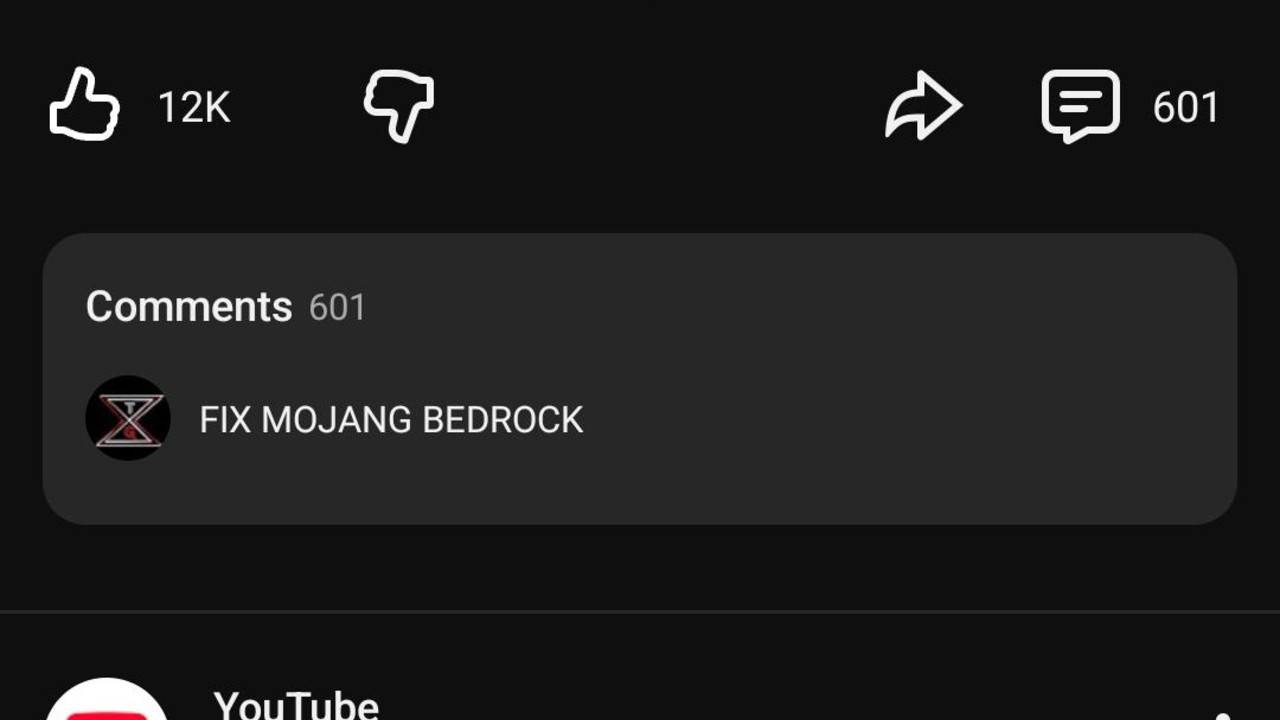
The YouTube and TikTok algorithms played a secondary but vital role in the spread. Because the comments received high engagement in the form of likes and replies, the platforms’ algorithms pushed them to the top of the feed. This created a feedback loop: the more people saw the comment, the more they liked it or copied it themselves, further ensuring its dominance in the digital space.
The Cultural Divide: Bedrock vs. Java
To understand the intensity of the "Fix Bedrock" movement, one must understand the long-standing cultural divide within the Minecraft ecosystem. Since its acquisition by Microsoft in 2014, Mojang has worked to unify the game across platforms. The Bedrock Edition is the centerpiece of this strategy, allowing players on Xbox, PlayStation, Nintendo Switch, iOS, Android, and Windows to play together.
However, the original Java Edition, which is exclusive to PC, remains the preferred version for the game’s most dedicated technical and modding communities. The Java Edition is often perceived as more stable and "pure," whereas the Bedrock Edition is frequently criticized for its monetization through the Minecraft Marketplace and its inconsistent "Redstone" logic.
The "Fix Bedrock" movement was, in many ways, a manifestation of the Bedrock community’s desire for the same level of polish and respect afforded to the Java Edition. When the November 2025 bugs hit, it reinforced the narrative that Bedrock was a "second-class" version of the game, despite being the version that generates the most revenue for Microsoft.
Official Responses and the Efficacy of Digital Activism
Mojang’s response to the movement was largely conducted through technical channels rather than public PR statements. Throughout late 2025 and early 2026, several hotfixes were deployed to address the cursor-tracking issues and the memory leaks. By mid-2026, the specific bugs that had sparked the initial outrage were largely resolved.
Despite these fixes, the "Fix Mojang Bedrock" comments did not stop. This persistence highlights a fundamental shift in how gaming communities interact with developers. Once a phrase becomes a meme, its original purpose—to signal a specific technical flaw—is often lost, replaced by its function as a general symbol of community dissatisfaction. For Mojang, the challenge shifted from fixing code to managing a brand image that had become synonymous with "buggy" performance in the eyes of the commenters.
Industry analysts suggest that while copypasta protests are effective at garnering attention, they often create a "signal-to-noise" problem for developers. When thousands of identical comments flood a post, legitimate, detailed bug reports can be buried, making it more difficult for quality assurance teams to identify and replicate new issues.
Broader Impact and Industry Implications
The Fix Mojang Bedrock movement serves as a case study for the modern gaming industry. It demonstrates the power of a unified community voice, even when that voice is repetitive and automated. In an era where "live-service" games require constant updates and community engagement, the "Fix Bedrock" phenomenon shows how quickly a loyal fan base can turn into a source of constant, visible criticism.
Furthermore, the movement underscores the difficulties of maintaining parity in cross-platform development. As games become more complex, ensuring a seamless experience across hardware ranging from high-end PCs to aging mobile phones is an increasingly impossible task. The "Fix Bedrock" movement was a reminder that for the players, these technical hurdles are not an excuse for a sub-par experience.
As of late 2026, the phrase continues to appear, though its frequency has diminished as new memes take center stage. It remains a part of the Minecraft lexicon, a digital scar from a period of technical instability and a testament to the community’s refusal to let technical flaws go unnoticed. Whether or not the Bedrock Edition will ever achieve the perceived stability of its Java counterpart remains to be seen, but the "Fix Mojang Bedrock" movement ensured that the demand for excellence will remain a permanent fixture of the conversation.

