
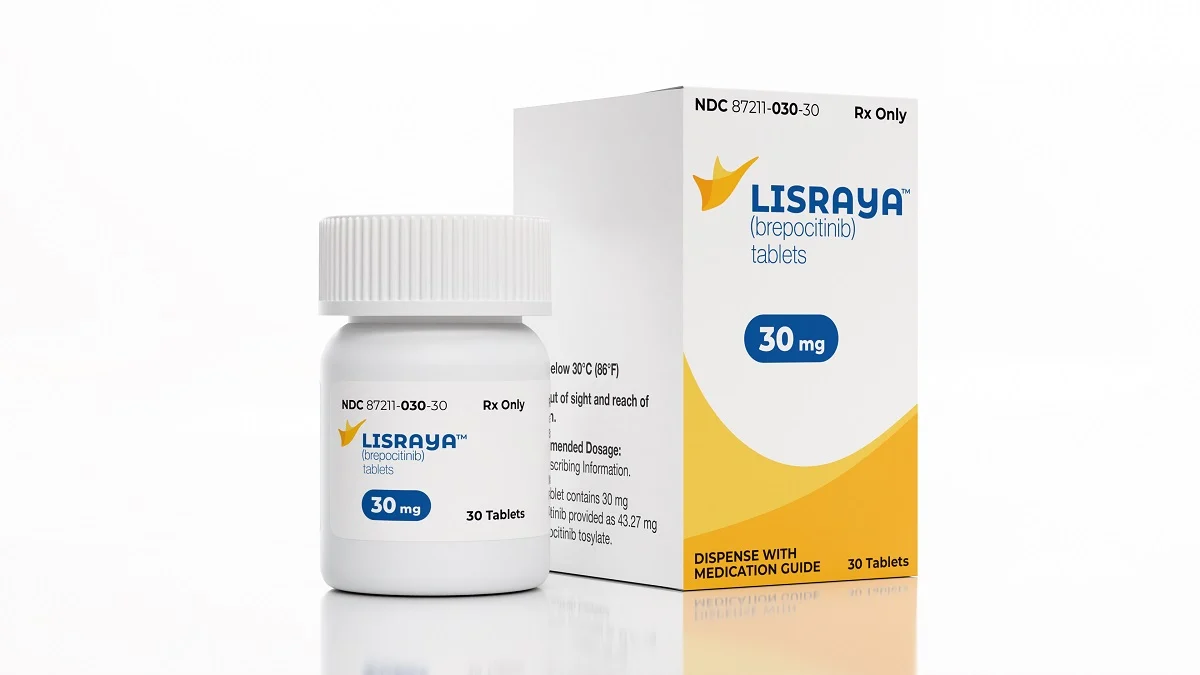
The U.S. Food and Drug Administration (FDA) has granted approval to Lisraya (brepocitinib), a once-daily oral medication for the treatment of dermatomyositis in adults, signaling a transformative shift in the management of this rare and debilitating autoimmune condition. Developed by Priovant Therapeutics, a subsidiary of Roivant Sciences, Lisraya becomes the first drug specifically engineered to target the underlying inflammatory drivers of dermatomyositis, an ailment that has seen little therapeutic innovation in over half a century. Following the regulatory clearance announced late Thursday, the pharmaceutical companies confirmed that the treatment is immediately available to patients and providers, ending a long period of clinical stagnation characterized by the failure of numerous high-profile immunological agents to meet efficacy benchmarks in this specific indication.
A New Era for Dermatomyositis Management
Dermatomyositis is a chronic, multi-system inflammatory disorder characterized by distinct skin rashes and progressive muscle weakness. For decades, the medical community has relied on broad-spectrum immunosuppressants and high-dose corticosteroids to manage the disease. While these treatments can provide relief, they are not specific to the pathology of dermatomyositis and are often associated with severe, long-term side effects, including bone density loss, metabolic dysfunction, and increased susceptibility to opportunistic infections.
The approval of Lisraya is particularly significant because it represents a shift from general immune suppression to targeted molecular intervention. While other therapies like intravenous immunoglobulin (IVIG) have been utilized for severe cases, they require invasive administration and are derived from large pools of human plasma, presenting logistical and supply chain challenges. Lisraya, as a small-molecule oral pill, offers a more convenient and precise alternative for the estimated 70,000 individuals living with the condition in the United States.
Mechanism of Action: Dual Inhibition of JAK1 and TYK2
At the core of Lisraya’s efficacy is its unique mechanism of action. The drug is designed to inhibit two specific proteins: Janus kinase 1 (JAK1) and Tyrosine kinase 2 (TYK2). These proteins serve as critical gatekeepers in the signaling pathways of various pro-inflammatory cytokines that are implicated in the skin and muscle destruction seen in dermatomyositis.
While the FDA has previously approved other JAK inhibitors for conditions such as rheumatoid arthritis and psoriatic arthritis, Lisraya is the first to specifically combine the inhibition of JAK1 and TYK2 in a single molecule for this indication. This dual-targeting approach is intended to provide a more comprehensive dampening of the inflammatory cascade while maintaining a favorable safety profile compared to broader, non-selective immunosuppressants. By blocking these pathways, Lisraya aims to arrest the immune system’s attack on healthy tissue, thereby reducing the prevalence of skin lesions and improving muscle strength and physical function.
Clinical Validation and the VALOR Study
The regulatory submission for Lisraya was supported by robust data from a global, placebo-controlled Phase 3 study known as the VALOR trial. The study enrolled 241 adult patients diagnosed with dermatomyositis who were experiencing active disease despite standard-of-care treatments. The primary endpoint of the trial was the Total Improvement Score (TIS), a composite measure that evaluates changes across several domains, including muscle strength, skin activity, and physician global assessment.
Data published in the New England Journal of Medicine in March revealed that patients treated with Lisraya showed statistically significant improvements in TIS at 52 weeks compared to those in the placebo group. Furthermore, secondary endpoints highlighted a substantial reduction in the Cutaneous Dermatomyositis Disease Area and Severity Index (CDASI), a metric specifically focused on skin health. These findings, which were further detailed in a recent publication in JAMA Dermatology, indicated that patients on Lisraya were significantly more likely to achieve "near-complete" skin clearance and were able to successfully taper their use of oral steroids—a major goal for clinicians and patients alike.
Safety data from the trial indicated that the most common adverse reactions included upper respiratory tract infections, headaches, fatigue, and nausea. However, consistent with other medications in the JAK inhibitor class, the FDA has required a "Black Box" warning on the Lisraya label. This warning alerts prescribers and patients to the potential risks of serious infections, malignancy, major adverse cardiovascular events (MACE), and thrombosis—risks that were first identified during post-marketing studies of earlier JAK inhibitors.
The Roivant Strategy: Turning Deprioritized Assets into Blockbusters
The success of Lisraya is also a validation of the unique business model employed by Roivant Sciences. Unlike traditional biotechnology firms that focus heavily on internal laboratory discovery, Roivant, led by CEO Matt Gline, specializes in identifying "orphaned" or deprioritized drug candidates within the pipelines of large pharmaceutical giants.
Lisraya was originally developed by Pfizer. Despite promising early data, Pfizer eventually deprioritized the asset, partly due to the regulatory uncertainty surrounding the JAK inhibitor class in 2021. Roivant saw an opportunity in the "abandoned" category, forming Priovant Therapeutics to specifically advance brepocitinib for rare autoimmune diseases where the need was high and competition was low. Pfizer retains a 25% equity stake in Priovant, ensuring they benefit from the drug’s commercial success while Roivant manages the development and commercialization risks.
"Not for lack of trying, there have been a lot of attempts in history to bring some of the greatest drugs in immunology—Rituximab, Remicade, Enbrel, many others—across the finish line in dermatomyositis, and none of those have been successful," Matt Gline stated during a conference call following the approval. Gline emphasized that by focusing on the specific "swim lane" of orphan inflammatory diseases, Roivant has been able to deliver a first-in-class therapy to a community that had been waiting for decades.
Economic Implications and Market Positioning
Lisraya enters the market with a list price of $35,000 per month, totaling $420,000 annually. This pricing reflects its status as an "orphan drug" for a rare chronic condition. While the cost is significantly higher than older JAK inhibitors like Xeljanz—which costs approximately $76,000 per year—analysts point out that Lisraya serves a much smaller, more specialized patient population with fewer treatment alternatives.
Market analysts at Leerink Partners have projected that Lisraya could achieve blockbuster status, with revenue estimates reaching $4.2 billion by fiscal year 2032. This valuation accounts for the drug’s potential expansion into other rare indications currently being investigated by Priovant. Because dermatomyositis is a chronic condition, many patients may require treatment indefinitely, providing a stable long-term revenue stream for the company.
Chronology of Development and Future Outlook
The journey of Lisraya from a Pfizer lab to FDA approval marks a multi-year effort in clinical and regulatory navigation:
- 2021: The FDA issues a class-wide Black Box warning for JAK inhibitors following the Xeljanz safety study, leading many companies to pivot away from the class.
- 2022: Roivant and Pfizer announce the formation of Priovant Therapeutics to develop brepocitinib (Lisraya) specifically for dermatomyositis and lupus.
- 2023: Priovant reports that brepocitinib failed to meet its primary endpoint in a Phase 2 study for systemic lupus erythematosus, leading the company to double down on dermatomyositis and other rare indications.
- March 2024: Positive Phase 3 VALOR data are published in the New England Journal of Medicine.
- Late 2024: FDA grants official approval for Lisraya in dermatomyositis.
Looking ahead, Priovant is aggressively pursuing additional indications for Lisraya. Preliminary data from a Phase 3 trial in non-infectious uveitis, a leading cause of blindness, is expected by the end of this year. Additionally, the company is conducting trials for cutaneous sarcoidosis, with results expected in 2028, and is enrolling patients for a study on lichen planopilaris, an inflammatory condition that causes permanent hair loss.
Conclusion and Broader Impact
The approval of Lisraya represents a milestone for the rare disease community and a strategic triumph for the "Vant" model of drug development. For the thousands of patients suffering from the debilitating muscle weakness and painful rashes of dermatomyositis, the availability of a targeted, oral, once-daily therapy offers a path toward better disease control and a reduction in steroid dependency.
As the first brick in what Roivant hopes will be a "large wall of patient benefit," Lisraya’s launch will be closely watched by investors and medical professionals alike. Its success or failure in the commercial market will likely influence how other biotechnology firms approach the JAK/TYK2 class and whether the strategy of revitalizing deprioritized pharmaceutical assets continues to gain traction as a viable path for addressing unmet medical needs in the rare disease space.

