
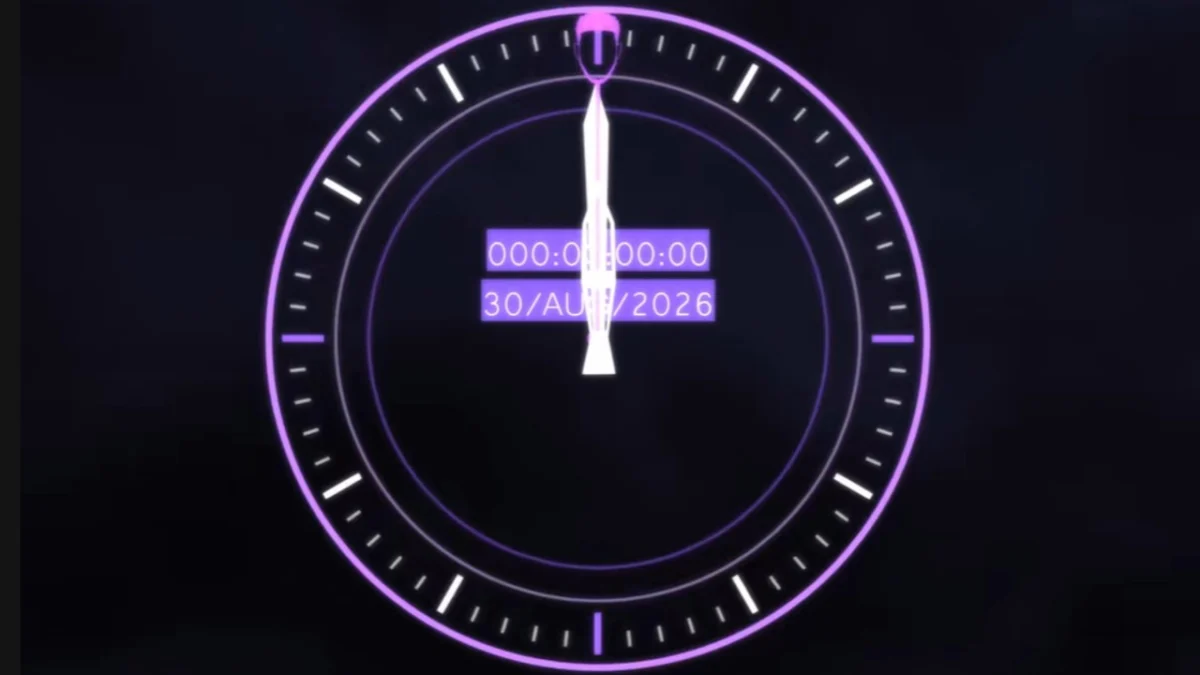
The digital landscape reached a fever pitch on August 30, 2026, as the internet community converged to observe an event colloquially known as Doomsdale. This date marked the conclusion of a self-imposed six-year ultimatum established by the controversial content creator Dalauan Sparrow, better known by his online moniker Low Tier God (LTG). The event, which transitioned from a niche community joke into a mainstream social media phenomenon, centered on a specific declaration made by Sparrow in 2020 regarding his career trajectory and personal definitions of success. As the clock struck midnight on the designated date, the ensuing viral activity highlighted the complex relationship between internet personalities and their audiences, as well as the enduring nature of digital accountability in the era of livestreaming.
The Genesis of Doomsdale: The 2020 Declaration
The origins of Doomsdale can be traced back to a livestream conducted by Low Tier God on August 30, 2020. During the broadcast, Sparrow engaged in one of his characteristic rhetorical segments, discussing his long-term goals and his perception of the streaming industry. At the time, Sparrow had already established a reputation as a polarizing figure within the Fighting Game Community (FGC), known for his high-level play in titles like Street Fighter as well as his aggressive, often derogatory interactions with opponents and viewers.
In a moment of uncharacteristic reflection, Sparrow stated to his audience, "If I’m still streaming six years later, I’m a failure." He elaborated that by 2026, he expected to have transitioned away from the primary grind of daily gaming broadcasts into more traditional forms of entertainment, such as acting or voiceover work. This statement was immediately seized upon by his viewership. For many, it represented a rare moment of vulnerability or perhaps a hubristic "manifestation" of a future that seemed increasingly unlikely given his controversial public standing. The clip of this declaration was archived, re-uploaded, and circulated across platforms like YouTube and Twitter (now X), serving as the foundational document for what would become a six-year countdown.
The Evolution of a Digital Counter-Culture
In the years following the 2020 declaration, the term "Doomsdale" emerged as a portmanteau of Sparrow’s first name, Dalauan, and the word "doomsday." The community surrounding Sparrow, which consists of a unique mix of dedicated fans and "hate-watchers," began to treat August 30, 2026, as a pivotal moment of truth. This phenomenon is reflective of a broader trend in internet culture where audiences hold creators to their past statements with a level of scrutiny that borders on the obsessive.
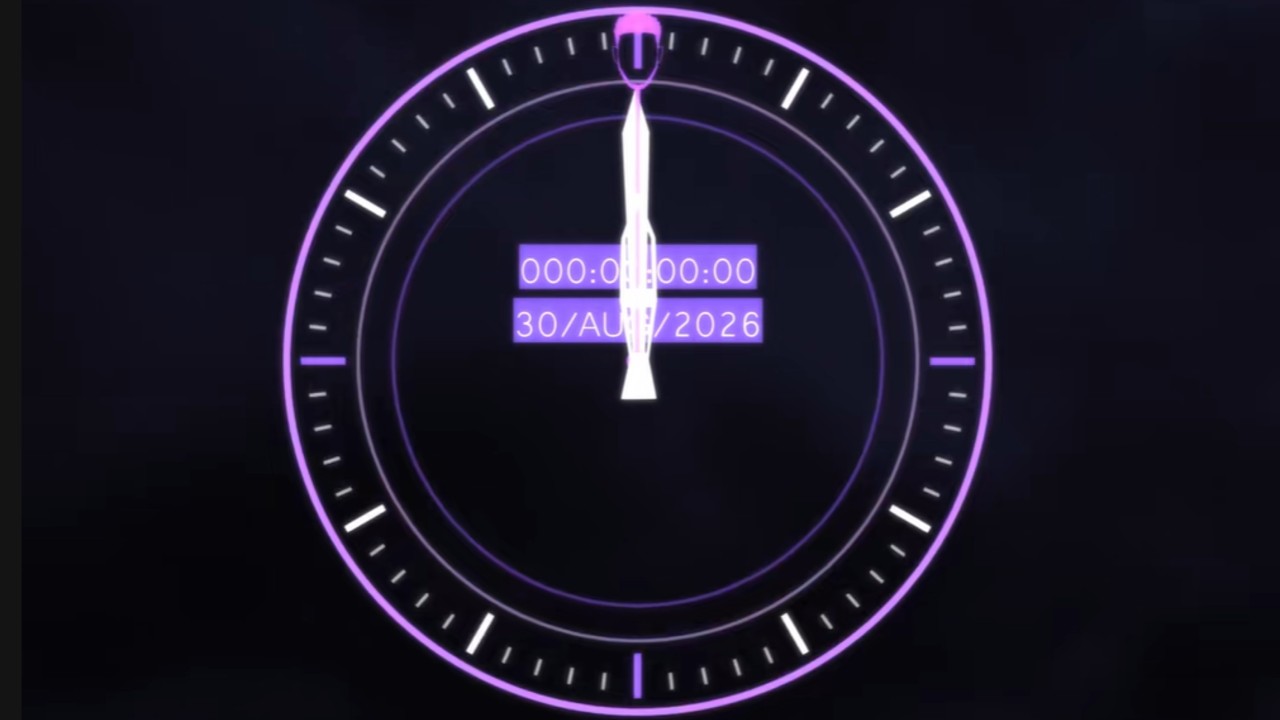
The "Doomsdale" movement was characterized by a high degree of organization among Sparrow’s detractors. In the months leading up to the deadline, a dedicated website, doomsdale.com, was launched. The site featured a live countdown timer ticking down to the exact second of the six-year anniversary of the 2020 stream. This level of dedication illustrates the "anti-fan" phenomenon, where individuals invest significant time and resources into documenting and satirizing the perceived failures of a public figure.
Pre-Event Developments and the 2026 Response
As the deadline approached in early 2026, the atmosphere within Sparrow’s community became increasingly electric. On May 23, 2026, a prominent community archivist known as Gene Starwind uploaded a clip that captured Sparrow’s evolving stance on his previous ultimatum. When questioned by a viewer about the "six years later" comment, Sparrow took a defiant tone. Rather than acknowledging the milestone as a sign of career stagnation, he pivoted to a defense of his financial success and lifestyle.
In the clip, Sparrow dismissed his 2020 self, suggesting that his younger self did not fully grasp the lucrative nature of the modern streaming economy. He characterized his viewers as envious, asserting that they "wish they could stream for a living" and boasting about his continued relevance in a volatile industry. This shift in rhetoric—from viewing streaming as a temporary stepping stone to defending it as a pinnacle of professional achievement—served only to fuel the anticipation for Doomsdale. Analysts of internet culture noted that this was a classic example of "moving the goalposts," a psychological defense mechanism often employed by public figures facing the failure of their own predictions.
August 30, 2026: The Day of Reckoning
When Doomsdale finally arrived, the surge in social media activity was measurable and significant. Across X, TikTok, and YouTube, the hashtag #Doomsdale began to trend globally. On X, prominent accounts such as @FearedBuck posted updates as the countdown neared its conclusion. One such post, which reminded followers that Sparrow had once claimed he would be a "failure in life" if he were still streaming by this date, garnered over 1.2 million views and 34,000 likes within 24 hours.
The live metrics during Sparrow’s broadcast on the day of Doomsdale were particularly telling. As the countdown on doomsdale.com hit zero, video evidence showed Sparrow’s chat rooms on both YouTube and Twitch being flooded with thousands of messages per second. The "chat explosion" became a spectacle in itself, with viewers using the moment to mock the streamer’s inability to move beyond the platform he had disparaged six years prior.
On TikTok, the event took on a more cinematic quality. Content creators posted "corecore" edits—a style of video characterized by melancholic music and fast-paced, emotionally resonant clips—juxtaposing Sparrow’s 2020 aspirations with his 2026 reality. One such edit by user @deprones reached 1.4 million views in a single day, illustrating how the Doomsdale narrative had expanded beyond the gaming community and into the wider zeitgeist of "internet lore."
Statistical Analysis of Engagement
The impact of Doomsdale can be quantified through several key metrics:
- Social Media Reach: The term "Doomsdale" and related keywords saw a 400% increase in search volume in the final week of August 2026.
- Video Engagement: Content related to the countdown on TikTok and YouTube amassed an estimated 25 million cumulative views within the 48-hour window surrounding the event.
- Concurrent Viewership: Sparrow’s own streams during the week of Doomsdale saw a 150% increase in concurrent viewers, though a significant portion of this audience was identified as "tourist viewers" who were only present to witness the fallout of the meme.
Broader Implications and Cultural Significance
The Doomsdale event serves as a significant case study in the psychology of digital fame and the longevity of internet personas. For Dalauan Sparrow, the event was a double-edged sword. While it cemented his status as a "failure" by his own historical metrics, it also provided him with a level of attention and engagement that most streamers struggle to achieve. This paradox—where negative sentiment drives positive metrics—is a cornerstone of the modern attention economy.
From a sociological perspective, Doomsdale highlights the "digital permanence" of the 21st century. In previous eras, a throwaway comment made by a minor celebrity might have been forgotten. Today, every word is recorded, archived, and weaponized by a global audience. The event also underscores the rise of "celebration of failure" as a form of entertainment. The community did not gather to see Sparrow succeed; they gathered to commemorate his failure to meet his own standards.
Furthermore, Doomsdale raises questions about the definition of "success" in the creator economy. While Sparrow failed to transition into acting or traditional media as he had hoped, he maintained a career in a field where the average professional lifespan is remarkably short. To some observers, the fact that he was still streaming six years later was not a sign of failure, but of remarkable resilience and brand endurance, albeit a brand built on controversy.
Conclusion
Doomsdale was more than just a viral date; it was a reflection of the modern internet’s obsession with accountability, irony, and the spectacle of the "downfall." Dalauan Sparrow’s 2020 comment created a narrative arc that the internet was unwilling to let go of, culminating in a day of digital festivities that blurred the lines between mockery and obsession. As the dust settles on August 30, 2026, the legacy of Doomsdale remains a cautionary tale for content creators: in the age of the internet, the version of yourself from six years ago is always watching, and the audience never forgets a promise—or a failure.

