
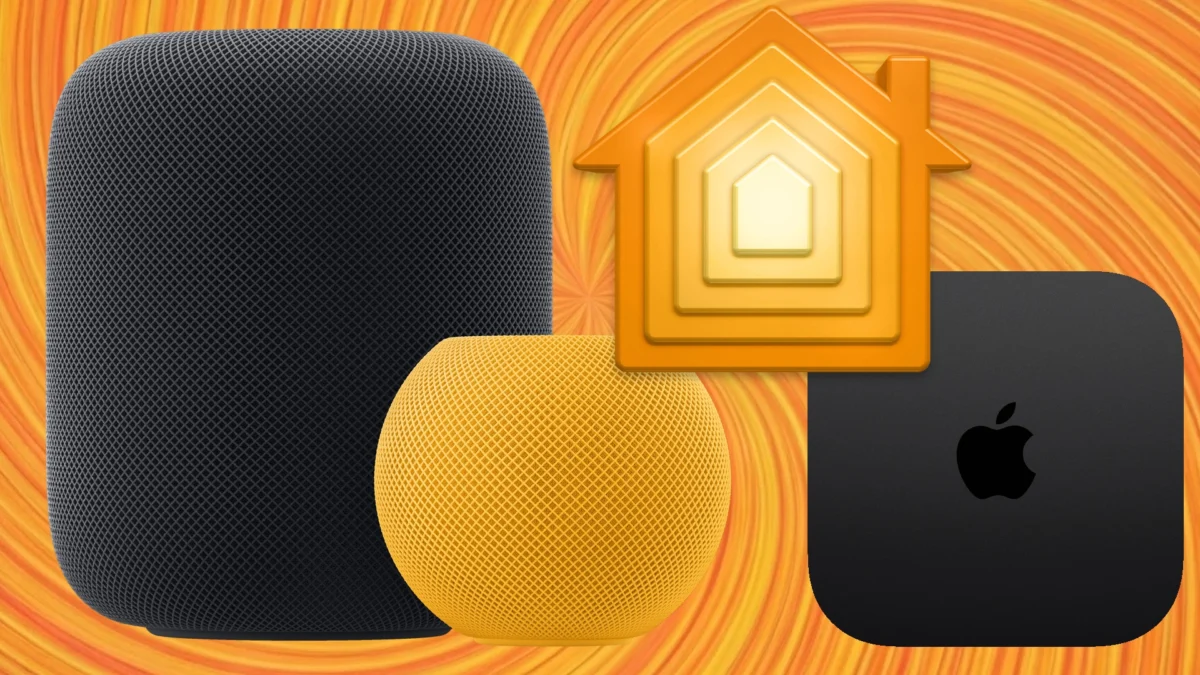
Apple is reportedly making significant preparations within its retail stores, signaling an ambitious expansion into the smart home market. This strategic shift, detailed by prominent tech journalist Mark Gurman in Bloomberg’s Power On newsletter, involves a substantial reworking of the in-store customer experience, particularly within sections designated as "Avenues." These areas, traditionally used to showcase accessories and devices outside of Apple’s core iPhone, iPad, and Mac product lines, are undergoing a significant overhaul. The scale of these planned retail modifications suggests a commitment to a new wave of smart home innovations, moving beyond incremental updates and pointing towards the long-rumored Home Hub device, a potential cornerstone of Apple’s integrated smart home ecosystem.
Retail Revamp: A Foundation for Smart Home Dominance
The adjustments to Apple’s retail "Avenues" are more than just aesthetic refreshes; they represent a strategic reallocation of space and focus. Gurman’s reporting indicates that these areas are being expanded and reconfigured to accommodate a broader and more prominent display of smart home products. This implies a deliberate effort to educate consumers about Apple’s vision for a connected home and to provide a more immersive experience for exploring these new devices. Historically, Apple’s retail strategy has been instrumental in driving adoption of its products, from the initial iPhone launch to the proliferation of the Apple Watch. By dedicating more prime real estate to smart home offerings, Apple aims to replicate this success and establish a strong foothold in a rapidly growing market. The smart home market, projected to reach over $200 billion globally by 2025, according to Statista, presents a significant opportunity for Apple to leverage its established brand loyalty and ecosystem. The company’s past success with products like the HomePod and HomeKit framework suggests a latent demand for a more integrated and user-friendly smart home experience, which this retail push aims to catalyze.
The Unveiling of the Home Hub: A Centralized Smart Home Control Point
At the heart of this anticipated smart home push is the rumored Home Hub, a device that has been the subject of speculation for years. Gurman’s report strongly suggests that the increased retail space is being prepared to prominently feature this new product category. The Home Hub is envisioned as a central nexus for Apple’s smart home network, designed to simplify control and interaction with a wide array of connected devices. This aligns with Apple’s broader philosophy of creating seamless and intuitive user experiences across its product portfolio.
The Home Hub is reportedly set to arrive in at least two distinct physical forms. One iteration is described as a display unit mounted on a half-dome base, suggesting a countertop or shelf-placement design. The second version is rumored to feature a magnetic attachment system, allowing it to be affixed to wall mounts and plinths, offering greater flexibility in placement and integration within a home’s existing architecture. Both are expected to boast a 7-inch square screen, a significant upgrade in visual real estate compared to current smart display offerings. This display is intended to serve multiple functions: providing intuitive control over smart home devices, offering a platform for displaying notes and calendar events, and doubling as a sophisticated digital picture frame, further embedding the device into the daily lives of users.
Beyond its core display and control functions, the Home Hub is tipped to incorporate advanced communication and security features. It is expected to operate as a home intercom system, facilitating communication between different rooms or family members. The integration of security camera footage viewing on the Home Hub’s screen would offer a centralized point for home monitoring. Furthermore, its utility as a control point for smart locks would enhance home security management. The inclusion of a built-in camera also opens the door for FaceTime calls, transforming the Home Hub into a versatile communication and control center within the home. This multi-faceted approach to the Home Hub’s functionality underscores Apple’s ambition to create a truly integrated and indispensable smart home device.
HomePod Mini and Apple TV Refresh: Enhancing the Existing Ecosystem
Complementing the introduction of the Home Hub, Apple is also reportedly preparing updates to its existing smart home hardware. The HomePod mini, Apple’s more compact smart speaker, is expected to receive internal upgrades rather than a significant visual redesign. These enhancements are anticipated to focus on bolstering its AI capabilities, specifically by integrating more advanced Siri features. Furthermore, the HomePod mini could see connectivity upgrades, potentially including support for Wi-Fi 7 and Bluetooth 6. These advancements would translate to a faster and more robust home network, crucial for the seamless operation of multiple smart devices.
The Apple TV 4K is also slated for an internal refresh, with speculation pointing to an upgrade to the A17 Pro chip or a newer iteration. This processing power boost would not only enhance the streaming experience but, more significantly, would enable the integration of Siri AI features directly into the device, mirroring the anticipated upgrades for the HomePod mini. Notably, this internal upgrade is not expected to alter the Apple TV 4K’s external design. Alongside the device itself, separate leaks suggest a redesigned Siri Remote, although the specific changes to this accessory remain undisclosed. These refreshes to the HomePod mini and Apple TV 4K demonstrate Apple’s commitment to refining and strengthening its current smart home offerings, ensuring they are capable of supporting the expanded ecosystem driven by the new Home Hub.
Timeline and Anticipated Launch Window
While Apple has remained tight-lipped regarding official pricing, availability, and specific launch dates for these new products, industry analysts and insiders anticipate a significant announcement in the coming months. The preparations within retail stores, coupled with the consistent flow of leaks and reports, suggest that a launch window in the autumn of the current year is highly probable. This timing would align with Apple’s typical product release cycles, particularly for hardware announcements that often precede the holiday shopping season. Further details are expected to emerge as the anticipated release window draws nearer, providing a clearer picture of Apple’s definitive strategy for its smart home future.
Strategic Implications and Market Impact
The intensified focus on smart home products represents a significant strategic pivot for Apple. While the company has always maintained a presence in this market, its efforts have often been perceived as more measured compared to competitors like Amazon and Google. This new wave of product introductions and retail emphasis suggests a more aggressive stance, aiming to capture a larger share of the burgeoning smart home market.
By leveraging its strong brand equity, loyal customer base, and integrated ecosystem, Apple is well-positioned to challenge existing market leaders. The emphasis on privacy, a key differentiator for Apple, is likely to be a significant selling point for its smart home devices, addressing growing consumer concerns about data security in connected homes. The Home Hub, in particular, could serve as a critical device for consolidating Apple’s smart home strategy, offering a unified and secure platform that differentiates itself from the more fragmented offerings of its rivals.
The success of this smart home push will hinge on several factors. Firstly, the pricing of the new devices will be crucial, especially considering the premium nature of Apple’s products. Secondly, the seamless integration and ease of use of the Home Hub and its associated devices will be paramount. Finally, Apple’s ability to foster a robust developer ecosystem for its HomeKit platform will be essential for expanding the range of compatible smart home accessories and services. The retail store changes are a clear indication that Apple is investing heavily in consumer education and hands-on experience, aiming to demystify smart home technology and showcase the tangible benefits of its integrated approach. This move could redefine the smart home landscape, potentially elevating user expectations for privacy, simplicity, and sophisticated integration.

