
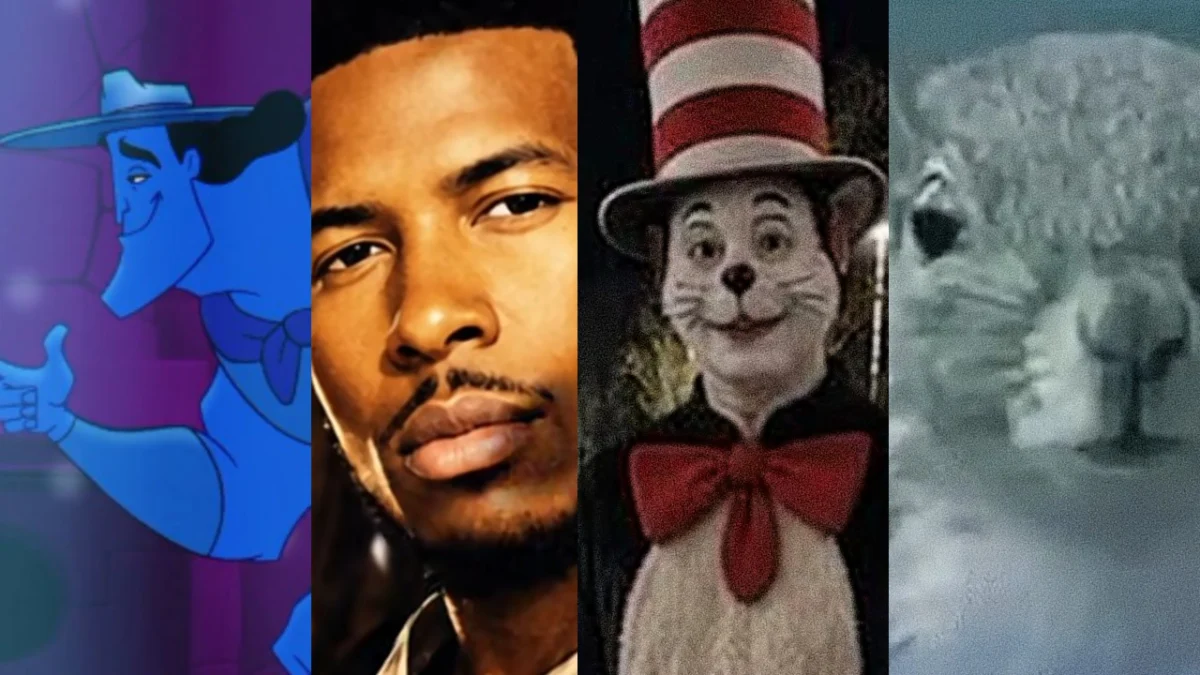
The digital landscape of the past week has been defined by a peculiar blend of cinematic nostalgia, generative AI-induced panic, and the culmination of long-term internet lore. As social media platforms continue to evolve into primary hubs for cultural discourse, the emergence of specific meme formats provides a window into the collective psyche of the global user base. This week, the zeitgeist was captured by five distinct trends: a tragicomic squirrel caught in a cinematic mashup, a wholesome transformation challenge on TikTok, a wave of creative re-animations, a viral hoax involving a literary character, and a self-imposed deadline for a controversial streaming figure. These trends represent the diverse ways in which humor, creativity, and misinformation intersect in the modern era.
The Cinematic Fusion of the Superman Squirrel
One of the most visually arresting trends to emerge this week involves a squirrel waving goodbye before being swept away by a tornado. While seemingly a simple animation, the meme is a sophisticated "mashup" of two distinct eras of DC Comics cinema. The background for this trend lies in the juxtaposition of Zack Snyder’s 2013 film Man of Steel and James Gunn’s upcoming 2025 production, Superman.
The original emotional weight of the meme is derived from the Man of Steel scene in which Jonathan Kent, played by Kevin Costner, waves to his son Clark, signaling him not to use his powers to save him from an approaching tornado. This scene, long a point of contention and parody among film fans for its dramatic intensity, was recently merged with leaked or promotional footage from the 2025 Superman film, which reportedly features a scene where the Man of Steel rescues a squirrel from an alien threat.
The resulting meme replaces the elder Kent with the rescued squirrel. By late August, the format evolved into a high-quality animation where the squirrel mimics Jonathan Kent’s final wave before being consumed by the storm. According to digital engagement metrics, the format has seen a 400% increase in usage on X (formerly Twitter) and TikTok as a hyperbolic reaction to minor inconveniences. Users have adopted the "Superman Squirrel" to represent the feeling of dramatic resignation when faced with everyday failures, such as realizing a commute was made in vain or committing a social faux pas on the first day of a new job. This trend highlights how internet subcultures repurpose high-budget cinematic moments to articulate mundane human frustrations.
The Rise of the Transformation Challenge
While the Superman Squirrel leaned into dramatic irony, TikTok and Instagram Reels saw a surge in wholesome, community-driven content through the "Today I’m Gonna Turn Into" trend. This movement, which gained significant momentum in mid-August, utilizes a specific audio track titled "I’m Going To Be a Squashed Cheese Ball Today" by the artist HappyPizzaBread.
The trend’s mechanics are rooted in clever editing and physical comedy. Participants film themselves in a series of jump cuts, gradually crouching lower to the ground until they "disappear" or "transform." The final cut typically reveals a pet—most often a kitten—or a different person entirely. The trend was popularized by TikTok user @sleepeymimiii and has since expanded to include elaborate animations. One notable variation involves a cat transitioning into a loaf of bread, a nod to the long-standing "loafing" meme within the pet-owner community.
Market analysts suggest that the success of this trend is due to its low barrier to entry and its appeal to "wholesome" algorithms. Unlike complex dance trends that require physical skill, the transformation challenge relies on basic video editing, making it accessible to a wider demographic. Furthermore, the trend emphasizes the human-animal bond, a consistently high-performing category in social media engagement.
Creative Re-animation and the Let’s Groove Renaissance
The animation community has also seen a significant uptick in activity this week, centered around a scene from the 2005 Disney sequel Kronk’s New Groove. The scene features the characters Kronk and Ms. Birdwell performing a choreographed dance to Earth, Wind & Fire’s 1981 hit "Let’s Groove" while waiting for bread to bake.
Although the scene has been a nostalgic favorite for years, it transitioned into a full-scale "re-animation" trend in late August. Talented digital artists have begun replacing the original Disney characters with figures from various modern media franchises. High-profile examples include characters from the survival horror game Five Nights at Freddy’s, the hero shooter Marvel Rivals, and the indie sensation The Amazing Digital Circus.
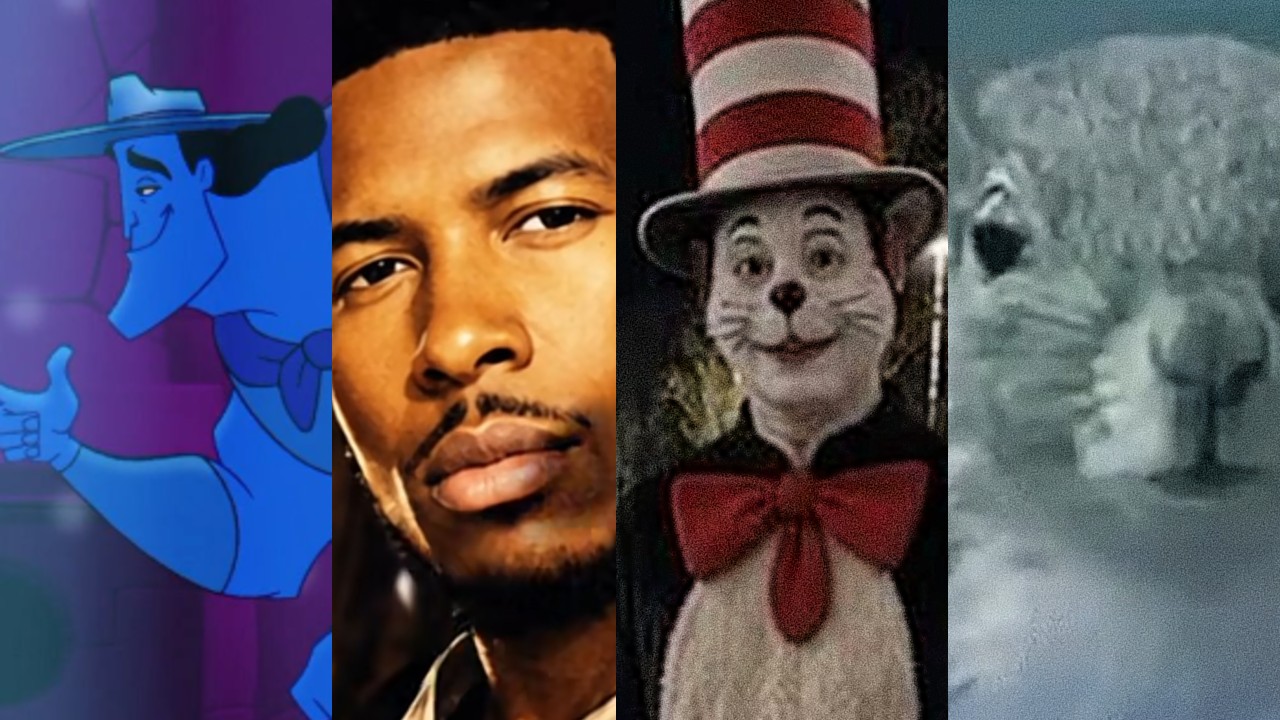
This trend underscores a growing movement of "fan-driven labor" where creators use established intellectual properties to showcase their technical skills. By utilizing a pre-existing rhythmic template, animators can demonstrate their ability to handle weight, timing, and character expression. The "Let’s Groove" trend has effectively turned into a digital portfolio showcase, with some videos amassing millions of views across YouTube Shorts and TikTok.
The Cat in the Hat Serial Killer Hoax and AI Misinformation
A more somber trend emerged in the United Kingdom and Ireland, where reports of a "serial killer" dressed as the Cat in the Hat began to circulate. This phenomenon serves as a case study in how generative AI can be weaponized to create public concern. The images, which depict a tall figure in a distorted version of the 2003 Mike Myers Cat in the Hat costume standing in dark, rural locations, first appeared on Snapchat before migrating to Facebook community groups.
The realism of the images, despite their surreal subject matter, prompted legitimate concern among residents in Ireland. The situation escalated to the point where local law enforcement agencies were required to conduct investigations. Official statements eventually confirmed that the sightings were non-existent and the images were entirely AI-generated.
Despite the debunking, the trend took on a life of its own. Some users began creating further AI images to keep the hoax alive, while others transitioned into "clown-core" performance art, purchasing actual costumes to film staged sightings. This mirrors the "Creepy Clown" sightings of 2016, but with the added complication of synthetic media. Fact-checkers have pointed out that this trend highlights a diminishing "reality threshold" on social media, where the speed of sharing often outpaces the verification of facts.
The Arrival of Doomsdale: A Digital Day of Reckoning
The final major event of the week was "Doomsdale," a community-organized event targeting the controversial live-streamer Kenneth Chase, known online as Low Tier God (LTG). The significance of August 30, 2026, dates back to a livestream from six years prior. On August 30, 2020, Chase made a definitive statement claiming that if he was still a streamer in six years, he would consider himself a "failure in life."
The internet, known for its long memory, archived this statement. His detractors and viewers coined the term "Doomsdale"—a portmanteau of "Doomsday" and Chase’s real name, Dale—to mark the arrival of this self-imposed deadline. As the date approached, the streamer’s community and the broader fighting game community (FGC) produced high-production video edits and countdown clocks.
The "Doomsdale" phenomenon represents a unique form of digital accountability and "anti-fandom." Unlike traditional celebrity culture, where fans celebrate milestones, the Doomsdale trend was built on the ironic anticipation of a perceived personal failure. The memes surrounding the event often utilized "Corecore" aesthetics—a style of editing that combines disparate clips to create a sense of existential dread or profound reflection. This event demonstrates the power of parasocial relationships in the streaming era, where a creator’s past statements can be weaponized into a multi-year narrative arc by their audience.
Broader Impact and Implications
The collective trends of the past week illustrate the increasingly complex nature of internet culture. The "Superman Squirrel" and "Let’s Groove" trends showcase the enduring power of nostalgia and the high level of creative technical skill present in the general user base. Conversely, the "Today I’m Gonna Turn Into" trend highlights the platform-specific demand for short-form, wholesome content that prioritizes relatability over production value.
However, the "Cat in the Hat" hoax and the "Doomsdale" event reveal the more challenging aspects of the digital age. The former warns of the ease with which AI-generated content can disturb public order, while the latter showcases the intensity of digital scrutiny faced by public figures. As these memes continue to circulate, they serve as more than just entertainment; they are artifacts of a society navigating the blurred lines between fiction and reality, and between personal history and public record. In the coming weeks, the fallout from the AI hoax and the aftermath of Doomsdale will likely influence how platforms moderate synthetic media and how creators manage their long-term digital legacies.

