
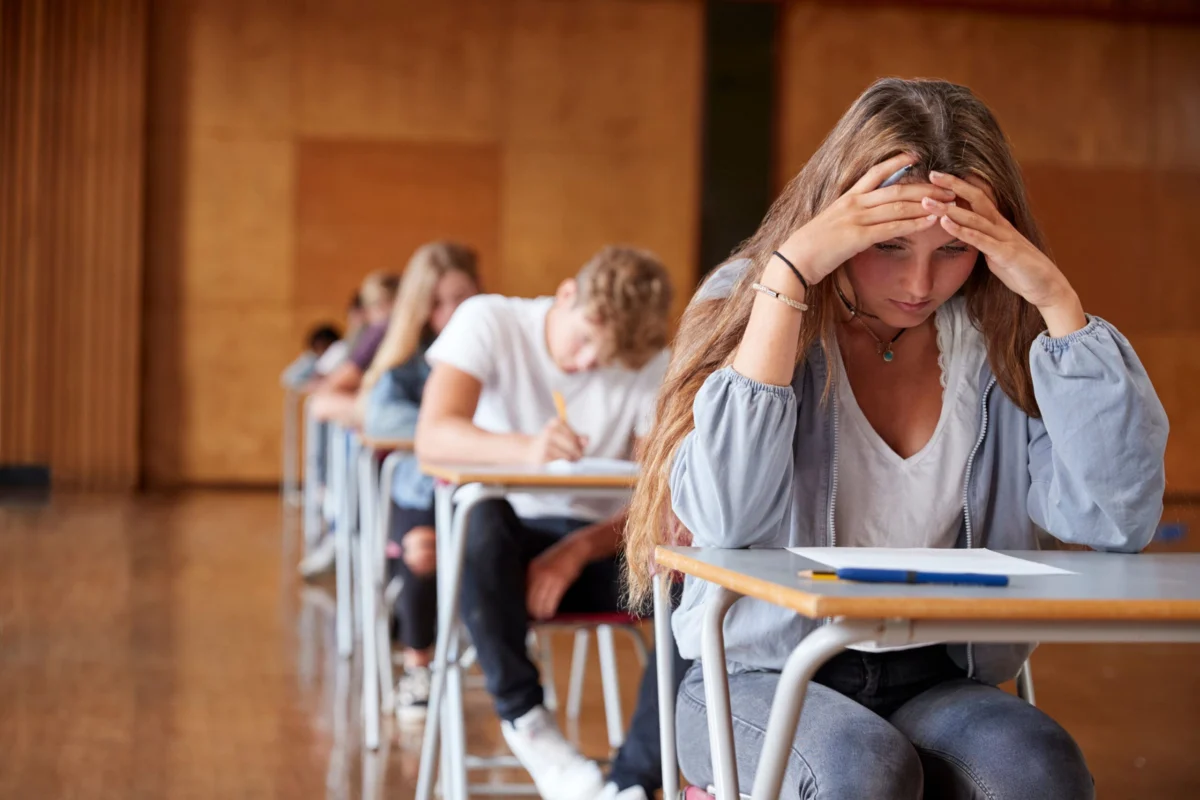
The escalating prevalence of school-related anxiety among adolescents has emerged as a critical public health and educational concern, necessitating a multi-faceted approach to identification, intervention, and support. This pervasive issue, characterized by heightened emotional, behavioral, and physical distress linked to academic, social, and performance pressures within the educational environment, significantly impacts student well-being and academic trajectories. As societal expectations, digital interactions, and post-pandemic adjustments continue to shape the adolescent experience, understanding the nuanced forms of school anxiety and implementing effective coping mechanisms and support systems becomes paramount for parents, educators, and mental health professionals alike.
The Alarming Rise of Adolescent Anxiety in Educational Settings
Recent years have witnessed a concerning surge in mental health challenges among young people, with school-related anxiety standing out as a primary driver. Data from the Centers for Disease Control and Prevention (CDC) and other mental health organizations consistently highlight an upward trend in reported anxiety symptoms among adolescents. For instance, a 2023 report from the Pew Research Center indicated that 68 percent of teens feel significant pressure to achieve good grades, underscoring the intense academic environment many navigate. This academic pressure is often compounded by a broader "toxic achievement culture," where success is narrowly defined by quantifiable metrics rather than holistic development.
This rise is not an isolated phenomenon but rather a confluence of several contributing factors. The increasingly competitive academic landscape, driven by university admission standards and parental expectations, places immense pressure on students from an early age. The ubiquity of social media has also introduced new layers of complexity, fostering environments of constant comparison, fear of missing out (FOMO), and cyberbullying, all of which contribute to social anxiety. Furthermore, the global COVID-19 pandemic significantly disrupted routines, isolated students, and created a lingering sense of uncertainty, exacerbating pre-existing vulnerabilities and introducing new stressors related to learning loss and reintegration. Educational experts and psychologists widely acknowledge that these systemic pressures, combined with individual predispositions, create fertile ground for anxiety to flourish within school contexts.
Recognizing the Manifestations of School-Related Distress
Identifying school anxiety often requires keen observation, as its presentation can be varied and, at times, deceptive. Adolescents may not always explicitly articulate their feelings of stress or overwhelm; instead, their distress might manifest through shifts in behavior, emotional regulation, or even physical health.
Key Indicators of School Anxiety Include:
- Behavioral Changes: A noticeable withdrawal from social activities, increased isolation, avoidance of school or specific classes, difficulty concentrating on homework, procrastination, or a sudden decline in academic performance. Some teens may exhibit defiance or what appears to be laziness, which can often be a coping mechanism for overwhelming anxiety.
- Emotional Responses: Increased irritability, mood swings, persistent sadness, feelings of hopelessness, excessive worrying about school-related matters, panic attacks, or expressions of feeling "stressed" or "overwhelmed."
- Physical Symptoms: Frequent headaches, stomach aches, nausea, changes in appetite or sleep patterns (insomnia or excessive sleeping), fatigue, or unexplained body aches, particularly before school or significant academic events.
Recognizing these signs is the foundational step for parents and guardians in understanding how to assist a child grappling with school anxiety. Early identification allows for timely intervention and the development of tailored coping strategies that align with the specific nature of the stressor.
Categorizing School Anxiety: A Deeper Dive into Specific Stressors
While school anxiety can present as a general feeling of unease, it often coalesces into distinct categories, each requiring specific understanding and intervention strategies. Leading mental health professionals typically delineate three primary types: academic stress, social anxiety, and performance anxiety.
1. Academic School Stress
Academic school stress stems from the pressure to perform well in studies and can manifest in various ways, from perfectionism and chronic procrastination to tangible physical symptoms like headaches before examinations. This type of anxiety is frequently fueled by the pressure to maintain parity with peers, meet high parental or self-imposed expectations, and navigate the often-intense academic culture of schools.
Key Characteristics of Academic Stress:
- Perfectionism: An unrelenting drive to achieve flawlessness, often leading to excessive time spent on tasks and profound distress over minor errors.
- Procrastination: Delaying tasks due to fear of failure or inadequacy, which paradoxically increases stress as deadlines approach.
- Physical Symptoms: Manifestations such as tension headaches, stomach upset, or sleep disturbances, particularly pronounced during exam periods or before major assignments.
The Pew Research Center’s finding that nearly seven out of ten teens feel immense pressure for good grades underscores the pervasive nature of this stressor. Academic anxiety arises when the perceived burden of achievement outweighs intrinsic motivation, transforming learning into a source of dread rather than engagement.
Strategies for Addressing Academic and Test Stress:
For parents, effective communication and modeling resilience are crucial. Instead of generic encouragement like, "Do your best," a more impactful approach focuses on effort and preparation: "You’ve dedicated significant time and studied diligently." This validates their hard work, shifting the emphasis from an outcome they cannot fully control to the effort they can.
- Reality-Checking Fears: Engaging in a dialogue about potential worst-case scenarios, such as "What’s the worst that could happen if this test doesn’t go as planned?" and collaboratively brainstorming solutions, can significantly reduce anxiety. This therapeutic technique, widely employed by psychologists, helps externalize fears and develop contingency plans.
- Fostering a Relaxed Mindset: Simple affirmations like, "You know more than you think. Start with what you know and build from there," can empower teens to approach challenges with greater confidence and reduced apprehension.
Coping Skills for Academically Stressed Teens:
Empowering adolescents with practical coping skills is fundamental.
- Task Breakdown: Decomposing large, daunting assignments into smaller, manageable steps can make overwhelming tasks appear less formidable and foster a sense of progress.
- Resilience Modeling: Parents can model healthy responses to setbacks, demonstrating that mistakes are opportunities for learning rather than failures. Sharing personal experiences of overcoming challenges can be particularly impactful.
- Prioritization Techniques: Teaching time management and prioritization skills helps teens organize their workload, reduce feelings of being overwhelmed, and allocate energy effectively.
These practical strategies provide tangible tools for adolescents to navigate academic pressures and for parents to offer meaningful support.
2. Social Anxiety School Stress
Social anxiety in the school environment manifests as intense apprehension about social interactions, often leading to avoidance behaviors and preoccupation with peer perception. This can include shying away from group activities, constantly worrying about how others perceive them, or obsessively checking their phone for social cues or validation. At its core, social anxiety is characterized by a profound fear of judgment, rejection, or embarrassment. The emotional toll on socially anxious teens is considerable, as the constant effort to appear "normal" or "okay" throughout the school day often leaves them emotionally depleted.
Key Manifestations of Social Anxiety:
- Avoidance: Actively sidestepping social gatherings, school clubs, or even classroom participation where interaction is required.
- Obsessive Worry: Continuous rumination about past social interactions or anticipation of future ones, often replaying scenarios in their mind.
- Social Media Preoccupation: Excessive monitoring of online platforms, driven by a need for validation or a fear of being excluded.
Communicating with Teens About Friendship Stress:
Empathy and validation are paramount when addressing a teen’s social anxieties. Minimizing their feelings with phrases like, "You won’t even remember this in a few years," can be counterproductive, invalidating their current emotional experience. Instead, a supportive approach involves:
- Empathetic Listening: Acknowledging their distress with statements such as, "It sounds like that conversation really upset you."
- Offering Choices: Empowering them by asking, "Do you want to talk about it, or would you prefer some space first?" or "How would you like to handle this situation?" This provides a sense of control in an often overwhelming situation.
Building Social Confidence in Adolescents:
Fostering social confidence involves encouraging low-stakes social risks and helping teens manage their online environment.
- Low-Stakes Social Engagement: Suggesting participation in activities that require minimal initial social investment, such as joining a hobby-based club, initiating a study group, or inviting a single friend for a casual outing after school. These small steps can build confidence gradually.
- Managing Online Spaces: Research, including studies published in journals like ScienceDirect, consistently demonstrates a correlation between passive social media scrolling and online comparison with increased anxiety in teens. Encouraging critical evaluation of their digital consumption by asking, "Which accounts make you feel worse about yourself? What if you unfollowed them for a week?" can help curate a healthier online experience.
3. Performance Anxiety School Stress
Performance anxiety manifests when the fear of being scrutinized or judged overwhelms an individual during situations requiring public display of skills or abilities. This can occur in diverse contexts, from delivering a classroom presentation or competing in a sporting event to performing in a school play or musical recital. Signs of performance anxiety can be severe, including a sudden desire to abandon activities previously enjoyed, engaging in obsessive practice beyond healthy limits, or experiencing full-blown panic attacks before or during the performance.
Key Indicators of Performance Anxiety:
- Withdrawal from Cherished Activities: Losing interest or expressing a desire to quit activities they once loved due to the pressure of performance.
- Excessive Practice: An unhealthy obsession with rehearsal, often driven by a fear of making mistakes rather than a love for the activity.
- Physiological Symptoms: Experiencing symptoms like rapid heart rate, shortness of breath, trembling, or nausea before a performance, sometimes escalating to panic attacks.
Easing Performance Pressure Through Communication:
Parents can play a vital role in easing performance pressure by balancing encouragement with a realistic perspective and normalizing feelings of nervousness.
- Balanced Encouragement: Instead of broad assurances like, "You’ll do great," which can inadvertently add pressure to be flawless, more nuanced statements are effective: "You’ve put in the work. You’re ready. If something unexpected happens, you’ll handle it." This acknowledges effort while also preparing for potential imperfections.
- Normalizing Nerves: Reminding teens that "Even professionals experience pre-performance jitters" helps validate their feelings and reduces the stigma often associated with anxiety.
Effective Coping Skills for Performance Anxiety:
Empowering teens with specific coping mechanisms can significantly mitigate performance-related stress.
- Visualization Techniques: Encouraging teens to mentally rehearse success, vividly imagining themselves performing well and confidently, can build self-efficacy and reduce anticipatory anxiety.
- Strategic Practice: Guiding them to practice effectively without overdoing it. Over-practicing can lead to burnout and increased anxiety. The focus should be on quality, not just quantity, of preparation.
- Breathing Techniques: Simple diaphragmatic breathing exercises can be profoundly effective in calming the nervous system, reducing physiological symptoms of anxiety, and fostering a sense of control in stressful moments. Practicing these regularly can make them second nature during high-pressure situations.
The Role of Support Systems: Parents, Schools, and Communities
Addressing the multifaceted challenge of teen school anxiety requires a collaborative effort from various support systems.
- Parental Guidance: Parents are often the first line of defense. Their role extends beyond mere recognition of symptoms to actively listening, validating emotions, and guiding their teens toward developing robust coping skills. Creating a home environment that prioritizes emotional well-being over solely academic achievement is crucial.
- School Initiatives: Educational institutions bear a significant responsibility in fostering a supportive environment. This includes providing accessible mental health resources such as school counselors, psychologists, and social workers. Implementing stress-reduction programs, mindfulness initiatives, and peer support groups can equip students with tools to manage anxiety proactively. Furthermore, educators can be trained to recognize signs of distress and integrate mental wellness into the curriculum.
- Community Involvement: Broader community resources, including local mental health clinics, youth centers, and non-profit organizations, offer additional layers of support. These can provide therapy, support groups, and educational workshops for both teens and parents, ensuring that families have access to a comprehensive network of care.
Statements from educational leaders and mental health advocates consistently emphasize the need for integrated support. Dr. Sarah Miller, a child psychologist specializing in adolescent development, notes, "Schools are uniquely positioned to identify students at risk and provide early intervention. A holistic approach, integrating mental health literacy into daily school life, is no longer optional but essential."
When Professional Intervention Becomes Necessary
While parental support and school-based initiatives are invaluable, there are instances when professional psychological or psychiatric intervention becomes indispensable. Recognizing these thresholds is a critical aspect of knowing how to help a child with anxiety about school.
Key Indicators for Seeking Professional Help Include:
- Interference with Daily Functioning: If anxiety consistently prevents a teen from attending school, participating in activities, maintaining friendships, or performing basic daily tasks.
- Persistent Physical Symptoms: When physical manifestations of anxiety, such as chronic headaches, stomach issues, or sleep disturbances, do not abate with home remedies or support.
- Thoughts of Self-Harm or Hopelessness: Any expression of self-harm ideation, suicidal thoughts, or pervasive feelings of hopelessness warrants immediate professional evaluation.
- Lack of Improvement: If parental support, school interventions, and adopted coping strategies do not lead to noticeable improvement in the teen’s anxiety over a reasonable period.
Professional help can encompass various modalities, including cognitive-behavioral therapy (CBT), dialectical behavior therapy (DBT), family therapy, or, in some cases, medication managed by a psychiatrist. Early intervention by qualified professionals can prevent anxiety from escalating into more severe mental health conditions and significantly improve a teen’s long-term prognosis.
Long-Term Implications and Future Outlook
The unaddressed escalation of teen school anxiety carries significant long-term implications, not only for individual students but also for the broader educational system and societal well-being. Chronic anxiety can impede academic achievement, hinder social development, and predispose individuals to other mental health disorders in adulthood, including depression and generalized anxiety disorder.
From an educational perspective, a student body overwhelmed by anxiety is less engaged, less creative, and less likely to thrive. This necessitates systemic changes within education, including a re-evaluation of curricula, assessment methods, and the overall competitive ethos that often permeates schooling. Policy initiatives promoting mental health literacy, universal screening for anxiety, and increased funding for school-based mental health services are critical steps toward building a more supportive and resilient educational environment.
Ongoing research continues to deepen our understanding of adolescent mental health, providing new insights into preventative measures and effective treatments. As awareness grows, there is an increasing call for a societal shift towards valuing well-being alongside academic excellence. This involves fostering environments where adolescents feel safe to express their vulnerabilities, seek help without stigma, and develop the emotional resilience needed to navigate the complexities of modern life.
In conclusion, the challenge of teen school anxiety is complex and pervasive, demanding a concerted, compassionate, and evidence-based response. By understanding its diverse manifestations, implementing targeted support strategies, and recognizing when professional help is required, parents, educators, and communities can collectively work towards mitigating this crisis, fostering environments where adolescents can thrive academically, socially, and emotionally. The journey to support anxious teens is ongoing, requiring patience, empathy, and a commitment to their holistic well-being.

