
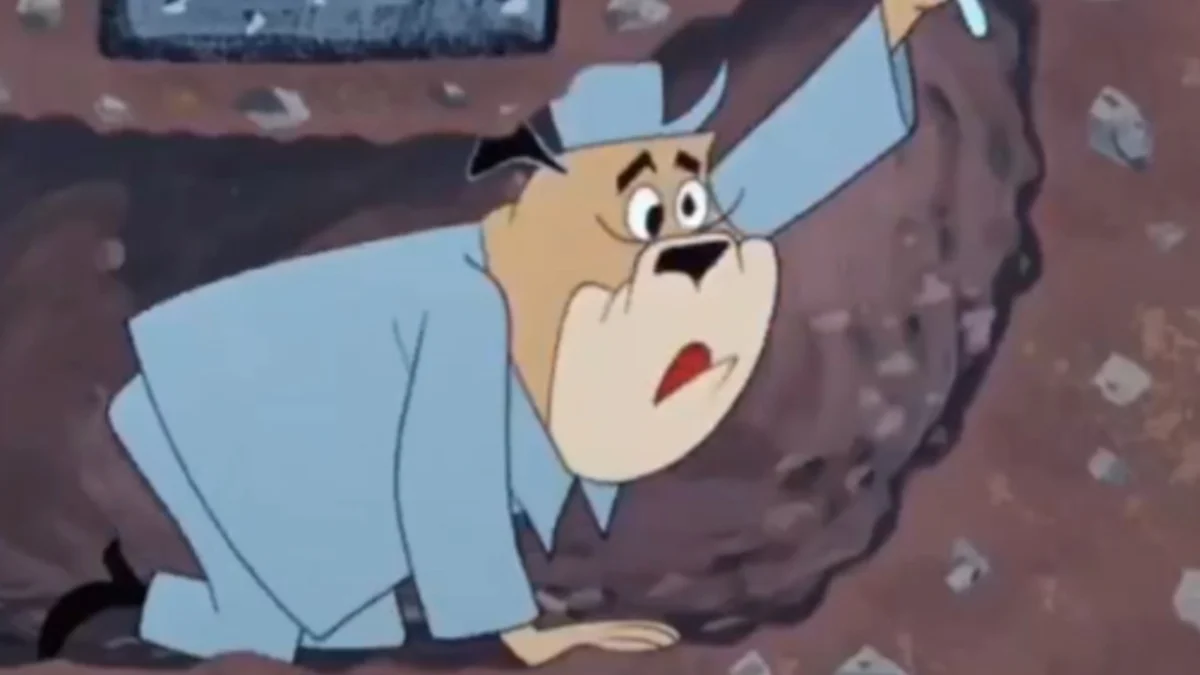
Cellbound, a seminal animated short film released in 1955 by Metro-Goldwyn-Mayer (MGM) Cartoons, has experienced an unprecedented cultural renaissance in late 2026, transitioning from a historical footnote in the Golden Age of animation to a dominant fixture of contemporary internet culture. Directed by the legendary Tex Avery, the cartoon features Spike, an anthropomorphic Irish bulldog, in a high-stakes yet slapstick-laden attempt to escape from Sing Song Prison. While originally recognized as Avery’s final production for MGM, the short has recently been rebranded by social media users as "the only cartoon ever made," a hyperbolic moniker reflecting its ubiquitous presence across digital platforms and its peculiar resonance with modern audiences.
Historical Context and Production Background
Released on November 25, 1955, Cellbound represents the conclusion of an era for MGM’s animation department. The short was produced during a transitional period for the studio, as the traditional theatrical cartoon model began to face pressure from the rising popularity of television. Tex Avery, renowned for his work at Warner Bros. where he helped define the personalities of Bugs Bunny and Daffy Duck, had spent over a decade at MGM refining a style characterized by extreme exaggeration, breaking the fourth wall, and frantic pacing.
The protagonist of Cellbound is Spike, sometimes referred to as Butch, a recurring character in Avery’s filmography. Spike is portrayed as a rugged, determined, yet often ill-fated figure. In this specific short, Spike is depicted as a prisoner who has spent 20 years meticulously digging a tunnel out of his cell using nothing but a spoon. The title itself is a linguistic play on the 1945 Alfred Hitchcock psychological thriller Spellbound, a common naming convention for cartoons of the era which often parodied popular cinema.
The animation in Cellbound showcases the peak of the "Avery style." It utilizes "smear frames" and squash-and-stretch techniques to emphasize the physical exertion of Spike’s escape. Despite the high quality of the animation, the short was released as the studio system was beginning to contract, making its eventual status as a digital icon in 2026 an unexpected turn in animation history.
The 2026 Digital Resurgence: A Chronology
The transition of Cellbound from an archival piece to a viral phenomenon began in September 2026. The resurgence was not triggered by a formal anniversary or a studio re-release, but rather by the organic mechanics of social media algorithms on X (formerly Twitter).
On September 22, 2024, the user @funcartun shared a specific clip of Spike digging through the prison floor. The post was captioned, "Kids today don’t understand this level of vibe," tapping into a prevailing sense of digital nostalgia. This initial post garnered over 10,000 likes within two months, signaling a renewed interest in the rhythmic, repetitive nature of the animation.
The momentum accelerated on October 13, 2026, when the account @Withoutcapt reposted the same digging sequence. This iteration of the clip achieved broader reach, securing 24,000 likes in thirty days. The frequency of these reposts led to a meta-commentary within the animation community. On October 14, user @benzenefield quoted the viral video with the rhetorical question, "is there not any other clip of this cartoon," a post that itself went viral with 39,000 likes.
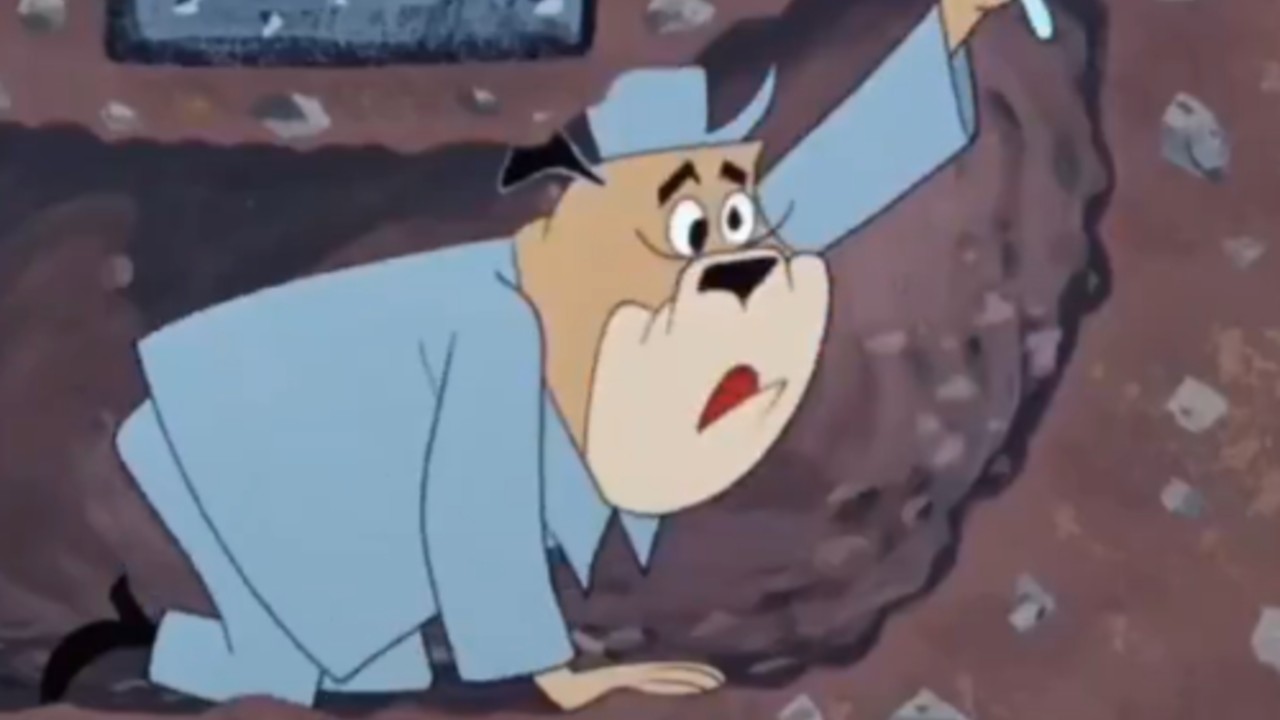
By November 2026, the repetition had reached a critical mass. The internet community, embracing the irony of seeing the same twenty-second clip daily, began referring to Cellbound as "the only cartoon ever made." This phrase served as both a critique of repetitive social media content and a genuine endorsement of the cartoon’s enduring entertainment value.
Analytical Breakdown of "The Only Cartoon Ever Made"
The "Only Cartoon" meme represents a unique intersection of irony and genuine appreciation. Media analysts suggest that the phenomenon is a reaction to the oversaturation of modern, AI-generated, or low-effort digital content. By elevating a 1955 Tex Avery short to the status of the "only" cartoon, users are making a statement on the craftsmanship of the hand-drawn era.
The specific clip of Spike digging with a spoon is particularly effective in short-form video formats. The rhythmic clinking of the spoon against the stone, the determined expression on Spike’s face, and the sheer absurdity of the physical task create a "loopable" quality that aligns with the viewing habits of 2026. This "vibe-centric" consumption prioritizes atmosphere and kinetic energy over narrative complexity.
Furthermore, the meme evolved to include fabricated "found media." On November 9, 2026, user @BoggerLogger shared what was purported to be concept art for "the only cartoon ever made," gaining 15,000 likes. The following day, user @mikomoonrider posted a sophisticated mock-up of a fictional Game Boy game based on Cellbound, complete with period-accurate box art. These creative outputs indicate that the meme has moved beyond mere reposting into a phase of active fan participation and world-building.
Artistic and Technical Legacy
From a technical standpoint, Cellbound is a masterclass in comedic timing. Tex Avery’s direction focuses on the "slow build" followed by a "rapid payoff." The sequence where Spike finally emerges from his tunnel only to find himself in the warden’s office—specifically inside the warden’s television set—is a classic example of Avery’s subversion of space and logic.
The 2026 virality has led to a surge in fan art. On November 10, artist @ElSecondLin posted an original illustration of Spike, which received over 20,000 likes. Modern animators have also begun analyzing the short’s technical merits. On November 11, @thepeakestdude released a "looping edit" of the digging scene, highlighting the seamless transitions and the weight of the character’s movements. This technical appreciation from the professional community has added a layer of legitimacy to the meme, ensuring it is seen as more than just a passing internet joke.
Broader Implications for Animation Preservation
The Cellbound phenomenon highlights a significant shift in how historical media is preserved and accessed in the 21st century. While traditional archives and museums play a crucial role, the "living archive" of social media has proven to be a powerful tool for cultural rediscovery.
The fact that a 71-year-old cartoon can dominate social media discourse in 2026 suggests that the appeal of the Golden Age of animation is universal and timeless. It also raises questions regarding copyright and the "fair use" of archival footage in the age of viral memes. As clips of Cellbound continue to circulate, they serve as a de facto advertisement for the MGM library, potentially prompting streaming services to prioritize the restoration and availability of Avery’s entire catalog.
Moreover, the "Only Cartoon" moniker suggests a consolidation of cultural focus. In an era where media is fragmented across countless platforms, a singular piece of content that everyone "agrees" to watch and meme creates a sense of digital community. Spike the bulldog has become an unlikely mascot for this collective experience, representing the struggle, the repetition, and the ultimate absurdity of the modern digital grind.
Conclusion
Cellbound’s journey from a 1955 theatrical short to the "only cartoon ever made" in 2026 is a testament to the enduring power of Tex Avery’s vision. Through the lens of modern irony and digital nostalgia, a new generation has discovered the craftsmanship of the MGM animation department. While the meme may eventually fade, the renewed interest in Cellbound has secured its place in the modern canon of animation. It stands as a reminder that quality animation, characterized by expressive character work and impeccable timing, remains relevant regardless of the medium or the decade. As long as there are screens to fill and spoons to dig with, Spike’s futile yet hilarious escape attempt will likely continue to find an audience, proving that sometimes, one cartoon is indeed all a culture needs.

