
The pervasive nature of modern consumerism presents a significant challenge for parents aiming to instill values of gratitude and contentment in their children. In an era where online purchases arrive daily, and instant gratification is often the norm, the distinction between genuine needs and fleeting desires can become blurred for young minds. This environment necessitates a deliberate pedagogical shift, moving away from a focus on material acquisition towards an appreciation for experiences and intrinsic value. An illustrative example, where children found profound joy in a simple "spa bath" with cucumber water and dim lighting, completely disregarding a basket of expensive bath toys, underscores a crucial insight: children often value unique experiences over material possessions. This observation aligns with broader psychological research indicating that true happiness and satisfaction are more closely tied to meaningful experiences than to accumulating more "stuff."
The Modern Dilemma: Consumerism and Childhood Development
The contemporary landscape of childhood is markedly different from previous generations, heavily influenced by omnipresent advertising and the ease of online shopping. Children today are exposed to an unprecedented volume of marketing messages across various platforms, from television and video games to social media influencers. Studies by organizations like the American Psychological Association have highlighted that children, especially those under eight, lack the cognitive ability to understand the persuasive intent of advertising, making them particularly vulnerable to its influence. This constant barrage of messaging often equates happiness and social acceptance with the acquisition of new products, fostering a belief that "happiness is just one more purchase away."
This societal shift has tangible implications. Research from institutions such as the University of Missouri has linked materialism in children and adolescents to lower well-being, increased anxiety, and reduced generosity. The relentless pursuit of material possessions can lead to a perpetual state of dissatisfaction, as desires are constantly renewed and updated by market trends. Parents find themselves navigating a complex environment where resisting the tide of consumerism requires conscious effort and strategic approaches to parenting.
The Foundational Role of Contentment
Teaching children contentment is not merely about encouraging them to "get by with less"; it is about equipping them with a vital emotional regulation skill: the ability to recognize and process feelings without allowing them to dictate immediate actions. Contentment enables children to pause before succumbing to an impulse, to manage disappointment without emotional meltdown, and to exercise patience rather than demanding instant gratification. Without this crucial internal pause, children are more susceptible to the "I want it, therefore I need it" mentality, which can lead to a lifetime of impulsive decisions and chronic dissatisfaction.
Developmental psychologists emphasize that contentment is a cornerstone of emotional intelligence. It provides children with the tools to navigate setbacks on the playground, cope with academic pressures, and later, manage workplace stress and personal challenges decades into adulthood. The absence of this skill can manifest as an inability to cope with delayed rewards, a constant craving for novelty, and a reduced capacity for appreciating what is already present.
A landmark study from Stanford University, often referred to as the "Marshmallow Test," vividly demonstrated the long-term benefits of delayed gratification, a core component of contentment. Children who were able to resist the immediate temptation of one marshmallow in favor of receiving two later showed significantly better life outcomes. Follow-up studies revealed these individuals scored an average of 210 points higher on their SATs and exhibited a 32% lower obesity rate as adults. They also reported greater success in various life metrics, including educational attainment, financial stability, and resilience to stress. This evidence powerfully illustrates that the capacity to wait for a greater reward, rooted in contentment, is a predictor of future success and well-being, underscoring its critical role in child development.
Fostering Gratitude: Valuing Experiences Over Possessions
In a culture that often equates happiness with accumulating more possessions, empirical research consistently demonstrates that experiences, not material items, yield longer-lasting joy and contribute more significantly to overall well-being. A study published in the Journal of Personality and Social Psychology provided compelling evidence that experiential purchases do not trigger the same "comparison trap" inherent in material goods. When a child receives a new toy or a trendy item of clothing, there is almost always a "better" or more desirable version that a peer possesses, leading to feelings of inadequacy or envy. In contrast, an experience – whether a family hike, a concert, or a special outing – is inherently unique and personal. It creates memories that are not easily comparable or devalued by others’ possessions, fostering a deeper sense of satisfaction and appreciation.
Furthermore, studies from the Greater Good Science Center at the University of California, Berkeley, have detailed the numerous benefits of gratitude, including increased positive emotions, improved physical health, stronger relationships, and enhanced resilience. When children learn to appreciate what they have and the experiences they share, they develop a more optimistic outlook and a greater capacity for empathy.
Parental modeling plays an indispensable role in cultivating gratitude. Children are acutely observant; they absorb values and behaviors by watching their primary caregivers. When parents express genuine excitement for a family adventure over a new gadget, or verbalize sentiments like, "I’m so grateful we got to spend the afternoon together," they are effectively demonstrating what contentment and gratitude look like in practice. These consistent examples help children internalize the value of relationships and shared moments above material acquisition.
Practical Strategies for Cultivating Gratitude:
-
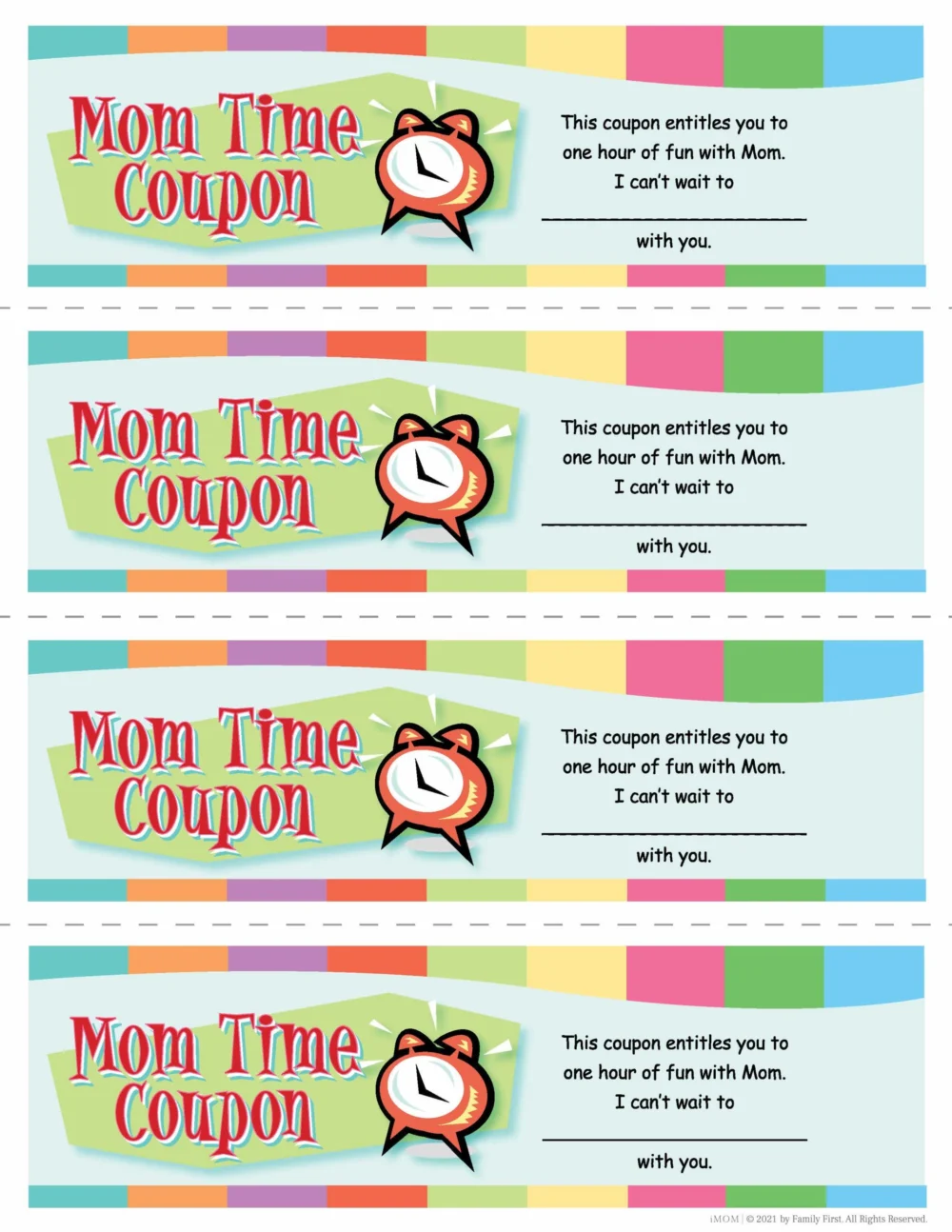
Prioritizing Experiential Gifting: Shifting the focus from tangible toys to memorable experiences for birthdays and holidays is a powerful teaching tool. Instead of defaulting to physical presents, consider gifting movie tickets presented in a decorated box, personalized "coupons" for special one-on-one time with a parent, or a written promise for an outdoor adventure like a geocaching trip. This approach teaches children to value anticipation, shared time, and the creation of lasting memories, thereby strengthening familial bonds over transient material gratification. The expectation and the shared experience itself become the cherished reward.
-
Implementing Daily Gratitude Practices: Regular conversations or journaling about gratitude can significantly enhance a child’s awareness of positive aspects in their lives. A simple yet effective method involves a shared "From Me to You" journal, where parents and children take turns writing about what they are grateful for each day. Encouraging children to elaborate on why something makes them happy – for example, "I’m grateful for our cozy living room because it’s where we snuggle and read stories" – helps them connect feelings to experiences and possessions, fostering deeper appreciation. This practice can be adapted to family dinner discussions or bedtime routines, transforming gratitude into a consistent, reflective habit.
Distinguishing Needs from Wants: A Core Life Skill
Teaching children the fundamental difference between needs and wants is crucial for developing financial literacy, responsible consumption habits, and effective impulse control. This distinction empowers children to pause and critically evaluate their desires, fostering the gift of anticipation where waiting becomes an integral part of the reward. At its heart, this lesson is about delayed gratification – understanding that some good things are worth waiting for, and not every desire requires immediate fulfillment.
Beyond the marshmallow experiment, a wealth of research confirms that the ability to delay gratification is a strong predictor of future success in various domains, including academic achievement, career progression, and personal relationships. It equips individuals with the self-control necessary to make prudent choices, resist impulsive spending, and work towards long-term goals.
Educational Approaches to Needs vs. Wants:
-
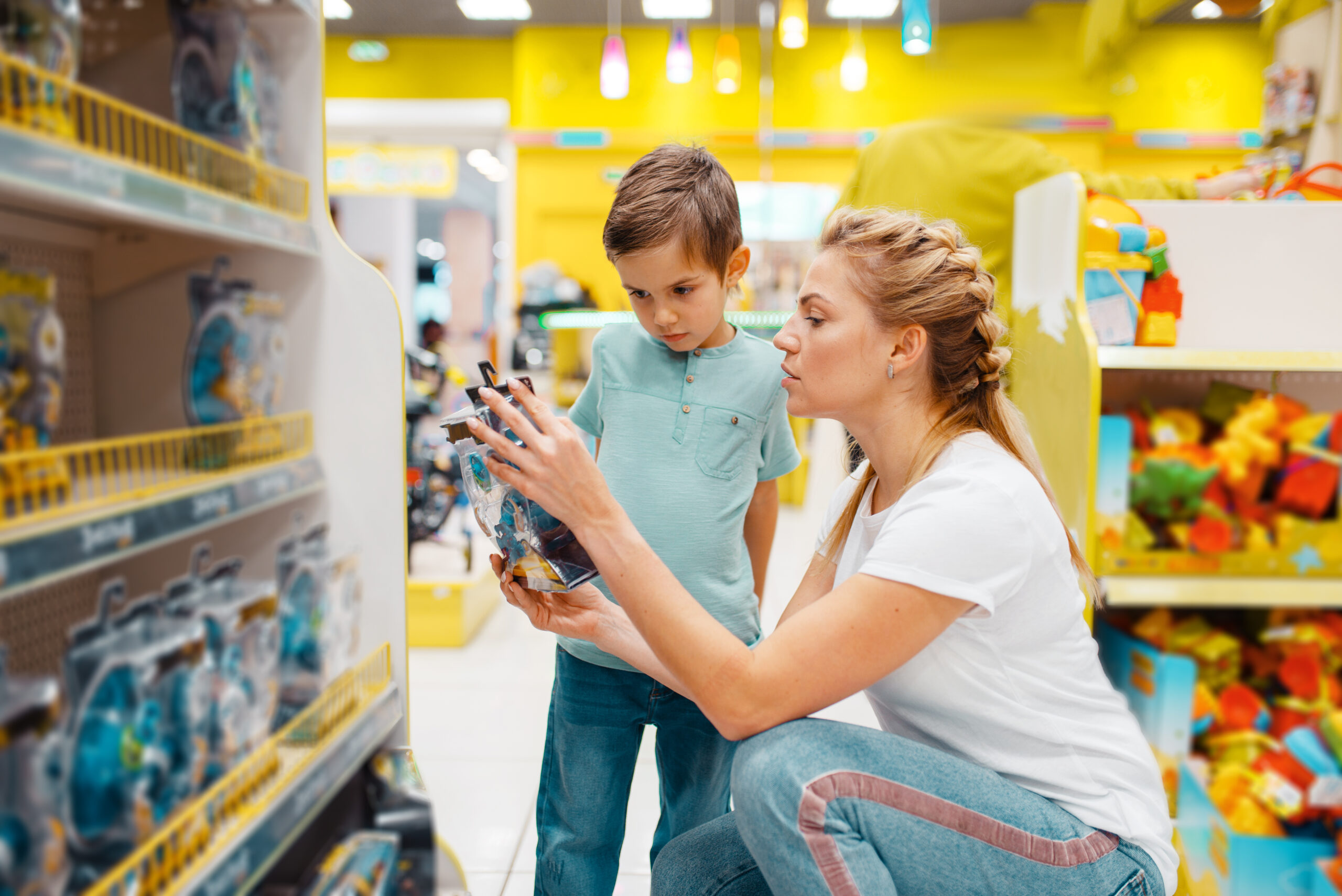
The "Need or Want" Shopping Game: Before entering a store, establish a clear rule: every item requested must be categorized as either a "need" or a "want." Needs are defined as essentials for health, safety, and comfort (e.g., food, appropriate clothing, shelter). Wants are non-essential extras that provide pleasure or convenience (e.g., toys, candy, fashionable accessories). Instead of an immediate "no" to a request, parents can engage children by asking them to categorize the item first. This collaborative exercise encourages critical thinking, helps children internalize the definitions, and reduces conflict by shifting the focus from parental denial to objective assessment. Resources like printable "Needs vs. Wants" discussion guides can further aid this process.
-
The 3-Day Rule: When a child expresses a desire for a non-essential item, implement the "3-Day Rule." Together, record the desired item and agree to revisit the request in three days. This simple waiting period serves multiple purposes: it builds patience, demonstrates that not all desires require immediate action, and often reveals the fleeting nature of many wants. After three days, if the child still genuinely desires the item, it opens a discussion about how to acquire it responsibly, such as saving money or waiting for a special occasion like a birthday. This practice teaches children the value of consideration and thoughtful decision-making over impulsive acquisition.
-
The Earn and Save System: Integrating an "Earn and Save System" through age-appropriate chores provides a tangible link between effort, delayed gratification, and financial literacy. By assigning tasks that align with their developmental stage, children can earn money which they can then save towards their "wants." This system not only teaches the value of money and the satisfaction of earning it but also reinforces the concept that desired items require effort and planning. It helps children understand that resources are finite and that responsible choices are necessary to achieve financial goals, thereby building a foundation for sound financial habits in adulthood.
The Power of Giving: Cultivating Empathy and Prosocial Behavior
The act of giving, often perceived as selfless, is profoundly beneficial for the giver, particularly in the context of child development. While parents might intuitively bag up old toys for donation when children aren’t looking to avoid conflict, research suggests this approach misses a critical developmental opportunity. A seminal study from the University of Oregon, utilizing functional MRI scans, demonstrated that voluntary participation in giving activities activates the brain’s reward centers, similar to receiving a gift. This "helper’s high" or "warm glow" effect is further supported by research from the Greater Good Science Center at Berkeley, which indicates that generous behavior stimulates the same neural pathways associated with happiness and pleasure. Giving truly feels good, and allowing children to experience this sensation firsthand is vital.
Engaging children in prosocial behaviors fosters empathy, reduces egocentrism, and builds a strong sense of community and social responsibility. It shifts their perspective from purely self-focused desires to an understanding of others’ needs and the positive impact they can have on the world.
Strategies for Nurturing a Spirit of Giving:
-
The Monthly Donation Box: Establish a regular, visible ritual of giving. Once a month, involve children in filling a designated "donation box" with items they no longer use or have outgrown. Crucially, allow children to choose items themselves, even toys they still like but rarely play with. Guiding questions, such as, "Remember how excited you were when you got this? Let’s give another kid that same happy feeling," help them connect their possessions to the potential joy of others. This active participation transforms donation from a parental chore into a child-led act of generosity, reinforcing the positive emotional outcomes of giving.
-
Care Bags and Service Projects: Moving beyond donating items, engaging in direct service projects offers powerful lessons in empathy and the tangible impact of generosity. Assembling "care bags" to keep in the car, filled with essential items like snacks, socks, and toiletries, to distribute to individuals experiencing homelessness, provides a direct opportunity for children to help those in need. Furthermore, involving children in age-appropriate service projects, such as visiting residents in a nursing home, participating in community clean-ups, or assisting an elderly neighbor with yard work, allows them to witness the immediate and positive effects of their actions. These experiences personalize giving, making it a natural extension of their character and fostering a lifelong commitment to contributing positively to their communities.
Broader Impact and Implications
Raising grateful and content children extends far beyond individual household dynamics; it has significant broader implications for society. By teaching children to value experiences over material possessions, to distinguish between needs and wants, and to embrace the joy of giving, parents are cultivating a generation equipped with greater emotional intelligence, resilience, and social awareness. These children are less susceptible to the relentless pressures of consumerism, more capable of managing their impulses, and more inclined towards empathy and community engagement.
The long-term benefits for individuals include enhanced mental well-being, stronger interpersonal relationships, improved financial prudence, and a greater capacity for finding joy in simple moments. For society, a generation that prioritizes connection, contribution, and contentment over endless acquisition is one more likely to foster sustainable practices, build stronger communities, and address societal challenges with compassion and foresight. The effort invested in cultivating these virtues in childhood serves as a profound investment in the future well-being of individuals and the collective health of humanity.

