
The Landmark Ruling: A Split Decision on Digital Heritage
The U.S. District Court in Delaware, under Judge Colm F. Connolly, delivered a nuanced preliminary injunction ruling that both affirmed X Corp.’s ownership of the core "Twitter" trademark while simultaneously declaring that the company likely abandoned two of its most iconic associated intellectual properties: the word "tweet" and the universally recognized Twitter bird logo. This split decision, which bars Operation Bluebird from using the name "Twitter.now" (its original launch moniker) but frees it to adopt "tweet" and the bird, has already led to Operation Bluebird’s swift rebranding to Tweet.app, launching to the public with these reclaimed assets. The legal battle underscores a fascinating and potentially precedent-setting conflict over brand identity, user loyalty, and the very nature of trademark abandonment in the digital age.
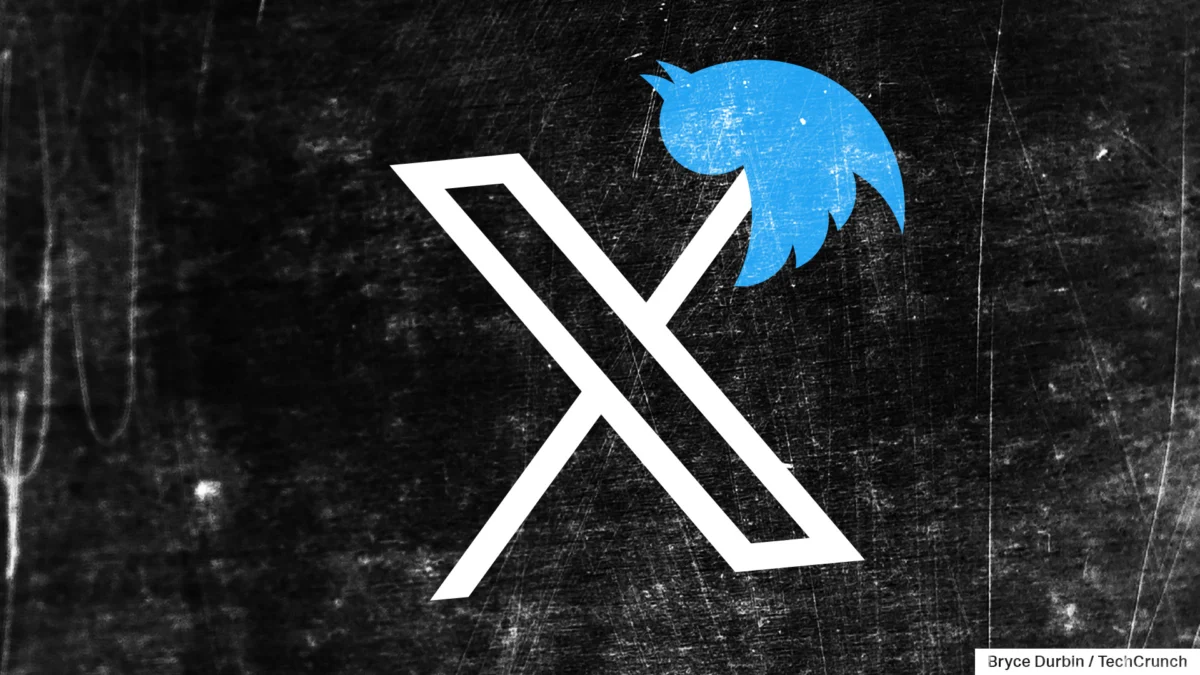
The case emerged from Elon Musk’s dramatic rebrand of Twitter to X in July 2023, a move intended to pivot the social media platform into an "everything app." This ambitious transformation involved not only a name change but a deliberate effort to shed the platform’s widely recognized blue bird logo and the verb "to tweet" in favor of an "X" aesthetic and the term "post." While X Corp. sought to consolidate its brand under a singular, new identity, it inadvertently opened a legal window for others to claim the discarded elements that had become deeply embedded in global culture and language. Operation Bluebird, led by a team including former Twitter trademark lawyer Stephen Coates, strategically moved to capitalize on this perceived abandonment, arguing that X Corp. had relinquished its rights to these once ubiquitous terms and symbols.
From Twitter to X: A High-Stakes Rebrand
Elon Musk’s acquisition of Twitter in October 2022 for approximately $44 billion was one of the most significant and controversial corporate takeovers in recent memory. Musk articulated a vision for X, an "everything app" inspired by WeChat, that would integrate social media, payments, and a multitude of other services. This grand ambition necessitated a complete overhaul of the Twitter brand, which Musk viewed as limiting to his expansive plans. The rebrand, officially announced in July 2023, was executed with remarkable speed and an almost aggressive detachment from the platform’s past. The iconic blue bird, a symbol instantly recognizable worldwide since Twitter’s inception in 2006, was replaced by a stark "X." The term "tweet," which had entered the global lexicon as a verb synonymous with microblogging, was actively discouraged in favor of "post."
This rebranding effort, while strategically significant for Musk’s long-term vision, was met with mixed reactions. Many long-time users expressed nostalgia and confusion, struggling to adapt to the new nomenclature and aesthetic. The "Twitter" brand, cultivated over nearly two decades, represented not just a platform but a cultural phenomenon. It boasted immense brand equity, estimated by some marketing analysts to be in the billions of dollars, rooted in its association with real-time information, public discourse, and global connectivity. The decision to deliberately dismantle such a valuable brand was seen by some as audacious, and by others as financially risky. The core argument for Operation Bluebird hinged precisely on this deliberate act of disassociation.
Operation Bluebird: A Calculated Reclamation
Operation Bluebird, a Virginia-based startup, did not emerge as a competitor aiming to innovate on social media features but rather as a strategic entity focused on intellectual property reclamation. Its very existence, and its initial name "Twitter.now," signaled its intent: to retrieve what it perceived as abandoned brand assets from X Corp. The company’s homepage explicitly states its purpose, referencing Musk’s decision to "throw the bird away on his way out" when he renamed the "town square" as X. This narrative positions Operation Bluebird not just as a business venture but as a custodian of a cultural legacy.
The startup’s leadership is notable for its legal acumen. Founder Michael Peroff, based in Illinois, and President Stephen Coates, a former trademark lawyer at Twitter itself, bring a deep understanding of intellectual property law to the table. Their legal backgrounds strongly suggest that the primary motivation behind Operation Bluebird is the strategic acquisition and monetization of valuable trademarks, rather than a genuine ambition to build a groundbreaking new social network from scratch. As Coates articulated, "A tweet was never a corporation. It’s one person saying something. That word survived three years of a company trying to replace it, because the public declined to stop using it. We think that tells you who it belongs to." This statement encapsulates the core of their legal and philosophical argument: that certain elements of a brand, particularly those deeply ingrained in public usage, transcend corporate ownership if actively abandoned.
Dissecting the Court’s Preliminary Injunction
The legal battle commenced when X Corp. sought a preliminary injunction to prevent Operation Bluebird from using a series of Twitter-related trademarks that the startup claimed X had abandoned. Judge Colm F. Connolly’s ruling on this motion was a masterclass in trademark jurisprudence, resulting in a split decision that has significant implications for both parties and the broader intellectual property landscape.
X Corp.’s Partial Victory: Retaining "Twitter"
The judge granted X Corp.’s motion for a preliminary injunction regarding eight Twitter-related marks, crucially including the core "Twitter" brand name. This means Operation Bluebird was barred from using names like "Twitter.now." The court likely recognized that despite the rebrand to X, the "Twitter" name still holds immense residual brand equity and is inextricably linked to X Corp. in the public consciousness, at least for a transitional period. The mere act of changing a corporate name does not immediately erase decades of brand building, and X Corp. could demonstrate ongoing efforts to protect the original name where necessary, even if it was transitioning away from active use. This part of the ruling signifies the difficulty of entirely severing ties with a globally recognized brand, even for a company actively seeking to do so.
Operation Bluebird’s Strategic Win: "Tweet" and the Bird Logo
Conversely, Judge Connolly denied X Corp.’s request for an injunction concerning the "Tweet" mark and the iconic Twitter bird logo. This denial was a significant victory for Operation Bluebird, effectively granting them the ability to use these highly valuable and recognizable assets. The judge’s opinion explicitly stated that Bluebird was "likely to succeed in proving both that X Corp. discontinued the bona fide use of the Tweet mark and Bird logo and that it intends not to resume the use of the marks."
The Doctrine of Trademark Abandonment
This aspect of the ruling hinges on the legal doctrine of trademark abandonment. Under U.S. trademark law, a mark can be deemed abandoned if its owner discontinues its use with intent not to resume use.
- Discontinuation of Bona Fide Use: X Corp.’s actions post-rebrand provided ample evidence for this. The bird logo was physically removed from the platform, corporate offices, and marketing materials. The term "tweet" was actively replaced by "post" in user interfaces, help documents, and official communications. This demonstrated a clear cessation of active, legitimate commercial use.
- Intent Not to Resume Use: This element is often harder to prove but can be inferred from the owner’s conduct. Elon Musk’s public statements about shedding the "Twitter" identity entirely and building a new "X" brand, coupled with the aggressive and comprehensive nature of the rebrand, strongly suggested a clear intent not to revert to the old marks. The court likely found compelling evidence in X Corp.’s explicit and public efforts to distance itself from its former brand elements.
The non-final nature of the ruling is crucial. This was a preliminary injunction, meaning the case will proceed to a full trial to definitively determine whether X Corp. has indeed abandoned its rights to these marks. However, the preliminary finding that Operation Bluebird is "likely to succeed" in proving abandonment puts X Corp. on the defensive and gives Tweet.app a strong initial legal footing.
Tweet.app Takes Flight: Reclaiming a Cultural Icon
Following the court’s preliminary ruling, Operation Bluebird swiftly rebranded its website to Tweet.app and officially launched to the public. This immediate pivot demonstrated the startup’s readiness to leverage its partial legal victory. The company reported that over 172,000 people had requested a handle on the site even before its public launch, a figure that underscores the enduring public affinity for the "Twitter" brand and its associated terminology. This user interest, despite the new platform offering little in terms of unique features beyond its name, highlights the powerful pull of established brand recognition and nostalgia.
A notable aspect of Tweet.app’s strategy is its monetization model: charging users $20 to reserve their handle and join the social network. This fee likely serves multiple purposes. Firstly, it provides immediate revenue for the startup, which is crucial for funding ongoing operations and, significantly, covering the substantial legal bills associated with a high-profile trademark battle against a well-resourced opponent like X Corp. Secondly, it acts as a barrier to entry, potentially curating a user base that is genuinely invested in the "Tweet" concept and perhaps even the legal outcome. Lastly, it adds a perceived value to the reserved handles, leveraging the scarcity and the cultural cachet of the "tweet" brand.
Broader Implications: A Precedent for Brand Legacy in the Digital Age
The "X vs. Tweet.app" legal saga extends far beyond a mere trademark dispute; it delves into fundamental questions about brand management, intellectual property in the digital sphere, and the very nature of cultural ownership.
For X Corp. and Corporate Rebranding:
The ruling serves as a stark warning to corporations contemplating radical rebrands. While the desire to innovate and shed old identities is understandable, the case demonstrates the immense difficulty and potential legal liabilities associated with abandoning highly recognized intellectual property. For a brand as globally pervasive as "Twitter," the act of disassociation must be meticulously managed to avoid inadvertently ceding valuable assets. X Corp. now faces the paradoxical situation of owning the "Twitter" name but potentially losing control over the widely used "tweet" verb and its iconic bird logo, elements that many still associate with its platform. This could lead to brand confusion and dilute its efforts to establish X as a standalone entity.
For Trademark Law and Digital Abandonment:
This case could become a landmark in trademark law, particularly concerning "abandonment" in the context of digital brands. The active and public efforts by X Corp. to eliminate the bird logo and the term "tweet" provide clear evidence of an intent to discontinue use. This ruling could refine the understanding of what constitutes "intent not to resume use" when a company deliberately and openly seeks to move away from a former brand. It highlights the tension between a company’s right to evolve its brand and the public’s ingrained association with established terminology and symbols, especially in the rapidly evolving digital landscape where terms can become part of the everyday lexicon.
For the Social Media Landscape and Competition:
The entry of Tweet.app, armed with the "tweet" name and bird logo, introduces an intriguing dynamic into the competitive social media landscape. While its long-term viability as a genuine social network remains to be seen—given the initial skepticism about its innovative capacity—its existence could tap into the widespread nostalgia for the original Twitter brand. This could siphon off a segment of users disillusioned with X Corp.’s changes, adding another player alongside established giants like Facebook, Instagram, and emerging platforms like Threads and Mastodon. The case demonstrates the enduring power of brand legacy and the difficulty of completely erasing a brand that has achieved cultural ubiquity.
The Enduring Value of Legacy Brands:
The fact that hundreds of thousands of users were eager to sign up for a platform primarily because it reclaimed a discarded name and logo speaks volumes about the intrinsic value of legacy brands. In a fragmented digital world, established symbols and terms offer a sense of familiarity and trust that new brands struggle to build. The "tweet" and the bird logo are not just intellectual property; they are cultural touchstones. This case underscores that brands, once deeply embedded in public consciousness, can acquire a life of their own, independent of their original corporate custodians.
Conclusion: A Battle for Digital Identity
The Delaware court’s preliminary ruling in the X Corp. vs. Operation Bluebird dispute is a pivotal moment in the ongoing narrative of digital brand evolution. It highlights the complexities of corporate rebranding, the strategic potential of intellectual property reclamation, and the enduring power of public association with brand elements. As the case proceeds to a full trial, the legal community, tech industry, and the general public will be watching closely. The outcome will not only determine the ultimate ownership of "tweet" and the bird logo but will also offer crucial insights into how courts interpret brand abandonment in an age where digital identities are constantly being reshaped, merged, and, occasionally, resurrected. The battle for digital heritage continues, with the legacy of a blue bird and a simple verb now at its heart.

