
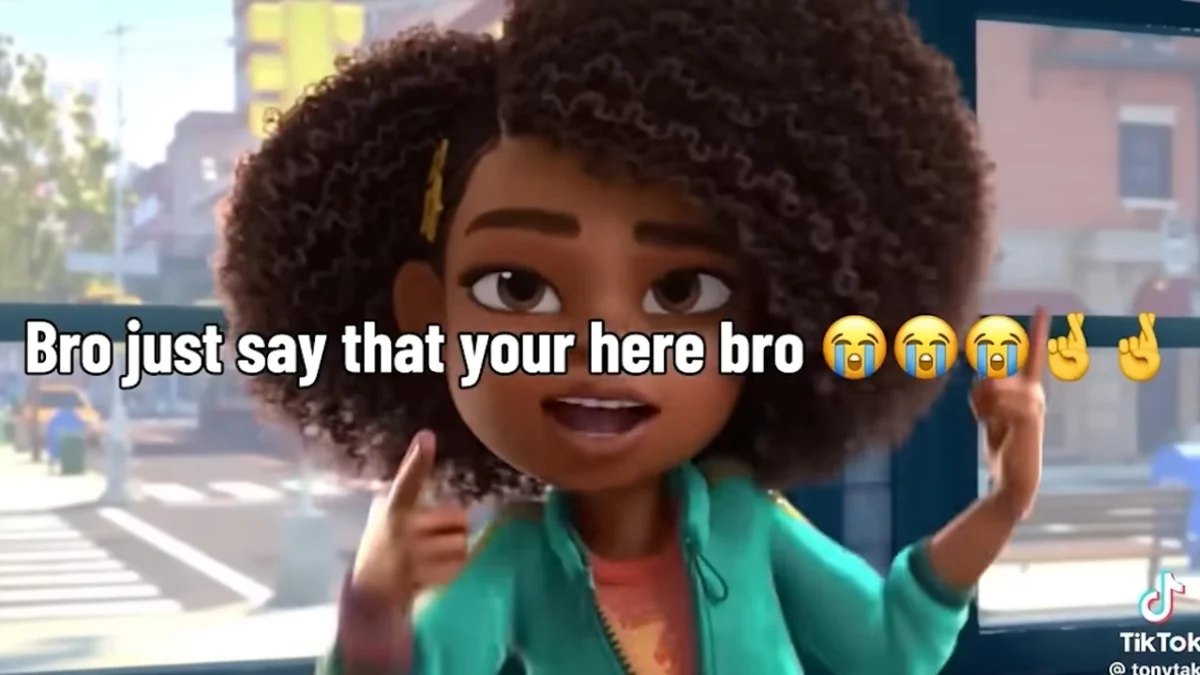
The "Just Say Here, Bro" movement represents a broader cultural pivot toward "cringe-rejection" humor. In this digital subculture, the humor is derived from the immediate and often hyperbolic suppression of someone perceived as seeking unnecessary attention. By analyzing the origins, the specific media catalysts, and the sociological implications of these memes, one can gain a clearer understanding of the evolving standards of "cool" in the late 2020s.
The Chronological Development of the Attendance Meme
The genesis of the "Just Say Here, Bro" phenomenon can be traced back to the early summer of 2026. While school-related humor has been a staple of social media since the inception of Vine and early TikTok, the specific focus on attendance-based "cringe" solidified in June. On June 20, 2024, a TikTok creator known as @wysshaun published a comedy sketch that resonated with millions of students. The skit depicted the frustration felt by classmates when a single individual attempts to "be different" during a routine roll call. This video, which amassed over 140,000 views within its first two months, is widely cited by internet historians as the foundational text of the movement.
Following this initial spark, the meme evolved from simple observational comedy into a more complex, "exploitable" format. By late July 2026, the trend found its definitive visual language through an unlikely source: the 2021 animated musical series Karma’s World. The show, created by American rapper and actor Chris "Ludacris" Bridges, follows a young girl named Karma who expresses her feelings through rap. A specific scene from the series’ first episode, "I Am Karma," features the protagonist performing a rhythmic, rhyming response when her teacher calls her name.
While the original intent of the show was to empower young viewers, the 2026 internet ecosystem repurposed the clip as the ultimate example of "socially tone-deaf" behavior. On July 24, 2026, TikToker @h2t.alt posted a version of this clip that was abruptly interrupted by a hostile reaction. This specific iteration garnered 4.2 million views in a mere fortnight, signaling the meme’s transition into the mainstream.
The "Karma’s World" Catalyst and the Mechanics of the Interruption
The success of the "Just Say Here, Bro" meme relies heavily on the "interruption" mechanic. The format typically begins with the Karma’s World clip: the teacher calls "Karma," and the character begins her rap with high energy. Before she can finish her first verse, the video is "stitched" or edited to transition into a completely different piece of media that expresses extreme annoyance or physical intervention.
One of the most popular variations involves a clip from the 2008 film Bronson, featuring actor Tom Hardy. In the clip, Hardy’s character screams, "Shut your f—ing mouth!" with a level of intensity that creates a sharp, comedic contrast with the bright, animated world of Karma. Other versions utilize characters from popular anime and action cinema to "silence" the performance. On July 27, 2026, a creator named @t_backedits introduced a version featuring Guido Mista from JoJo’s Bizarre Adventure, where the character appears to "shoot" the screen as soon as the rapping begins. This version reached 1.1 million views, demonstrating the meme’s versatility across different fandoms.
The technical execution of these memes often mimics the "low-effort" or "shitposting" styles of 2020-era TikTok, a choice that creators like @rebornintochrist have noted is intentional. By using nostalgic editing styles to mock contemporary "cringe," creators add a layer of meta-commentary to the content.
Sociological Analysis: The Rejection of Main Character Syndrome
The rapid spread of the "Just Say Here, Bro" meme offers a window into the psychological state of modern students. Sociologists point to the term "Main Character Syndrome"—a phenomenon where individuals view themselves as the protagonist of a scripted life, often at the expense of others’ patience—as the primary target of these memes.
In a classroom setting, the attendance call is a collective ritual that requires efficiency. When an individual disrupts this ritual for a "main character moment," it creates a friction point. The meme acts as a form of digital peer-policing, where the "annoying" behavior is punished through satire. Unlike previous generations of memes that celebrated individuality, the "Just Say Here, Bro" trend celebrates the "background character" or the "NPC" (Non-Player Character) who simply wants to get through the day without unnecessary performance.
Furthermore, the meme highlights a growing fatigue with "forced" positivity and educational entertainment. The rejection of Karma’s rapping—a hallmark of educational programming designed to be engaging—suggests that younger audiences are increasingly cynical toward media that they perceive as "trying too hard" to be relatable or inspirational.
Quantitative Impact and Platform Dynamics
The scale of the "Just Say Here, Bro" trend is reflected in the engagement metrics across major platforms. As of August 2026, the primary hashtags associated with the trend, such as #justsayhere and #karmasworldmeme, have collectively surpassed 100 million views.
Data from TikTok’s creative center indicates that the meme is most popular among users aged 13 to 24, with a secondary peak in the 25-34 demographic, likely consisting of teachers and parents who recognize the classroom dynamic. The "search interest" for "Just Say Here Bro" saw a 400% increase in the last week of July 2026, coinciding with the start of many late-summer school sessions in the Northern Hemisphere.
The algorithmic nature of TikTok and Instagram Reels has played a crucial role in this growth. Because the meme uses a recognizable audio "hook"—the start of Karma’s rap—the algorithm can easily categorize and distribute variations of the meme to users who have previously engaged with school-related humor. This creates a feedback loop where the more "annoying" the original clip is perceived to be, the more "satisfying" the interruption becomes, driving further engagement.
Reactions from Educators and Content Creators
The reaction to the meme from the educational community has been mixed. Some teachers have embraced the trend, using the phrase "Just say here, bro" as a lighthearted way to keep their students on task. On professional forums, some educators have noted that the meme has actually improved the speed of morning roll calls, as students are now terrified of being labeled "the Karma of the class."
Conversely, some child developmental experts have expressed concern over the "hostility" embedded in the meme. While the interruptions are intended to be humorous, the use of clips involving violence (even in a fictional or animated context) to silence a child character has sparked debates regarding digital bullying.
The creators of Karma’s World and Netflix have not issued an official statement regarding the meme. However, history suggests that such "unfiltered" engagement often leads to a spike in viewership for the original source material. Much like the "Peppa Pig" or "Dora the Explorer" memes of previous years, the "Just Say Here, Bro" trend has introduced Karma’s World to an audience far outside its intended demographic, albeit in a subversive manner.
Broader Implications for Digital Trends
The "Just Say Here, Bro" phenomenon is a testament to the power of "anti-cringe" sentiment in shaping 2026’s internet culture. It signifies a move away from the earnest, highly produced content of the early 2020s toward a more raw, reactionary form of humor.
As the 2026-2027 academic year begins, the phrase "Just say ‘here,’ bro" is expected to transition from a digital caption to a common classroom idiom. This trend underscores a fundamental truth about youth culture: the quickest way to become a social pariah is to be perceived as "doing too much." In an age of constant self-promotion and digital performance, the most radical act a student can perform is simply to say "here" and sit down.

