
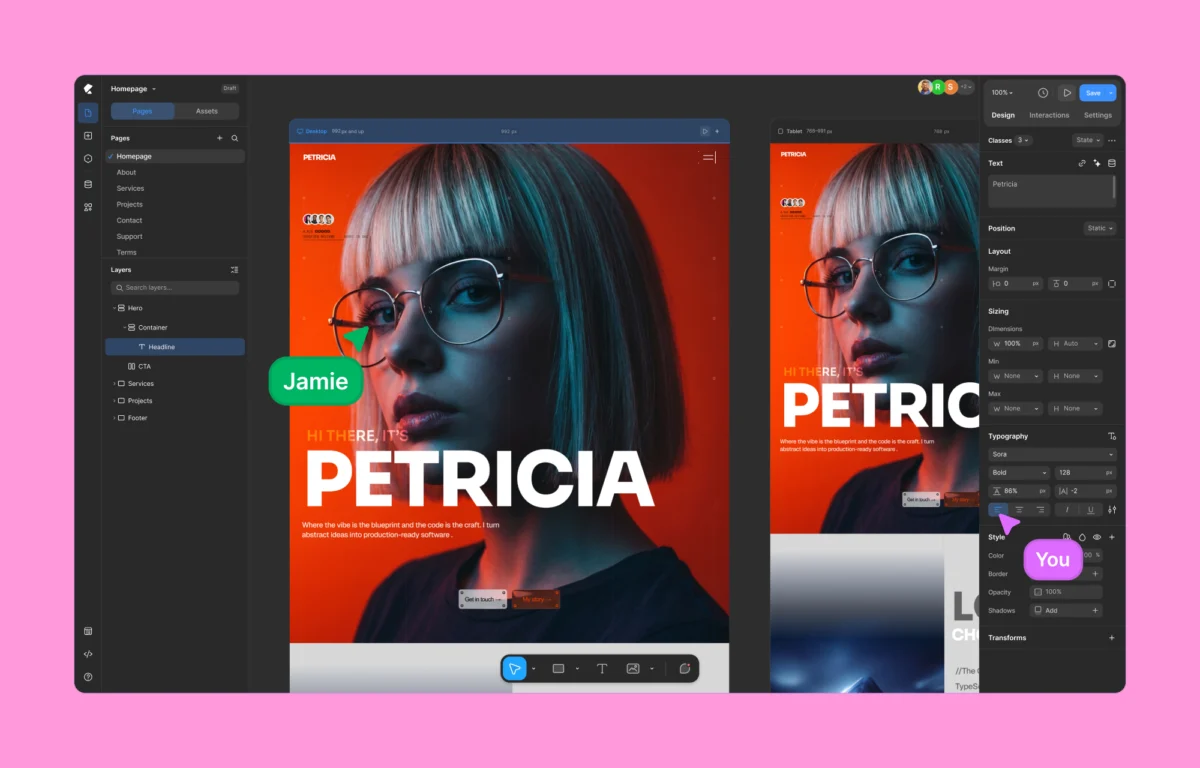
In an era where web design is increasingly moving toward fluid, design-first environments, the WordPress ecosystem has seen a significant shift with the emergence of Kirki, a visual builder that departs from traditional rigid structures. For over a decade, WordPress users have operated within the "box model" constraints of conventional page builders, often sacrificing site performance for ease of use. The introduction of Kirki represents a fundamental pivot in the content management system (CMS) landscape, offering an infinite canvas and a zero-plugin-dependency architecture that challenges the long-standing dominance of industry giants like Elementor and Divi.

The Evolution of WordPress Design: From Grid to Canvas
The trajectory of WordPress design has been marked by several distinct eras. Initially, the platform relied on static themes where customization required direct PHP and CSS editing. The mid-2010s saw the rise of the "shortcode era," followed by the "visual block era," popularized by the introduction of the Gutenberg editor in 2018. However, despite these advancements, most builders remained tethered to a columnar, row-based logic that often felt restrictive to professional designers accustomed to tools like Figma, Sketch, or Adobe XD.

Kirki’s entry into the market addresses a specific "pain point" identified by the professional design community: the technical debt associated with traditional builders. While legacy builders democratized web design, they frequently introduced "DOM bloat"—a condition where excessive HTML wrappers slow down browser rendering. By reimagining the interface as a freeform canvas, Kirki allows elements to be placed with pixel-perfect precision without the need for nested containers, effectively bridging the gap between high-fidelity design software and functional web development.

Technical Performance and the Benchmarking Gap
A critical component of Kirki’s market proposition is its superior performance metrics. In recent industry-standard audits, Kirki has demonstrated a significant advantage over legacy builders in terms of Core Web Vitals, which are the metrics Google uses to determine a site’s health and search engine ranking.

In a controlled benchmarking environment using a clean WordPress installation and the default Twenty Twenty-Five theme, Kirki was tested against Elementor, the current market leader by install base. Both builders were tasked with recreating a complex landing page featuring hero sections, overlapping graphics, and dynamic testimonials. The results, measured via Google Lighthouse, revealed a stark contrast in technical efficiency:

- DOM Size and Depth: Kirki’s output generated approximately 65% fewer HTML elements than Elementor. This reduction in "div-itis" directly correlates to faster browser parsing times.
- Performance Scores: On mobile simulations, Kirki consistently achieved scores in the 95–100 range, whereas the legacy builder struggled to surpass 75 without significant third-party optimization plugins.
- Script Loading: Kirki’s architecture relies on a "load-on-demand" system, ensuring that only the CSS and JavaScript necessary for the specific page are served to the user.
These data points suggest that Kirki is positioning itself not just as a design tool, but as a technical solution for the growing demand for "Core Web Vital-ready" websites.

Feature Analysis: A Unified Ecosystem Approach
Unlike many WordPress tools that require a suite of auxiliary plugins to handle advanced functionality, Kirki has adopted an "all-in-one" philosophy. This integrated approach is designed to mitigate the "plugin fatigue" that often leads to security vulnerabilities and site instability.

The Infinite Canvas and Concurrent Editing
The hallmark of the Kirki experience is the infinite canvas. This allows designers to pan and zoom across their entire project, viewing desktop, tablet, and mobile breakpoints side-by-side. Traditionally, WordPress builders require users to toggle between "device modes," which can obscure how changes on one screen size affect another. Kirki’s concurrent editing model ensures that responsive design is a continuous process rather than an afterthought.

Native Dynamic Content Management
One of the most significant hurdles in WordPress development is the management of dynamic data. Usually, this requires the installation of Advanced Custom Fields (ACF) or similar tools. Kirki incorporates a native Dynamic Content Manager, allowing users to create custom post types and fields directly within the builder. This integration ensures that data-driven elements—such as real estate listings, team directories, or portfolio items—can be styled visually without leaving the editor.

Figma-to-WordPress Handoff
Recognizing the industry standard for UI/UX design, Kirki has introduced a seamless import feature for Figma files. This allows agencies to transition from a mockup to a live site with a high degree of fidelity, reducing the "translation error" that often occurs when developers attempt to manually replicate a designer’s vision in a rigid CMS environment.

Economic Impact and Subscription Models
The launch of Kirki comes at a time of significant economic consolidation in the WordPress space. Many builders have moved toward restrictive annual subscriptions and "pro-only" features that can make scaling an agency expensive. Kirki’s pricing strategy appears to be a direct response to this trend.

With a robust free version available on the WordPress.org repository, the platform lowers the barrier to entry for freelancers. The "Pro" tier, priced at $59 per year for a single site, includes features that are often locked behind higher-priced tiers in competing products, such as pop-up builders and advanced interaction libraries. Furthermore, the inclusion of a "Lifetime" plan at $499 signals a commitment to long-term stability for established agencies looking to escape the cycle of recurring annual fees.

Industry Reactions and Market Implications
The reception of Kirki within the WordPress community has been largely positive, particularly among developers who have grown weary of "bloated" builders. Market analysts suggest that Kirki’s arrival could force legacy builders to accelerate their own performance optimization efforts.

"The move toward freeform design in a self-hosted environment like WordPress is inevitable," noted one independent web consultant. "Tools like Webflow and Framer have proven that designers want this level of freedom. Kirki is essentially bringing that SaaS-level experience back to the open-source world of WordPress."

However, some industry veterans caution that the "infinite canvas" model requires a higher degree of design discipline. While a rigid grid prevents users from making catastrophic layout errors, a freeform canvas gives users "enough rope to hang themselves" if they do not understand the principles of responsive web design. To counter this, Kirki has implemented a "Page Audit" tool that automatically scans for accessibility issues, broken links, and missing alt text before a site is published.

Chronology of the No-Code Movement
To understand Kirki’s significance, one must look at the broader timeline of the "No-Code" movement:

- 2010–2014: The rise of drag-and-drop builders (Divi, Elementor) brings web design to the masses.
- 2015–2018: SaaS platforms like Webflow gain popularity by offering "clean code" and professional-grade design tools, drawing users away from WordPress.
- 2019–2022: The WordPress community focuses on "Full Site Editing" (FSE) via the Gutenberg project, though adoption remains slow due to a steep learning curve.
- 2023–Present: The emergence of "Freeform" builders on WordPress, led by Kirki, seeks to reclaim the professional design market by offering SaaS-like flexibility within the WordPress ecosystem.
Broader Impact on Agency Workflows
For digital agencies, the implications of a tool like Kirki are primarily operational. By centralizing features like real-time collaboration—where multiple team members can edit a page simultaneously and leave pinned comments—Kirki mirrors the workflow of modern productivity tools like Notion or Figma. This reduces the need for external project management tools and constant back-and-forth communication, potentially shortening the development lifecycle of a typical client project by 20–30%.

Furthermore, the "Class-Based" styling system in Kirki allows for a level of scalability previously reserved for custom-coded sites. By allowing designers to create global CSS classes that can be applied across thousands of elements, Kirki ensures that branding updates (such as changing a corporate color or font) can be executed in seconds rather than hours.

Conclusion: The Future of WordPress Site Building
As the web becomes increasingly visual and performance-driven, the tools used to build it must evolve. Kirki’s departure from the traditional "box" model of WordPress design represents a significant milestone in this evolution. By prioritizing clean code output, design-first workflows, and an all-in-one feature set, Kirki addresses the technical and creative limitations that have plagued WordPress for years.

Whether Kirki will ultimately dethrone established leaders remains to be seen, but its influence on the market is already undeniable. It has set a new benchmark for what a "no-code" tool can achieve, proving that design freedom and technical excellence are no longer mutually exclusive in the world of WordPress. For designers seeking pixel-perfect control and developers demanding high-performance output, Kirki offers a compelling glimpse into the future of the open web.

