
The ideal e-commerce checkout is frictionless and linear: enter one’s address and payment details and then await product delivery. This streamlined process, a cornerstone of Western online retail, often paints an incomplete picture of the global digital marketplace. In Africa, and indeed many emerging markets, the path from clicking "buy" to receiving a package is far more nuanced, deeply influenced by consumer psychology, historical experiences, and the unique infrastructural landscape. Providing digital payment information is not a simple transaction; it is often a leap of faith, necessitating a more conversational and cautious approach from consumers.
This inherent skepticism is not a bug in the system, but rather a feature of how trust is built and transactions are validated in many African e-commerce ecosystems. Consumers may initiate a purchase by clicking "buy," but their immediate action is rarely to reach for their payment details. Instead, they require tangible proof of the product’s existence and the company’s legitimacy. This often translates into direct, real-time communication. Platforms like WhatsApp have become indispensable tools, facilitating requests for up-to-the-minute product photos, detailed delivery timelines, and even voice notes to confirm the presence of a human operator behind the digital storefront. This "do-it-yourself verification system" underscores a fundamental difference in consumer behavior, where personal assurance supersedes automated efficiency.
McKinsey & Company, in its comprehensive 2020 report, identified this phenomenon by coining the term "cautious consumers" to describe shoppers in the Africa and Middle East region. This designation highlights the prevailing sentiment where a deep-seated awareness of potential risks, whether financial or logistical, dictates purchasing decisions. The report, accessible via a PDF link, delves into the imperatives for retailers aiming to accelerate their e-commerce growth by understanding and adapting to these distinct market dynamics.
The Rise of Conversational Commerce
It would be a significant miscalculation for international e-commerce players to dismiss the reliance on platforms like WhatsApp as a mere workaround or a temporary solution. For consumers across Africa, engaging in a WhatsApp chat is not simply an alternative communication channel; it is the digital equivalent of looking a seller in the eye, a vital step in establishing rapport and trust. This direct interaction allows for immediate clarification, personalized attention, and the subtle cues that build confidence in a transaction.
A recent illustration of these deeply ingrained trust dynamics emerged in Nigeria with the January 2026 partnership between global payment giant PayPal and Paga, a prominent Nigerian mobile payment platform. For two decades, Nigerian freelancers and businesses had been restricted from receiving international funds directly into their local wallets. The announcement promised to finally bridge this gap, enabling Nigerians to receive international payments from PayPal directly into their Paga accounts.

However, the reception to this long-awaited integration was far from uniformly positive. Instead, the Nigerian social media landscape, particularly the platform X (formerly Twitter), was inundated with expressions of vitriol and deep skepticism from freelancers. This widespread distrust stemmed from a collective, and often painful, memory of past instances where PayPal funds were reportedly frozen or subject to unexpected restrictions, leaving individuals unable to access their hard-earned money. This historical baggage has created a significant psychological barrier that the PayPal-Paga partnership, despite its technical capabilities, may find challenging to overcome without sustained efforts to rebuild confidence. The implications are clear: technological advancements alone are insufficient if they fail to acknowledge and address the historical context that shapes consumer sentiment.
The Bedrock of Trust: Payment Solutions
The success of local payment platforms such as Flutterwave and Stripe-owned Paystack in Africa is a testament to their profound understanding of these consumer concerns. These companies did not simply replicate existing payment models; they meticulously built their infrastructure around how people in these markets actually move capital, acknowledging the "memories of money restrictions and failed transactions" that have shaped consumer behavior.
Bank Transfers: A Foundation of Finality and Speed
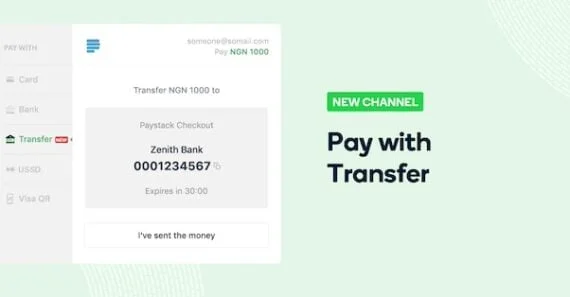
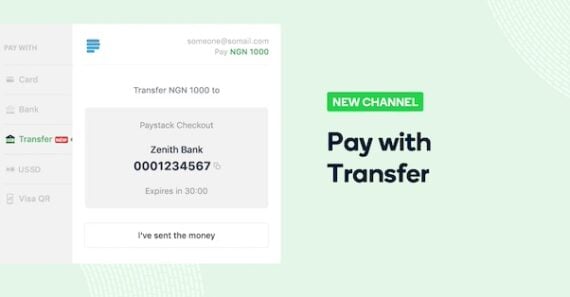
In a market like Nigeria, where businesses operate with tight cash flow, the speed of settlement is paramount. Merchants require funds to be cleared within one day of a transaction to ensure continuity and operational efficiency. For the customer, the bank transfer offers a sense of finality and verifiability. Once initiated and confirmed, it represents a tangible movement of funds, providing a level of assurance that can be lacking in other digital payment methods. Paystack’s own "instant bank transfer" feature, which settles transactions within a day, directly addresses this critical need for speed and certainty, as visually represented by their interface popups. This reflects an understanding that in an environment where digital trust is still evolving, traditional, verifiable methods hold significant sway.
Mobile Money: Dominance and Consumer Control
In Kenya and across much of East Africa, mobile money has become the dominant form of financial transaction. The integration of STK Push (Service Transaction Protocol Toolkit Push) has been a game-changer. This consumer-controlled security protocol empowers users by allowing them to authorize money transfers directly on their mobile devices. Africa accounts for a staggering 70% of global mobile money payments, underscoring its pivotal role in the continent’s digital economy. Ignoring or failing to adequately support STK Push, a protocol deeply embedded in consumer behavior and trust, is a costly oversight for any e-commerce player seeking to gain traction. Platforms like M-Pesa, which has pioneered and popularized mobile money services, exemplify the power of localized, user-centric financial solutions.
Cash-at-Kiosk: Bridging the Physical and Digital Divide
In markets like Egypt, where a strong preference for physical confirmation before payment persists, innovative solutions are crucial. Fawry, a leading payment processing platform, has successfully addressed this through its cash-at-kiosk model. This system allows consumers to conveniently place orders online and then complete their payment at one of thousands of physical kiosks strategically located across the country. This hybrid approach effectively bridges the gap between the digital convenience of online shopping and the tactile assurance of in-person transactions, catering to a significant segment of the population who are not yet fully comfortable with purely digital payment methods. This model highlights the adaptability required in emerging markets, where a one-size-fits-all digital payment strategy is unlikely to succeed.
The Path to Success: Embracing, Not Erasing, Friction
The overarching lesson for foreign e-commerce merchants looking to penetrate African markets is clear: technological prowess alone is not a silver bullet. True success lies not in attempting to eliminate perceived "friction" from the consumer’s perspective, but rather in understanding, accommodating, and even leveraging that friction. The "cautious consumer" model demands a strategic approach that prioritizes building trust through familiar, verifiable, and often conversational channels.
This involves a deep dive into local payment preferences, understanding historical contexts of financial transactions, and recognizing the psychological barriers that can impede digital adoption. Companies that invest in localized payment solutions, offer flexible and transparent communication channels, and demonstrate a genuine understanding of consumer anxieties are far more likely to build lasting relationships and achieve sustainable growth. The African e-commerce landscape is a dynamic ecosystem where trust is earned, not assumed, and where the journey from intent to purchase is as much about human connection as it is about digital efficiency.
The implications of this consumer-driven approach are far-reaching. It signals a shift away from a Western-centric model of e-commerce and towards a more inclusive, globally diverse digital marketplace. As more consumers in Africa gain access to the internet and digital devices, their unique preferences will continue to shape the evolution of online retail, compelling international businesses to adapt or risk being left behind. The future of e-commerce in Africa will undoubtedly be built on a foundation of trust, transparency, and a willingness to meet consumers where they are, with solutions that resonate with their lived experiences and expectations. This necessitates a continuous dialogue, a willingness to learn, and an agile approach to product development and customer service that prioritizes genuine connection over automated convenience.

