
The burgeoning field of Artificial Intelligence (AI) is rapidly transforming how users seek information, presenting both opportunities and significant challenges for businesses aiming to maintain and enhance their online presence. While AI-powered visibility-tracking tools like Profound and Peec AI offer nascent capabilities to monitor how businesses appear in AI responses, their current methodologies are proving to be a double-edged sword. The fundamental reliance on pre-defined prompts, often manipulated by agencies, leads to inflated and misleading visibility scores, prompting a critical re-evaluation of what constitutes meaningful measurement in this new digital frontier.
The Flaw in Current AI Visibility Metrics
At the heart of the issue lies the inherent subjectivity of prompt-based AI interaction. Tools that assess a business’s visibility by feeding them specific queries can easily be gamed. For instance, if a prompt explicitly includes a company’s name, the AI is naturally predisposed to include that business in its response. This artificial inclusion can result in a perfect 100% visibility score for that particular prompt, skewing the overall average and creating a false sense of widespread recognition. This practice, while demonstrating a superficial understanding of prompt engineering, fails to reflect genuine consumer search behavior.
The core problem is that current metrics are not aligned with how actual consumers interact with AI. Users typically do not craft prompts with the sole intention of seeing specific brands mentioned. Instead, they ask questions related to their needs, problems, or interests. The true measure of AI visibility should therefore be rooted in how often a business’s information or services are organically surfaced in response to these natural, unprompted consumer queries. The current landscape prioritizes a narrow, easily manipulated metric over a genuine reflection of user intent and AI-driven discovery.
Towards More Meaningful AI Tracking: Beyond Citations
The prevailing strategy among some marketers has been to chase "citations," aiming for their business to be mentioned in every relevant AI response. However, this approach overlooks the volatile nature of AI outputs. The same prompt, even from the same user, can yield different results across various AI platforms and even across different sessions on the same platform. This dynamic variability renders a strategy solely focused on maximizing citations across all potential responses inherently unstable and potentially inefficient.
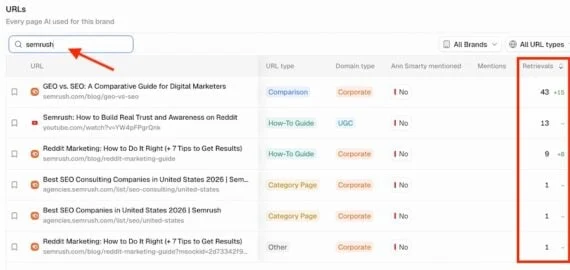
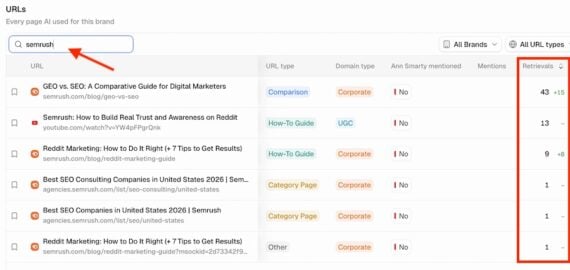
A more robust and actionable approach, as highlighted by experts in the field, involves a cross-platform analysis of domains that are frequently cited. This strategy allows marketers to identify which of their content is resonating across multiple generative AI ecosystems. By analyzing these cross-platform citations, businesses can gain a more objective understanding of their true reach and identify content gaps that hinder their visibility.

Leveraging AI for Deeper Competitive Insights
AI tracking tools, when used thoughtfully, can offer a wealth of information that extends beyond keyword analysis. They can reveal crucial content gaps by highlighting areas where a business is failing to address the concerns and questions of potential customers. If a company’s content is not comprehensive or relevant enough to be included in AI responses, it signals a fundamental disconnect with user needs.
By meticulously studying competitors who excel at providing comprehensive information on their websites, businesses can then analyze where those competitors’ pages appear in AI responses to relevant queries. This competitive intelligence allows for the identification of successful content formats and topics, enabling a more targeted content strategy that genuinely caters to the needs and interests of the business’s target audience. This analytical approach moves beyond mere presence to a strategic understanding of informational value and user satisfaction as perceived by AI.
Understanding the Nuance of "Invisible" vs. "Visible" Citations
A critical distinction in AI search visibility is the difference between "invisible" and "visible" citations. "Invisible citations" refer to instances where an AI response includes a link to a webpage without explicitly naming the source business. Data suggests that these inline or separate panel links receive very little user traffic, indicating a low impact on consumer decision-making. The limited engagement suggests that while AI might index and present these links, they do not effectively drive discovery or action.
Conversely, "visible citations" are those where a brand or business is explicitly mentioned by name within the AI’s response, often accompanied by a link. Testing has indicated that these visible citations have a far greater influence on purchasing decisions. This suggests that for effective AI optimization, the focus should be on achieving these named mentions. They not only signify a higher level of AI recognition but also directly contribute to brand awareness and consumer intent.
However, even "invisible citations" present an opportunity. While they may not drive direct traffic, they signal that the AI has found relevant information on a particular page. This presents an avenue for improving on-site content to include branded answers, which AI systems could then leverage to provide more explicit and valuable mentions alongside the links. The goal is to transform these passive inclusions into active brand endorsements within AI-generated content.
The Power of Branded Prompts for Strategic AI Optimization
The most effective strategy for achieving robust AI visibility hinges on proactively informing generative AI platforms about a business. This is where "branded prompts" become paramount. By strategically crafting prompts that directly inquire about a business, its offerings, or its expertise, marketers can test the AI’s ability to access and synthesize accurate, up-to-date information about their brand.
When using branded prompts, the key indicators of success are detailed, accurate, and current responses. If an AI can readily provide comprehensive information about a company, its products, services, or industry standing, it suggests that the business’s digital footprint is well-indexed and accessible to these AI models. Conversely, vague, outdated, or absent responses to branded prompts indicate a need to improve the accessibility and richness of the brand’s information online.
The Evolving Ecosystem of AI Search and Its Implications
The rise of AI-driven search represents a significant paradigm shift in digital marketing. Unlike traditional search engines, which rely on complex algorithms to rank web pages based on a multitude of factors, generative AI models synthesize information from vast datasets to provide direct answers. This means that visibility is no longer solely about ranking for specific keywords but about being a credible, accessible, and informative source within the AI’s knowledge base.
The implications for businesses are profound. Marketing strategies must evolve to prioritize creating content that is not only discoverable by traditional search engines but also digestible and valuable to AI models. This involves:
- Content Quality and Depth: AI models favor comprehensive, well-researched, and authoritative content. Businesses need to invest in creating high-quality content that thoroughly addresses user queries.
- Structured Data and Schema Markup: Implementing structured data and schema markup can help AI models better understand the context and entities within a website’s content, leading to more accurate inclusion in responses.
- Brand Authority and Trust: AI models, like humans, are likely to favor information from authoritative and trusted sources. Building brand authority through consistent, valuable content and positive online reputation management will become increasingly crucial.
- Understanding AI Consumption Patterns: Marketers need to actively monitor how AI models are consuming and presenting information. This involves experimenting with different types of prompts and analyzing the resulting outputs to identify trends and opportunities.
The Future of AI Visibility Measurement
The current limitations in AI visibility measurement are a clear indicator that the field is still in its infancy. As AI technology matures and its integration into daily life deepens, the tools and methodologies for tracking visibility will undoubtedly evolve. We can anticipate the development of more sophisticated analytics that can:
- Simulate Real User Behavior: Future tools might employ advanced AI to mimic diverse user search patterns, providing more realistic insights into how often a brand is naturally surfaced.
- Analyze Semantic Relevance: Moving beyond simple keyword matching, advanced analytics will likely assess the semantic relevance of content to user queries, understanding the nuances of language and intent.
- Cross-Platform Performance Benchmarking: Tools will offer more comprehensive benchmarking across various AI platforms, providing a holistic view of a brand’s presence in the generative AI landscape.
- Actionable Insights for Content Creation: The ultimate goal of these tools will be to provide actionable insights that directly inform content strategy, helping businesses create content that is not only visible but also valuable and impactful.
In conclusion, the transition to AI-driven information discovery necessitates a fundamental shift in how businesses approach online visibility. While current AI tracking tools offer a starting point, their limitations highlight the urgent need for more sophisticated, consumer-centric measurement strategies. By focusing on genuine informational value, understanding the nuances of AI citation, and proactively shaping their digital presence to be AI-friendly, businesses can navigate this evolving landscape and ensure their continued relevance in the age of artificial intelligence. The journey requires a commitment to adaptability, continuous learning, and a sharp focus on providing demonstrable value to both human users and the AI systems that are increasingly mediating their access to information.

