
In an increasingly competitive retail landscape, businesses are turning to the development of their own private-label brands as a potent strategy to invigorate revenue streams, gain granular control over their supply chains, and forge a distinct identity in a crowded marketplace. While the journey from concept to shelf is undeniably intricate, the potential for significant profitability and brand equity makes this endeavor a compelling proposition for retailers of all sizes.
Retailers, by their very nature, occupy the crucial customer-facing nexus within a complex ecosystem comprising brand creators, manufacturers, and distributors. Profitability in this model is realized only after each entity in this chain has secured its requisite share. The emergence of private-label initiatives, however, allows retailers to bypass some of these traditional intermediaries, thereby capturing a larger portion of the value chain.
The Private Advantage: Enhancing Unit Economics and Brand Loyalty
Giants of the retail sector, including Amazon, Walmart, and Target, have long recognized and capitalized on the strategic advantages of developing their proprietary brands. This approach is fundamentally aimed at improving unit economics through at least three key avenues: enhanced profit margins, superior quality control, and deeper customer engagement.
Firstly, by eliminating the wholesale markup of third-party brands, retailers can achieve higher gross profit margins on their private-label products. When a retailer manufactures a product to its own specifications and sells it directly to consumers, the profit margin per unit can be substantially greater than when reselling a branded item. For instance, reports from market research firms often indicate that private-label products can yield profit margins 10-20% higher than comparable national brands. This increased margin directly contributes to the bottom line, especially for high-volume product categories.
Secondly, private-label development grants retailers unparalleled control over the entire product lifecycle, from design and material sourcing to manufacturing processes and quality assurance. This meticulous oversight ensures that products consistently meet the retailer’s standards and customer expectations. In an era where product recalls and quality issues can severely damage brand reputation, this control is invaluable. For example, a retailer specializing in home goods can dictate the exact materials used in their towels, ensuring softness, durability, and allergen-free properties, which might be compromises made by a national brand focused on broader cost efficiencies. This direct influence allows for swift adjustments and innovations in response to market feedback or evolving consumer preferences, fostering a more agile business model.
Thirdly, private-label brands are instrumental in cultivating brand loyalty and differentiating a retailer’s offerings from competitors. When a consumer consistently purchases a private-label product that meets their needs and expectations, it strengthens their association with the retailer’s brand. These exclusive products create a unique value proposition that cannot be found elsewhere, encouraging repeat business and reducing price sensitivity. A grocery chain’s successful private-label organic food line, for example, can become a primary reason for customers to shop there, even if similar items are available at other stores. This builds a more resilient customer base less susceptible to competitor promotions.
Navigating the Nuances: Private Label vs. White Label
It is crucial to distinguish between private-label and white-label products, as the terms are often used interchangeably but denote distinct strategic approaches. The primary differentiators lie in the degree of customization and exclusivity afforded to the retailer.
Private Label: In a private-label model, a manufacturer produces goods according to the specific requirements and design of a retailer. These products are then exclusively sold under the retailer’s own brand name. The retailer exercises comprehensive control over every aspect of the product, including its features, the materials used, the packaging design, and its overall market positioning. This deep level of control allows for the creation of truly unique products that embody the retailer’s brand ethos and cater precisely to their target demographic. The intellectual property and product development efforts are largely driven by the retailer.
White Label: Conversely, white-label products are generic items manufactured by a third party and then sold to multiple brands. These manufacturers produce a standardized product, and retailers typically apply their own labels or packaging to these items. However, their ability to substantially alter the product’s core design, features, or materials is limited. While this model offers a faster route to market and lower initial investment, the products are not unique to any single retailer, leading to less brand differentiation and potentially higher competition from other retailers selling the same generic item under their own brand.
A pertinent example of a nuanced approach is the "private-label lite" often seen in print-on-demand merchandise. While the base product (e.g., a blank t-shirt or mug) is a standard, white-label item, the custom artwork, design, and marketing messaging applied by the retailer can imbue it with a private-label feel. This allows for a degree of personalization and brand association, bridging the gap between fully private and purely white-label offerings.
The Genesis of a Private Label: A Step-by-Step Journey
Launching a successful private-label product is a multifaceted undertaking that demands meticulous planning, diligent execution, and a keen understanding of market dynamics. While the process can be complex and fraught with potential challenges, a structured approach can mitigate risks and pave the way for profitability. The following stages represent a typical, though not exhaustive, roadmap:
1. Identifying and Validating a Niche Market
The foundational step in private-label development involves pinpointing a product category with demonstrable demand and identifying opportunities for improvement or differentiation. This often begins with thorough market research. Retailers can scrutinize marketplace listings, analyze search engine trends, and delve into customer reviews for existing products to uncover unmet needs, common complaints, or desired feature enhancements. Even a careful examination of a retailer’s own best-selling items can reveal avenues for developing superior private-label alternatives.

Tools such as Helium 10 and Jungle Scout, widely adopted by e-commerce entrepreneurs, can provide invaluable data on search volume, competition levels, and sales velocity for specific product keywords. Furthermore, generative AI platforms are increasingly being utilized to synthesize and summarize vast quantities of product reviews, quickly identifying recurring themes related to customer satisfaction, product defects, or feature requests that might otherwise be time-consuming to unearth manually. This data-driven approach ensures that product development is aligned with actual consumer demand.
2. Defining the Product and Strategic Positioning
Once a promising niche has been identified and validated, the merchant’s focus shifts to defining what will make their product unique and compelling. Differentiation can manifest in numerous ways, including the selection of superior materials, the integration of innovative features, the design of distinctive packaging, the choice of manufacturing origin, or the strategic bundling of complementary items. Even the pricing strategy can serve as a powerful differentiator, offering tiered options such as "good, better, best" to cater to a wider range of consumer budgets and preferences. Concurrently, the retailer must establish a target price point and a desired profit margin, factoring in these unique selling propositions and the anticipated costs of production.
3. Sourcing and Vetting Manufacturers
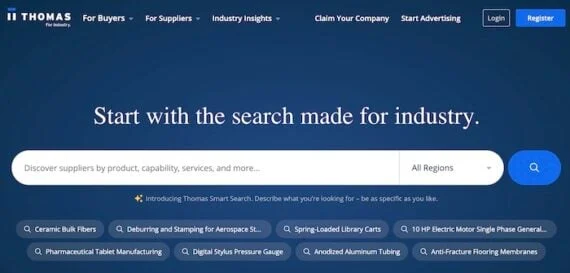
The critical task of finding reliable manufacturing partners is typically initiated through online directories, such as Thomasnet, which lists industrial suppliers and manufacturers, and Alibaba, a global B2B marketplace. Trade shows and established industry networks also serve as vital platforms for discovering potential collaborators. The vetting process involves requesting detailed quotes, comparing minimum order quantities (MOQs), and, crucially, ordering product samples to assess quality firsthand.
While overseas manufacturers, particularly in Asia, often present lower per-item production costs, domestic suppliers offer distinct advantages. These include faster shipping times, more streamlined communication due to fewer time zone barriers and shared language, and enhanced oversight of quality control processes. The decision between domestic and international sourcing is a strategic one, balancing cost efficiencies against logistical complexities and quality assurance needs.
4. Crafting the Brand Identity and Packaging
The transformation of a functional product into a desirable offering hinges on effective branding. This stage involves selecting a memorable brand name, designing a compelling logo, and creating packaging that eloquently communicates the product’s value proposition and market positioning. Packaging plays a dual role: it must ensure the product’s durability during transit and handling, while also contributing to an engaging and memorable unboxing experience for the customer.
Generative AI tools can significantly expedite this creative process. They can assist in drafting persuasive product descriptions, brainstorming innovative branding concepts, and even generating visual mockups of packaging designs for preliminary testing, thereby reducing the time and cost associated with traditional design iterations before committing to final production.
5. Ensuring Compliance and Finalizing Specifications
Before production can commence, the retailer and manufacturer must meticulously finalize all product specifications and confirm adherence to relevant compliance requirements. This includes detailed documentation of materials, precise dimensions, specific packaging instructions, and accurate labeling. Certain product categories are subject to stringent regulatory standards and may necessitate official third-party testing and certification to ensure safety and marketability. This due diligence is paramount to avoid regulatory hurdles and potential product recalls.
6. Strategizing Logistics and Fulfillment
With product specifications locked in, the retailer must determine the most efficient methods for storing and distributing their inventory. Key decisions include whether to manage warehousing and order fulfillment in-house or to outsource these functions to a third-party logistics (3PL) provider. Comprehensive logistics planning encompasses estimating freight costs, calculating lead times from the manufacturer to the warehouse, and establishing robust inventory management systems to prevent stockouts or overstocking.
7. Placing the Initial Production Order
Upon final approval of the product sample and all associated specifications, the retailer places the first production order. This order represents the culmination of extensive negotiations concerning unit price, payment terms, production timelines, and quality expectations. It officially initiates the manufacturing process and marks the transition from product development to commercial readiness.
8. Executing a Strategic Launch
A well-orchestrated launch is crucial for generating initial momentum and building early traction. Launch strategies often involve a multi-channel approach, including targeted email marketing campaigns, paid advertising across digital platforms, engaging social media content, and collaborations with relevant influencers. Securing initial customer reviews is particularly vital for establishing credibility and social proof, which can significantly influence future purchasing decisions. AI-powered advertising tools can further optimize campaign performance by assisting with audience targeting and bid management as real-time performance data becomes available.
9. Iterative Improvement and Expansion
The launch is not the conclusion of the process but rather the beginning of an ongoing cycle of refinement and growth. By diligently analyzing customer reviews, return data, and sales performance metrics, retailers can identify areas for product improvement. These enhancements might involve refining materials, optimizing packaging, or developing new product variations and extensions to meet evolving market demands. This iterative approach ensures that private-label products remain competitive and continue to meet or exceed customer expectations over time.
In essence, private-label products empower e-commerce companies and brick-and-mortar retailers alike to transcend the role of mere resellers and to cultivate merchandise that is intrinsically linked to their own brand identity, fostering deeper customer relationships and establishing a more resilient and profitable business model.

