

This week’s landscape of new product and service introductions for e-commerce merchants is marked by a significant surge in AI-driven solutions, a deepening focus on international trade facilitation, and innovative approaches to customer engagement across digital channels. From streamlining complex international shipping processes and enabling seamless cross-border payments to revolutionizing advertising and personalizing shopping journeys, these advancements signal a pivotal shift in how businesses operate and connect with consumers globally. The innovations span crucial areas including logistics, payments, marketing, social commerce, dropshipping, and reputation management, reflecting an industry rapidly adapting to the evolving demands of digital commerce.
Revolutionizing Global Trade and Logistics with AI and Digital Tools
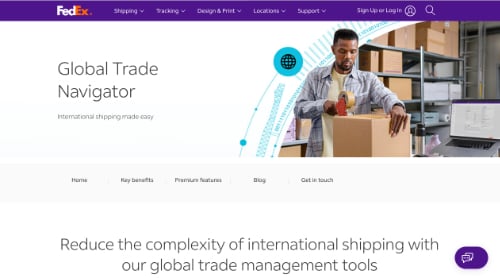
The complexities of international shipping and cross-border trade are being significantly addressed by new digital toolsets and strategic partnerships. FedEx Corp. has launched Global Trade Navigator, a comprehensive suite of digital tools designed to simplify the intricacies of international shipping for businesses of all sizes. This initiative aims to demystify customs regulations, duties, and taxes, a persistent challenge for merchants expanding their reach beyond domestic borders.
Within Global Trade Navigator, the Trade Planner feature offers self-service guidance directly on FedEx.com, eliminating the need for users to log in, thereby enhancing accessibility. Complementing this, the Duty and Tax app, integrated with platforms like Shopify, empowers merchants to provide customers with a duty and tax guarantee at checkout. This transparency can significantly reduce cart abandonment and build consumer confidence in international purchases. Furthermore, the introduction of Global Trade APIs allows for deeper integration of critical trade information, including product classifications, estimated duties and taxes, and regulatory data, directly into merchant systems. The Ship Manager tool provides granular detail on Harmonized System (HS) code classifications, customs values, and country-of-manufacture information, equipping merchants with the precise data needed for accurate declarations and compliance.
This move by FedEx is particularly timely, as global trade volumes continue to show resilience, albeit with increasing regulatory scrutiny. According to the World Trade Organization, global trade in goods experienced a notable rebound in 2023, and projections indicate continued growth. However, the complexity of navigating diverse customs regimes and tariffs remains a significant hurdle, particularly for small and medium-sized enterprises (SMEs). FedEx’s comprehensive digital suite directly addresses this pain point, aiming to unlock new markets for businesses by lowering the barriers to entry for international e-commerce.
In a parallel development, DHL Group has announced a strategic partnership with Alibaba.com to integrate AI-powered logistics capabilities into the global B2B marketplace. This collaboration will focus on enhancing logistics services for SMEs engaged in international trade. The core of this partnership lies in integrating DHL Global Forwarding’s extensive logistics network with Alibaba.com’s agentic AI platform, Accio. The initial planned feature will enable businesses to obtain real-time freight forwarding quotes and evaluate shipping options directly through Accio, facilitating the booking of shipments with unprecedented ease.

This alliance is poised to democratize access to advanced logistics solutions for smaller businesses. Historically, SMEs have faced challenges in securing competitive shipping rates and navigating the complexities of international freight forwarding, often requiring dedicated logistics managers or agents. By leveraging AI and integrating DHL’s services into Alibaba.com’s platform, this partnership aims to provide a more streamlined, transparent, and cost-effective experience. The move aligns with the growing trend of AI adoption in supply chain management, where predictive analytics and intelligent automation are proving instrumental in optimizing routes, reducing transit times, and mitigating risks. The increasing reliance on e-commerce for B2B transactions further underscores the importance of efficient and accessible logistics for global trade.
The AI-Powered Payments Revolution: Enhancing Security and Efficiency
The financial technology sector is witnessing a profound transformation driven by AI, with major players collaborating to establish new payment standards and enhance security protocols. Ant International, the payment and financial technology company behind the Alipay+ wallet gateway, has joined forces with Visa and Mastercard to develop a novel payments standard leveraging AI agents. This ambitious collaboration aims to address the burgeoning use of AI agents in commerce by establishing robust frameworks for agent identification and behavior monitoring.
A key focus of this partnership is the concept of "know your agent," which involves creating common standards to link each AI agent to a verifiable entity. This initiative is critical for building trust and security in an era where AI agents are increasingly facilitating transactions on behalf of consumers. By establishing clear identification and ongoing monitoring of agent behavior, the collaboration seeks to mitigate risks associated with fraudulent activities and ensure a more secure payment ecosystem. The development of such standards is vital as AI agents move from simple task execution to more complex financial interactions, potentially managing budgets, making purchasing decisions, and processing payments. The implications for consumer protection and regulatory compliance are substantial, as this framework will likely set a precedent for how AI-driven financial interactions are regulated and secured.
Further underscoring the impact of AI on commerce infrastructure, M11 Labs has launched an agentic trust platform and marketplace, OpenMarket. This platform is designed to enhance trust and accuracy in AI-driven commerce by enabling brands to maintain agent accuracy and detect competitive threats. OpenMarket operates on the Universal Commerce Protocol, facilitating a unique environment where shoppers express their needs, brand agents compete to fulfill those requests, and M11 Labs rigorously verifies every claim made by these agents in real-time. This dynamic process not only ensures the integrity of agent recommendations but also generates valuable research data for M11 Labs.
The launch of OpenMarket addresses a critical gap in the emerging agentic commerce landscape: the need for verifiable trust. As AI agents become more sophisticated and capable of making independent purchasing decisions, ensuring their reliability and preventing deceptive practices is paramount. By creating a system where agent claims are constantly validated against real-world data and brand offerings, M11 Labs is building a foundation for a more transparent and trustworthy AI-driven marketplace. This approach could significantly influence how brands engage with AI agents and how consumers perceive and interact with them, fostering greater adoption and confidence in AI-powered shopping experiences.
Conversational Commerce and AI Assistants Reshape Consumer Engagement
The integration of AI into conversational platforms is rapidly transforming how brands interact with consumers, offering personalized experiences and simplifying the shopping journey. Amazon Ads has entered into a pilot program with OpenAI, enabling advertisers to extend their Amazon Ads campaigns into a conversational experience within ChatGPT. This collaboration allows advertisers to engage with customers directly as they explore product options, compare choices, and make purchasing decisions within the ChatGPT interface.
This partnership represents a significant step towards blurring the lines between advertising platforms and conversational AI interfaces. By enabling advertisers to leverage their existing Amazon Ads campaigns within ChatGPT, Amazon is tapping into a new channel for customer engagement. The pilot program, currently involving select U.S. advertisers, is expected to provide valuable insights into the effectiveness of conversational advertising in influencing consumer behavior. The ability to interact with brands and products through natural language prompts within a widely used AI model like ChatGPT could lead to more intuitive and engaging shopping experiences, potentially boosting conversion rates and customer satisfaction.
In a similar vein, Instacart has introduced Clementine, an AI-powered grocery shopping assistant now available to shoppers across North America on the Instacart Marketplace. Clementine aims to simplify the grocery planning and shopping process by understanding user needs through natural language prompts. The company has also expanded its Cart Assistant, a white-label AI shopping tool for retailers. This allows grocers to offer a branded, AI-powered shopping experience powered by their own product catalogs and customer data, leveraging the same advanced intelligence behind Clementine.
The introduction of Clementine and the expansion of Cart Assistant highlight the growing trend of AI assistants taking on more complex consumer tasks. For grocery shopping, which can often be time-consuming and involve complex decision-making (e.g., meal planning, dietary considerations), AI assistants offer a valuable solution. By providing personalized recommendations, managing shopping lists, and even assisting with recipe-based shopping, these tools can significantly enhance convenience and reduce the cognitive load for consumers. The white-label offering for retailers further empowers them to compete in the evolving digital landscape by offering sophisticated AI-driven tools that can be customized to their brand identity.
Mastercard is also actively shaping the future of AI-driven commerce with the introduction of Agent Connect, a new platform designed to scale AI shopping experiences. Agent Connect, part of the broader Agent Suite for Merchants, aims to simplify the integration process for merchants, AI agents, and digital platforms, enabling seamless transactions. Merchants using Agent Connect can choose how and where they participate in AI-driven shopping environments, maintaining control over crucial aspects like pricing, fulfillment, customer relationships, brand experience, and business rules.
This initiative by Mastercard is crucial for fostering widespread adoption of AI shopping. By providing a unified integration point, Agent Connect lowers the technical and operational barriers for merchants to connect with various AI agents and platforms. The emphasis on merchant control is also a key differentiator, addressing potential concerns about losing autonomy in an increasingly AI-mediated marketplace. This approach ensures that merchants can harness the power of AI without compromising their brand integrity or business objectives, thereby facilitating a more equitable and sustainable growth of AI shopping.
The development of the AI agent ecosystem is further supported by Lightsage (formerly Sapient), which has raised $4 million in funding to build a comprehensive "growth stack" for AI agents. Lightsage’s platform enables large-scale simulations across various answer engines and coding agents, allowing companies to benchmark their performance against competitors and analyze future market dynamics. The platform also provides analytics on real agent traffic, offering deep insights into how AI agents interact with online content.

This funding for Lightsage underscores the significant investment and strategic importance placed on the AI agent market. As AI agents become more sophisticated and autonomous, understanding their behavior, impact, and growth potential is critical for businesses. Lightsage’s focus on agent evaluation, analytics, attribution, and optimization directly addresses this need, providing businesses with the tools to effectively leverage AI agents for growth and market penetration. This development signals a maturing market where specialized platforms are emerging to support the complex ecosystem of AI-driven commerce.
Enhancing Marketing and Customer Relationships with Integrated AI and Data
The integration of advanced marketing technologies, particularly those leveraging AI and customer data, is becoming increasingly vital for businesses seeking to connect with their audiences effectively. Mntn, a connected TV ad company, and Klaviyo, a prominent email marketing and B2C CRM platform, have announced an integration that brings Mntn’s Performance TV advertising capabilities into Klaviyo’s email and text marketing workflows. This integration allows marketers to leverage Klaviyo audiences on Mntn Performance TV and, conversely, use ad exposure data to trigger automated email and SMS marketing journeys within Klaviyo.
This collaboration represents a significant advancement in omnichannel marketing. By connecting TV advertising with customer relationship management tools, marketers can achieve a more unified and personalized approach to customer engagement. The ability to target specific audiences with relevant ads on connected TV and then retarget them with personalized messages via email or SMS creates a powerful feedback loop, enhancing campaign effectiveness and customer journey orchestration. This integration is particularly valuable in the current fragmented media landscape, where reaching consumers across multiple touchpoints with consistent messaging is crucial for building brand loyalty and driving conversions.
Expanding Cross-Border Capabilities and Social Commerce
The global reach of e-commerce is further amplified by new solutions designed to facilitate payments and transactions in emerging markets and through social channels. Xflow, a cross-border payments platform backed by industry giants like Stripe, PayPal Ventures, and General Catalyst, has launched India collections, enabling global businesses to receive payments from customers in India. This service simplifies the process for international businesses to accept payments via cards, bank transfers, and UPI, with funds settled directly in their own currency without requiring them to establish a local entity or navigate complex Indian regulations.
The launch of Xflow’s India collections is a significant development for businesses looking to tap into India’s rapidly growing e-commerce market. India has emerged as a key player in global digital commerce, with a burgeoning middle class and increasing smartphone penetration driving online spending. However, navigating the intricacies of local payment methods and regulatory frameworks has been a persistent challenge for foreign businesses. Xflow’s solution directly addresses this by providing a seamless and compliant way to collect payments, thereby unlocking new revenue streams and facilitating broader market penetration for global merchants.
In East Africa, Mastercard has partnered with Flowcart, an e-commerce platform built for WhatsApp, to embed secure card payment capabilities directly into social and conversational commerce experiences. This initiative aims to enable consumers to discover products, place orders, and complete payments within a single chat-based journey, eliminating the need to redirect users to external websites or apps. Initially launching in Kenya, the partnership plans to expand across East Africa and into key markets like South Africa and Nigeria.

This collaboration signifies a major stride in the evolution of social commerce, particularly in regions where mobile-first engagement and social media platforms are dominant. By integrating payments directly into messaging apps like WhatsApp, Mastercard and Flowcart are removing friction from the purchasing process, making it more convenient and accessible for consumers. This approach is especially relevant in emerging markets where mobile penetration often outpaces desktop internet access, and social platforms serve as primary channels for discovery and interaction. The focus on secure, seamless transactions within these familiar environments is expected to accelerate the adoption of e-commerce in these regions.
Meanwhile, Telesign, a digital identity platform, has partnered with B2Metric, a customer data and analytics company, to enhance conversational commerce. By combining B2Metric’s predictive analytics with Telesign’s secure messaging API for WhatsApp and email, this partnership aims to empower brands to identify critical shopping moments and engage shoppers through their preferred communication channels. The stated goal is to make conversational commerce smarter, more secure, and more scalable.
This partnership addresses the growing demand for personalized and timely customer interactions in the digital space. By leveraging predictive analytics, brands can anticipate customer needs and proactively engage them with relevant information or offers. Telesign’s secure messaging capabilities ensure that these interactions are conducted safely and efficiently across popular channels like WhatsApp and email. This integration is poised to improve customer engagement, reduce response times, and ultimately drive higher conversion rates by providing a more contextual and responsive conversational commerce experience.
Empowering Amazon Sellers and Retailers with AI-Driven Insights and Tools
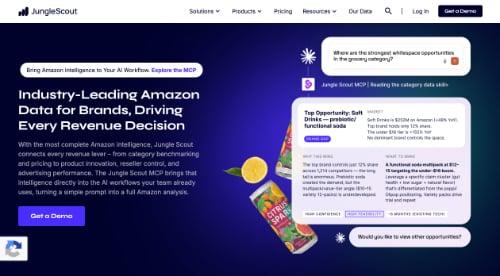
The landscape for online sellers, particularly on platforms like Amazon, is being significantly enhanced by new AI-powered tools that offer deeper market insights and streamline operations. Jungle Scout, a leading provider of research and insights for Amazon sellers, has launched AI Solutions, featuring two key products: Ask Cobalt and the Jungle Scout MCP. Ask Cobalt provides a conversational interface where sellers can query a brand’s performance, category trends, or competitive positioning. The Jungle Scout MCP integrates this data directly into popular AI tools such as Claude, ChatGPT, Gemini Enterprise, and Microsoft Copilot, making powerful insights accessible within existing workflows.
The introduction of AI Solutions by Jungle Scout represents a pivotal moment for Amazon sellers. The ability to interact with complex market data through natural language queries democratizes access to critical business intelligence. Previously, extracting and analyzing this data required specialized knowledge and significant time investment. Ask Cobalt and the MCP integration allow sellers to quickly gain actionable insights, enabling them to make more informed decisions about product selection, market entry, and competitive strategy. This move is expected to level the playing field, empowering both new and established sellers to navigate the competitive Amazon marketplace more effectively.
Streamlining Dropshipping and Automating Reputation Management
Innovations are also emerging in specialized areas like dropshipping and online reputation management, with AI playing a central role in enhancing efficiency and effectiveness. TopDawg, a prominent dropshipping platform and wholesale supplier network, has announced a live integration with Temu, the rapidly growing online marketplace. This integration allows eligible retailers with a Temu seller account to connect their account to TopDawg, enabling them to expand their selling strategies by sourcing products from U.S.-based suppliers. The platform facilitates product identification, listing preparation, inventory management, and order fulfillment through participating suppliers.
The integration of TopDawg with Temu is a significant development for retailers seeking to diversify their sales channels and leverage the rapidly growing popularity of platforms like Temu. For dropshippers, the ability to seamlessly connect with a major marketplace and access a network of U.S.-based suppliers offers a competitive advantage. This partnership simplifies the process of expanding into new markets and sourcing products, potentially leading to increased sales volume and operational efficiency for retailers. It reflects the ongoing trend of platforms and marketplaces forming strategic alliances to create more robust and interconnected e-commerce ecosystems.
In the realm of online reputation, RankRabbit AI has launched Reputation AI, a tool designed to automate the monitoring and management of a business’s online reputation across multiple platforms. This tool provides real-time review monitoring, applies sentiment analysis to identify negative trends, and generates draft responses for review and publication. Reputation AI is the fourth product in RankRabbit AI’s brand visibility suite, following Search AI, Listing AI, and Social AI.
The automation of online reputation management is becoming increasingly critical for businesses, as online reviews significantly influence consumer purchasing decisions. RankRabbit AI’s Reputation AI addresses this need by streamlining the process of managing customer feedback. The ability to monitor reviews in real-time, analyze sentiment, and generate draft responses efficiently can save businesses considerable time and resources, while also ensuring a consistent and timely approach to customer feedback. This tool is particularly valuable for businesses seeking to maintain a strong online presence and build trust with potential customers in an increasingly review-driven marketplace.
Finally, SurveyMonkey has introduced its AI Analysis Suite and new design tools, aiming to simplify the process of gathering and interpreting customer feedback. The AI Analysis Suite allows users to interact with survey and form results using conversational language and automatically categorizes open-ended text responses into key themes. The accompanying design toolkit enables users to create surveys and forms more efficiently by transforming questions and automatically generating branded themes.
The integration of AI into survey platforms like SurveyMonkey marks a significant advancement in customer feedback analysis. Traditionally, analyzing open-ended responses could be a laborious and time-consuming task. SurveyMonkey’s AI Analysis Suite automates this process, enabling businesses to quickly identify key insights and themes from qualitative data. This accelerates the feedback loop, allowing businesses to act on customer input more rapidly. The enhanced design tools further streamline the survey creation process, making it easier for businesses to gather valuable feedback and translate it into actionable strategies for improvement. This development underscores the broader trend of AI adoption across all facets of business operations, from customer acquisition and sales to feedback and reputation management.

