

Google Ads video sequence campaigns offer a powerful, yet often underutilized, method for advertisers to craft compelling narratives and guide viewers through a structured brand journey on YouTube. Unlike other video ad formats that may present multiple clips, sequence campaigns uniquely deliver these videos in a predetermined, sequential order to individual viewers, ensuring a consistent and carefully orchestrated brand message. While standard YouTube ad types are widely recognized for driving awareness and reach, sequence campaigns excel in their ability to foster deeper engagement and build brand familiarity through a controlled, step-by-step storytelling approach.
The core strength of video sequence campaigns lies in their ability to present a brand’s story in a logical progression, akin to a mini-series or a guided product demonstration. This controlled narrative flow allows advertisers to address different facets of their offering or brand message at opportune moments in the viewer’s journey. Google provides six distinct sequence campaign templates, each designed to serve a specific marketing objective, from initial awareness to driving conversion. These templates offer a framework for advertisers to align their video content with their overarching campaign goals, ensuring that each step in the sequence contributes effectively to the desired outcome.
Campaign Setup: Navigating the Google Ads Interface
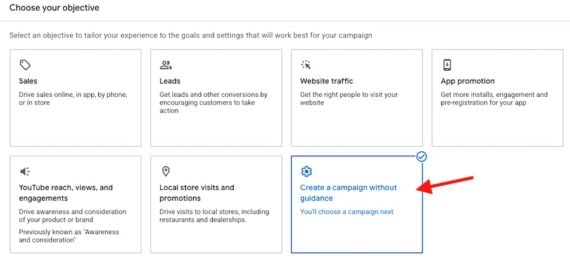
Initiating a video ad sequence campaign within Google Ads requires a specific pathway. Advertisers must begin by selecting the "Create a campaign without guidance" option. Subsequently, the "Video" campaign type is chosen. It is crucial to note that opting for the "YouTube reach, views, and engagements" objective will not present the ad sequence functionality. Instead, after selecting the "Video" campaign type, advertisers must then choose the "Ad sequence" subtype. This precise selection is the gateway to unlocking the sequential storytelling capabilities.

Upon selecting the "Ad sequence" subtype, advertisers are prompted to configure their campaign settings. A critical aspect of video sequence campaigns is the bidding strategy. Advertisers are restricted to using "target CPM" (cost per thousand impressions) bidding. This bidding model is particularly well-suited for awareness-focused campaigns, as it prioritizes reaching a broad audience. Furthermore, to prevent ad fatigue and ensure a positive viewer experience, sequence campaigns necessitate the implementation of frequency capping. This feature allows advertisers to limit how often a single individual can view the entire video sequence, with options to set the cap at once every 7 or 30 days. This control is vital for maintaining viewer engagement and preventing the campaign from becoming intrusive.
Deconstructing the Sequence: Ad Groups and Step Transitions
The fundamental building block of a video ad sequence campaign is the ad group, with each step in the sequence corresponding to a distinct ad group. For instance, a sequence comprising four video steps will translate into four separate ad groups. Within each ad group, advertisers define the individual video asset, the accompanying headline, and the call-to-action (CTA). This granular control allows for tailored messaging at each stage of the narrative.
The transitions between video steps are a key feature that imbues sequence campaigns with their dynamic storytelling power. Videos beyond the first in the sequence require a defined transition trigger, offering three distinct options: "impression," "view," or "skip." For example, the second video in a sequence might be programmed to play only after the first video has registered an impression. Similarly, the third video could be triggered by a view of the second video, or even a skip of a particular element within the second video, allowing for more nuanced branching narratives. Advertisers can customize these step transitions extensively to construct the precise narrative arc they envision for their brand message. This level of control allows for sophisticated storytelling, where the audience’s interaction with one video directly influences the next piece of content they see.
To facilitate the creation of perfectly timed and impactful video clips, Google’s Asset Studio offers a valuable "Trim videos" option. This tool empowers advertisers to efficiently shorten existing video assets, ensuring they fit seamlessly into the defined steps of their sequence. The Asset Studio supports a variety of video formats and durations, making it a versatile resource for campaign preparation. While the Asset Studio can also generate AI-powered videos, it is advisable for advertisers to exercise caution and rigorous testing when incorporating such content into sequential campaigns, particularly to ensure brand consistency and message integrity. The ability to precisely edit video lengths is crucial for maintaining viewer attention and delivering concise, impactful messages at each stage of the sequence.
Real-World Application: The Yarbo Robot Lawn Mower Example
To illustrate the practical application of video sequence campaigns, consider the hypothetical scenario of Yarbo, a company specializing in robot lawn mowers. Yarbo’s marketing team might aim to execute an "Introduce and reinforce" sequence. They could begin by taking their existing product demonstration video and strategically dividing it into two distinct parts.
The first video segment, designed for introduction, could feature a headline such as "Save Time." The accompanying CTA might be "Learn more," directing viewers to Yarbo’s homepage. This initial step aims to capture attention by highlighting a key benefit and providing an easy entry point for interested prospects. The goal here is to pique curiosity and establish initial brand awareness.
Following this introduction, the second video segment, designed for reinforcement and conversion, could carry a headline like "Labor Day Sale." The CTA would be more direct, such as "Buy now," linking to the main product page. This step capitalizes on the initial interest generated by the first video, offering a compelling reason to act and a clear path to purchase. The Yarbo team could further optimize this strategy by A/B testing different headlines and landing pages to identify the most effective combinations for driving conversions. This iterative approach is a cornerstone of successful digital advertising.
Alternatively, using the same core demo video, Yarbo could craft an "Engage and differentiate" sequence. This might involve breaking down the demo into four shorter, 15-second clips. Each clip could focus on a specific, compelling feature or benefit of the robot lawn mower, such as its autonomous navigation, its quiet operation, its eco-friendly design, or its ease of use. The sequence could build a compelling case for the product by highlighting these distinct advantages sequentially, each building upon the appeal of the previous one. This approach allows for a more detailed exploration of the product’s value proposition, catering to viewers who may require more information before making a decision.

Measuring Success: Key Performance Indicators for Sequence Campaigns
The primary objective of video ad sequence campaigns is to cultivate demand and foster meaningful engagement with the brand. To gauge the effectiveness of these campaigns, Google Ads provides a suite of specific metrics. Among the most critical are:
- Impressions: The total number of times the ads in the sequence were displayed to viewers.
- Views: The number of times viewers watched a significant portion of the video ads, as defined by Google’s view-through rate criteria.
- View-through Rate (VTR): This metric represents the percentage of impressions that resulted in a view. A higher VTR indicates that the video content is compelling enough to hold viewers’ attention.
- Completion Rate: For each video in the sequence, this metric indicates the percentage of viewers who watched the entire video. A low completion rate for a particular video might signal that the content is too long, not engaging enough, or not relevant to the target audience at that stage.
- Sequence Completion Rate: This is a paramount metric, indicating the percentage of viewers who watched the entire video sequence from beginning to end. A high sequence completion rate signifies that the narrative is captivating and effectively guiding viewers through the intended journey.
- Engagement Metrics: Beyond these core metrics, advertisers can also track engagement such as clicks on CTAs, shares, and likes, although the primary focus for sequence campaigns remains on completing the narrative.
Advertisers are also encouraged to monitor traditional metrics like clicks and conversions. However, it is essential to reiterate that the ultimate goal of sequence campaigns is deep engagement, which is best reflected by the specialized metrics mentioned above. For instance, if a video within the sequence sees only 10% of viewers watching it to completion, it signals a clear need for optimization. This could involve revising the video’s content, shortening its duration, or re-evaluating its placement within the sequence to better align with viewer expectations and engagement patterns. By closely analyzing these metrics, advertisers can refine their video content, transition triggers, and overall campaign structure to maximize their impact and achieve their storytelling objectives on YouTube. The ability to interpret these results provides a data-driven roadmap for continuous improvement and ensures that each iteration of the campaign becomes more effective than the last.

