
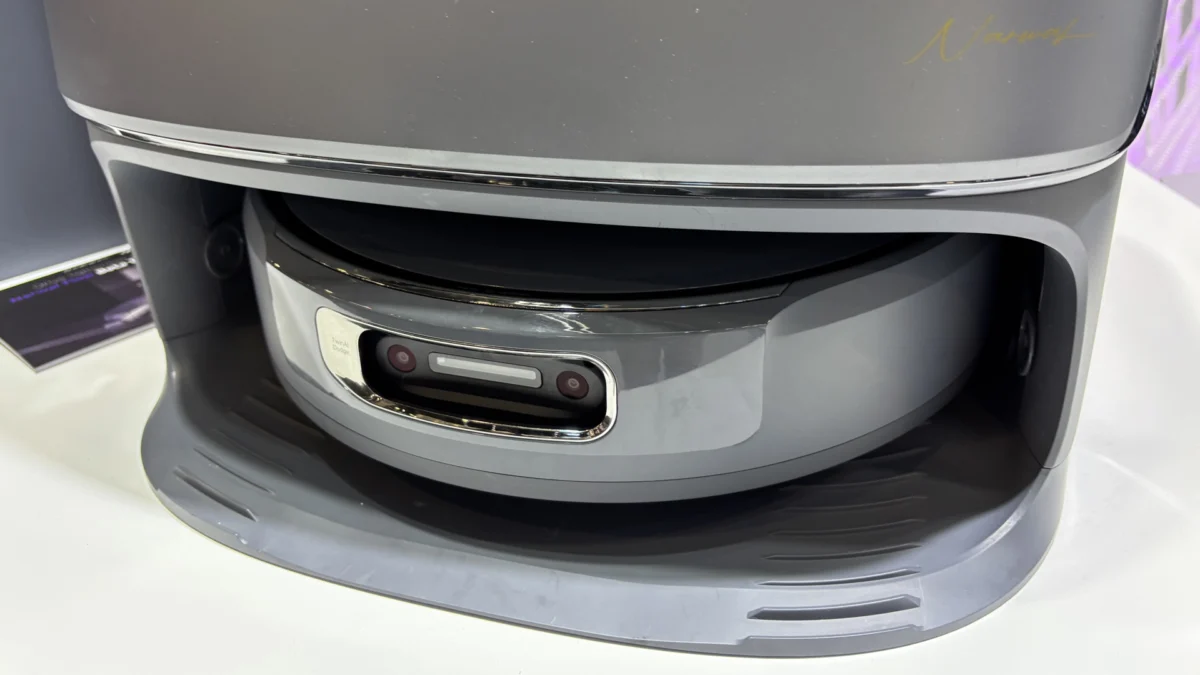
The competitive arena of robotic home cleaning has intensified with two prominent brands, Roborock and Narwal, solidifying their distinct market positions. For the past two years, Narwal has meticulously cultivated a reputation for unparalleled dedication to mopping technology, while Roborock has consistently defended its status as the premium default choice, prioritizing powerful suction and an intuitive app-first user experience. This rivalry is particularly potent as both companies are currently navigating their product cycles, with Narwal’s latest roller-mop innovation, the Flow 2, directly challenging Roborock’s recently unveiled Saros 20 and Saros 10 models. This timely comparison offers valuable insights for consumers navigating the increasingly sophisticated market for automated home maintenance. To contextualize this rivalry within the broader market, a review of leading robot vacuum cleaners, including current rankings of both brands, is essential.
Narwal vs. Roborock: A Snapshot of Current Lineups and Pricing Strategies
The most pertinent contemporary comparison pits Narwal’s Flow 2 against Roborock’s Saros 20 and Saros 10. All three devices have either recently launched or seen expanded availability within a narrow timeframe, underscoring the dynamic nature of this sector. Roborock’s established brand archive reveals the Saros 20’s debut at CES 2026, positioning it as the company’s new flagship. This places it above the existing Saros 10 and Saros 10R models, which continue to be offered as more accessible entry points into the Roborock ecosystem.
Narwal’s Flow 2, on the other hand, represents the evolution of its original Flow model, specifically designed as a successor that enhances roller-mop capabilities. It is this Flow 2 that is most frequently positioned against the Roborock Saros 20 in direct comparisons. Pricing for these advanced models is subject to considerable variation based on retailers and geographical regions. Neither company has established a singular, fixed pricing structure for every configuration in key markets like the UK at the time of this report, necessitating direct checks of current listings for accurate cost comparisons.
In the United States, where consumer interest in this particular comparison is significantly higher, the Saros 20 stands at the apex of Roborock’s product hierarchy as its most recent flagship. The Saros 10 is presented as a more attainable option, while the Narwal Flow 2 anchors Narwal’s current offerings as its primary roller-mop focused device. Roborock also maintains a diversified portfolio with its mid-range and entry-level Revo series. These robots, while potentially exhibiting compromises compared to their flagship counterparts, can represent compelling value propositions for budget-conscious consumers. Beyond the initial purchase price, the long-term cost of ownership is a critical consideration. Both brands necessitate the ongoing purchase of genuine mop pads, specialized cleaning solutions, and replacement filters to ensure optimal performance and longevity. Unfortunately, neither company provides definitive annual consumable cost estimates, making a direct comparison of total cost of ownership challenging without individual analysis. For UK consumers, the availability of model variants may be more limited compared to the US market, and it is imperative to verify exact specifications against reviewed models to ensure performance expectations align with local offerings.
Vacuuming and Suction Performance: Roborock’s Edge in Debris Pickup
Historically, Roborock has demonstrated a consistent advantage in independent laboratory testing for raw debris pickup capabilities. In previous generations, Narwal’s Freo X Ultra lagged behind Roborock in both debris collection efficiency and obstacle handling. This trend appears to continue with the current generation, as real-world testing indicates that the robust Roborock Saros 20 generally outperforms the Narwal Flow 2 across both carpeted and hard floor surfaces.
A notable advantage for Roborock, particularly in homes with mixed flooring types, lies in its flagship models’ ability to disengage their mop pads when transitioning to carpeted areas. This intelligent design prevents the mop pads from becoming saturated, which is crucial for maintaining carpet integrity and avoiding potential moisture damage. In contrast, Narwal’s robots are equipped with track-mops that can be elevated. While this feature facilitates navigation over short-pile carpets, there remains a risk of wetting deeper pile carpets, a consideration for households with varied floor coverings.
Mopping Prowess: Narwal’s Specialized Approach
Mopping is the cornerstone of Narwal’s brand identity, and its proprietary FlowWash system is a unique differentiator. This innovative technology employs a wide roller track designed to cover a larger surface area more effectively. It meticulously dispenses fresh water and simultaneously extracts accumulated dirt, aiming for a more thorough clean.
Roborock’s approach to mopping typically involves either spinning mop heads or oscillating mop pads. These systems, while effective, necessitate frequent washing and cleaning to prevent the redistribution of dirt across the floor. Extensive testing has revealed that Narwal’s mopping system generally exhibits superior performance, demonstrating a greater capacity to tackle tougher stains and achieve a cleaner finish more rapidly. This specialized focus on mopping has allowed Narwal to carve out a distinct niche in a market often dominated by suction-first designs.
Navigation and Obstacle Avoidance: A Narrowing Gap
Narwal has made significant strides in improving its navigation capabilities between product generations. The Narwal Flow 2, in particular, showcases substantially enhanced navigation algorithms, featuring detailed obstacle detection and avoidance systems. This progress has effectively closed much of the perceived gap between Narwal and Roborock in this critical area. Consequently, for consumers prioritizing advanced navigation, the distinction between the two brands is becoming increasingly negligible.
Roborock’s enduring strength in navigation stems from its mature mapping software and years of iterative product development. Its established systems provide a reliable and refined user experience. An inherent advantage of Roborock’s longevity in the market is that its older models and mid-range Qrevo products often outperform Narwal’s earlier generation offerings in terms of navigation and mapping precision. This suggests a consistent level of performance across a broader spectrum of their product lines.
App Experience and Reliability: Roborock’s Mature Ecosystem
Roborock’s companion app is widely regarded as the more feature-rich and polished of the two. Years of continuous development have resulted in an extensive array of customization options, allowing users to precisely control cleaning zones, schedules, and intensity. Generally, Roborock robots offer unparalleled flexibility in dictating where and how cleaning tasks are performed.
While Narwal’s app was initially more rudimentary, it has undergone significant improvements and has largely caught up to industry standards. In certain aspects, the Narwal Flow 2 even surpasses Roborock’s offerings. During testing of the Flow 2, users noted the ability to individually set the number of passes for vacuuming and mopping operations separately. To achieve a similar level of granular control with Roborock robots, users typically need to configure custom Routines within the app, adding an extra step to the customization process.
Regarding reliability, Roborock benefits from a longer track record in the market. This extended history provides a greater volume of user feedback and a more established reputation for long-term durability and consistent performance. While Narwal has demonstrated significant technological advancements, some consumers may still harbor reservations about its relatively shorter history in terms of long-term reliability and the availability of widespread, long-term user testimonials.
Availability and Pricing: Navigating the Global Market
The current pricing landscape for the Narwal Flow 2 and Roborock Saros 20/10 is a complex tapestry woven by retailer markups, regional availability, and promotional offers. Neither company has committed to a single, universally published price point for all configurations in key markets such as the UK. This necessitates diligent research by potential buyers to compare costs across the product ranges directly from retailers.
In the United States, the Saros 20 commands the position of Roborock’s premier flagship, with the Saros 10 serving as a more accessible option. The Narwal Flow 2 anchors Narwal’s current lineup as its flagship roller-mop device. Roborock’s strategic market segmentation extends to its Revo series, which offers a balance of features and affordability, representing a viable alternative for those seeking advanced functionality without the premium price tag of its top-tier models.
The economic considerations extend beyond the initial purchase price to encompass the ongoing costs of consumables. Genuine mop pads, cleaning solutions, and replacement filters are essential for maintaining the operational integrity of both Narwal and Roborock systems. The absence of published annual consumable expenditure figures from either manufacturer complicates the direct comparison of total cost of ownership. For consumers in the UK, the diversity of available model variants may be less extensive than in the US. It is therefore crucial for UK buyers to confirm that the exact specifications of any model under consideration align with those detailed in comparative reviews to ensure accurate performance expectations.
Verdict: Distinct Priorities, Evolving Competitors
Narwal and Roborock have successfully established themselves as brands catering to distinct consumer priorities rather than one simply eclipsing the other across all metrics. Narwal’s commitment to the roller-mop design, exemplified by the Flow 2, has garnered consistent acclaim from users for its superior hard-floor mopping capabilities. Furthermore, its latest generation has significantly narrowed the performance gap in obstacle handling, a domain where Roborock has traditionally excelled. However, Narwal’s app, while improved, still trails Roborock’s in terms of polish and feature depth. The brand’s shorter market presence may also contribute to some consumer caution regarding long-term reliability.
Roborock continues to offer a more mature software ecosystem and a broader selection of models, catering to a wider array of consumer needs and budgets. Independent laboratory testing continues to favor Roborock in areas of raw debris pickup and maintenance convenience, particularly across its established product generations.
Ultimately, the choice between Narwal and Roborock hinges on individual user priorities. Consumers who engage in daily mopping and prioritize the highest possible mopping results are likely to find Narwal’s specialized approach more appealing. Conversely, those who seek extensive app customization, greater flexibility in managing diverse cleaning environments, and the assurance of a longer-established support network may gravitate towards Roborock. Given that both brands are currently within active product cycles, this dynamic rivalry is poised for further evolution. Consumers can anticipate renewed competition and potentially significant advancements with the launch of each company’s next generation of robotic cleaning solutions. This ongoing innovation ensures that the landscape of automated home cleaning will remain a captivating and competitive space for the foreseeable future.

