
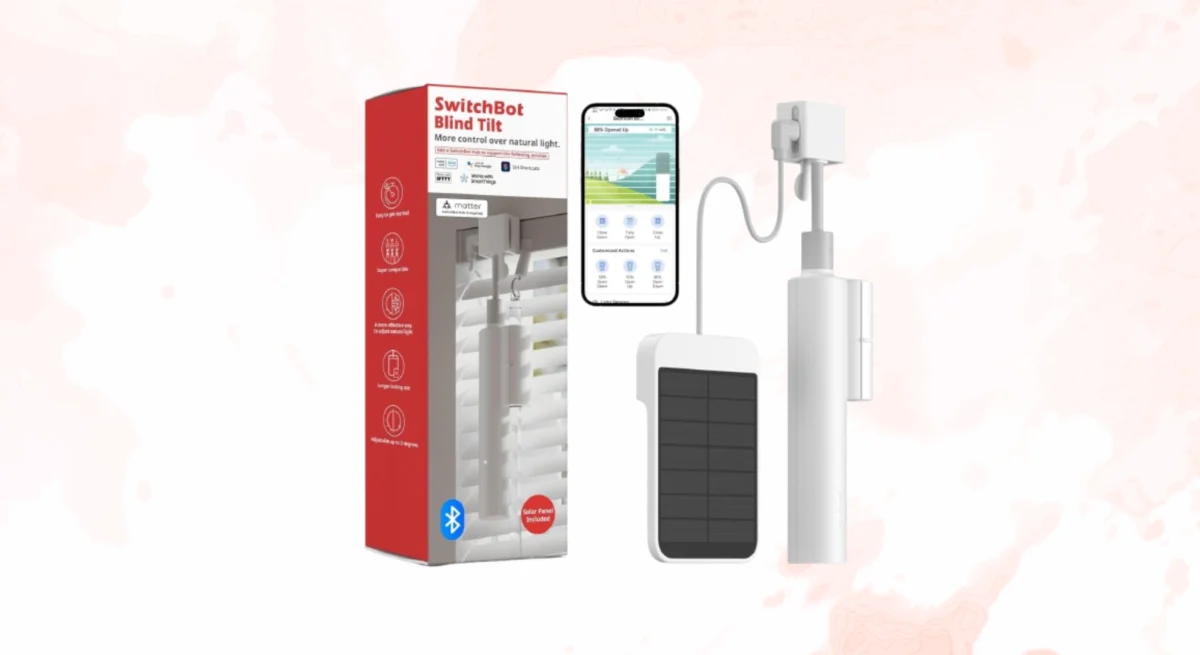
A groundbreaking smart home retrofit solution, the SwitchBot Blind Tilt, is now available at an unprecedented price point, offering consumers a significant opportunity to upgrade their window coverings without the substantial cost of full replacement. The device, which intelligently motorizes existing blinds, has seen its list price reduced by $16, bringing it down to $53.99 from its usual $69.99. This 23% discount marks a notable moment, pushing this accessible smart home upgrade below the $54 threshold for the first time in recent memory and making sophisticated home automation more attainable than ever.
The SwitchBot Blind Tilt has garnered considerable acclaim for its innovative approach to smart home integration. Unlike many smart home devices that require complex installations or complete system overhauls, the Blind Tilt is designed for effortless retrofitting. It attaches directly to the existing rotary mechanism of most louvre blinds, eliminating the need to dismantle or replace the blinds themselves. This plug-and-play functionality has positioned it as a leading option for homeowners seeking to add convenience and automation to their living spaces without extensive technical expertise or significant financial investment. The current promotional pricing further amplifies its appeal, presenting a compelling value proposition for a device that consistently earns high marks from users.
A Closer Look at the SwitchBot Blind Tilt
The appeal of the SwitchBot Blind Tilt lies in its simplicity and effectiveness. At its core, the device is a compact motor unit that seamlessly integrates with the tilt mechanism of standard louvre blinds. This means that instead of investing in entirely new motorized blinds, which can often run into hundreds or even thousands of dollars depending on the number and size of windows, consumers can repurpose their existing window coverings. The unit is designed to clip onto the existing rotary bar, a common component in many blinds, ensuring broad compatibility. This ingenious design significantly reduces installation time and complexity, making it a DIY-friendly solution for a wide range of users.
Installation and Powering the Device
The installation process for the SwitchBot Blind Tilt is remarkably straightforward. The device is engineered to attach to the blind’s control rod, typically a small bar or wand used for manual tilting. With dimensions accommodating rods between 6.2mm and 12mm in diameter, it covers a substantial portion of the blinds available on the market. The company states that no tools or professional assistance are required, and the entire setup can typically be completed within a couple of minutes. This ease of installation is a key differentiator, removing a common barrier to entry for smart home technology adoption.
Powering the device is another area where SwitchBot has focused on user convenience and sustainability. The Blind Tilt comes equipped with a built-in 2000mAh battery, which can be recharged through an included solar panel. This panel is designed to be affixed to the window, allowing it to capture ambient light and trickle-charge the battery. SwitchBot estimates that the solar panel can keep the battery topped up indefinitely under optimal lighting conditions, effectively eliminating the need for frequent battery replacements or manual charging. In scenarios with less sunlight, the battery alone is reported to last up to ten months on a single charge, with the company claiming up to three years of operation solely from solar power. This dual power strategy ensures consistent operation while minimizing environmental impact and user effort.
Smart Functionality and App Integration
Once installed and powered, the SwitchBot Blind Tilt connects wirelessly to the user’s home network via the SwitchBot app. This app serves as the central hub for controlling and automating the blinds. Through the app, users can schedule specific times for their blinds to open or close, effectively mimicking natural light cycles or enhancing home security. For example, blinds can be programmed to open gradually with a morning alarm, providing a gentle wake-up experience. Conversely, they can be set to close automatically as natural light diminishes in the evening, contributing to a more comfortable and energy-efficient environment.
The app also allows for custom automation based on various triggers. One notable feature is the integration with light sensors, enabling blinds to adjust based on ambient light levels. This can be particularly useful for managing glare or optimizing natural light for specific activities within a room. The motor operates at a remarkably low noise level, reportedly not exceeding 35 decibels. This ensures that the automated adjustments do not disrupt the household’s peace and quiet, making it suitable for use in bedrooms, nurseries, or any living space where tranquility is valued.
Scalability and Design Aesthetics
The SwitchBot Blind Tilt is designed to be scalable, allowing users to automate multiple blinds simultaneously. Up to four Blind Tilt units can be grouped and managed as a single entity within the SwitchBot app. This feature is particularly beneficial for households with multiple windows in a single room, such as living rooms or large bedrooms, where a coordinated approach to light control is desired. A single tap in the app can then adjust all the blinds in the group, providing a seamless and synchronized experience. This scalability makes the solution practical for both individual window automation and comprehensive room-wide control.

In terms of design, the SwitchBot Blind Tilt sports a discreet white finish, intended to blend unobtrusively with most window frames and blind designs. The device is compact and slim, designed to minimize its visual impact. Its aesthetic appeal was recognized with an iF Design Award in 2023, an accolade that highlights the successful integration of a functional motor within a sleek and unobtrusive housing. This design consideration ensures that the smart technology enhances rather than detracts from the overall interior decor.
Market Impact and Consumer Value
The current discount on the SwitchBot Blind Tilt is more than just a temporary price reduction; it represents a significant shift in the accessibility of smart home technology for window treatments. Historically, motorized blinds have been a premium feature, often requiring professional installation and a substantial upfront investment. The SwitchBot Blind Tilt, even at its regular price, offered a more budget-friendly alternative. With the current promotional pricing, the cost of smartifying a set of blinds is dramatically reduced, making it a compelling option for a much wider consumer base.
The device’s consistent high ratings, with a 4.4-star average based on over 1,500 customer reviews, underscore its reliability and user satisfaction. This level of positive feedback is particularly noteworthy for a product in the budget-friendly smart home category, where performance can sometimes be inconsistent. The sustained positive reception suggests that the SwitchBot Blind Tilt delivers on its promises of ease of use, effective automation, and reliable performance.
Broader Implications for the Smart Home Industry
The success of products like the SwitchBot Blind Tilt has several broader implications for the smart home industry. Firstly, it highlights a growing consumer demand for retrofittable smart home solutions. Many consumers are hesitant to undertake major renovations or replace perfectly functional existing appliances and fixtures to incorporate smart technology. Devices that can seamlessly integrate with what they already own offer a more practical and cost-effective path to smart home adoption.
Secondly, the competitive pricing of the Blind Tilt, especially with the current discount, puts pressure on traditional manufacturers of motorized blinds to innovate and potentially lower their own price points. As more affordable and accessible options enter the market, the entire segment of automated window coverings is likely to become more competitive, ultimately benefiting consumers.
Furthermore, the emphasis on solar power for the Blind Tilt aligns with the broader trend towards sustainable and energy-efficient smart home solutions. As energy costs continue to rise and environmental consciousness grows, consumers are increasingly seeking devices that can operate with minimal reliance on grid power. The success of solar-powered components in smart home devices could spur further innovation in this area.
Future Outlook and Potential Enhancements
The current iteration of the SwitchBot Blind Tilt has clearly resonated with consumers, offering a compelling blend of affordability, ease of use, and effective functionality. As the smart home market continues to evolve, it is plausible that SwitchBot and other manufacturers will explore further enhancements. These could include increased compatibility with a wider range of blind mechanisms, advanced smart home platform integrations (beyond basic app control, perhaps with direct support for platforms like Apple HomeKit, Google Home, or Amazon Alexa without requiring a separate hub), or even more sophisticated automation capabilities driven by AI and machine learning.
The long-term impact of this product and its current pricing strategy could be significant. By democratizing access to automated blinds, SwitchBot is not only providing a convenient upgrade for individual households but also contributing to the broader adoption of smart home technology. The success of such retrofittable devices suggests a promising future for smart home solutions that prioritize user-friendliness and economic viability, making advanced home automation accessible to a wider demographic than ever before. The current promotional price point of $53.99 for the SwitchBot Blind Tilt represents a key milestone in this ongoing evolution, marking a moment where sophisticated home automation becomes an attainable luxury for the average consumer.

