
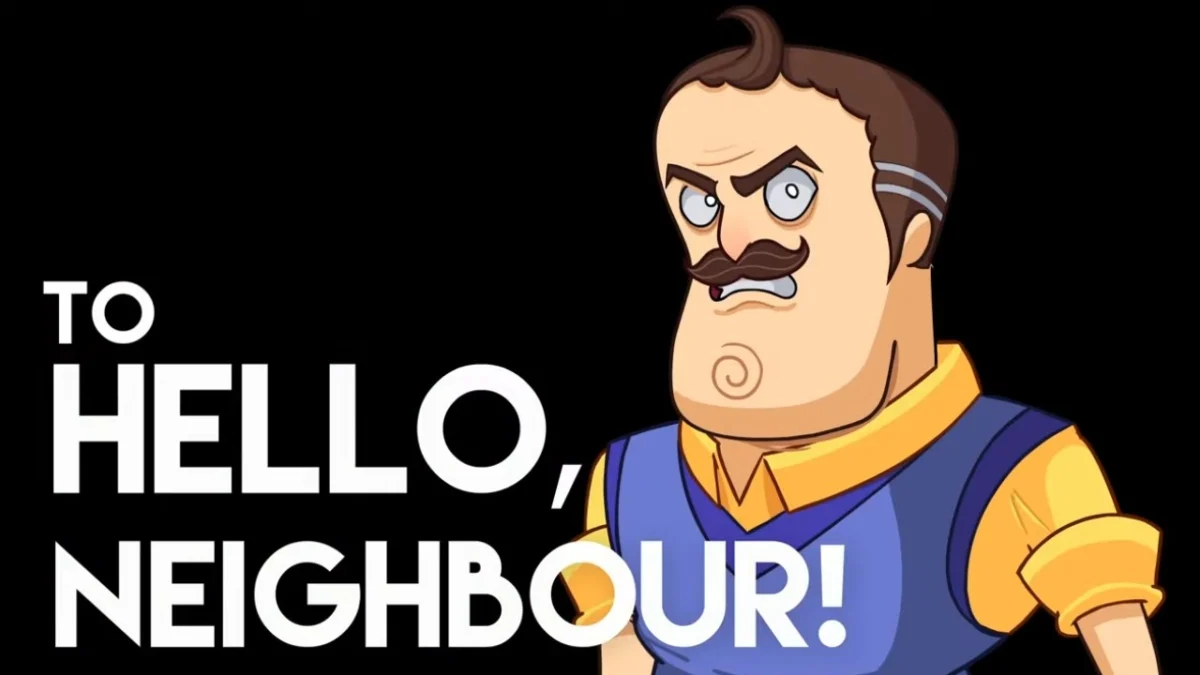
The digital landscape of 2026 has witnessed an unexpected resurgence of mid-2010s internet culture, specifically through the viral proliferation of the Yo Mama Hello Neighbor memes. This phenomenon, which bridges the gap between legacy YouTube animation and contemporary short-form video aesthetics, centers on a series of comedic clips produced by the long-standing "Yo Mama" YouTube channel. By repurposing content originally centered on the 2017 survival horror game Hello, Neighbor, modern content creators on platforms such as TikTok and X (formerly Twitter) have sparked a post-ironic movement that highlights the evolving nature of algorithmic humor and nostalgic consumption.
The Historical Genesis of the Yo Mama YouTube Channel
To understand the current virality of these memes, one must first examine the historical footprint of the Yo Mama YouTube channel. Launched during the early era of YouTube’s professionalization, the channel—created by Zack James and featuring the iconic animated host Brody Foxx—carved out a significant niche by producing thousands of "yo mama" jokes. These jokes were characterized by their colorful, often exaggerated animation style and the distinctive, high-energy voiceover provided by actor Brock Baker.
By the mid-2010s, the channel began incorporating trending pop culture elements into its joke formats to maintain relevance among younger demographics. This strategy led to a series of collaborations and themed episodes based on popular video games, including Minecraft, Roblox, and eventually, the stealth horror title Hello, Neighbor. Developed by Dynamic Pixels and published by tinyBuild, Hello, Neighbor became a staple of "Let’s Play" culture in 2017, making it a prime target for the Yo Mama channel’s topical humor.
On September 13, 2017, the channel uploaded its first dedicated Hello, Neighbor video. The content relied heavily on the game’s premise—a protagonist attempting to break into a mysterious neighbor’s house. One particular joke from this era, featured in a November 2017 follow-up, would eventually become the cornerstone of the 2026 meme trend: "Yo mama so stupid, when she wakes up she says ‘hello’ to Hello, Neighbor!" At the time of its release, the video garnered hundreds of thousands of views, but its transition from a standard animated joke to a viral template would take nearly a decade to materialize.
The 2026 Resurgence: A Chronology of Virality
The transition of this legacy content into a modern meme began in earnest during the summer of 2026. The catalyst for this revival was not a single high-profile post, but rather the intersection of automated content generation and TikTok’s recommendation algorithm.
In late July 2026, TikTokers began utilizing a legacy tool known as the "Yo Mama Randomizer" (hosted on yomamaso.net). This website allows users to generate randomized joke sequences by splicing together various setups and punchlines from the channel’s extensive library. On July 30, 2026, TikTok user @yaboykris_tt posted a video featuring a randomized result that concluded with the "says hello to Hello, Neighbor" punchline. The video was captioned to describe the experience of an incoherent argument with a younger individual, effectively using the non-sequitur nature of the joke as a comedic device. This post accumulated over 893,000 views within a single week, signaling a shift in how the audience perceived the dated material.
By early August, the trend had evolved into several distinct sub-genres:
- Lip Dubs: Users performed dramatic or ironic lip-syncs to the high-pitched voice of Brody Foxx.
- Comedy Skits: Creators like @holdendlarps integrated the "Hello, Neighbor" punchline into larger narrative contexts, such as the Super Bowl, to emphasize the absurdity of the joke’s premise.
- Absurdist Edits: High-speed edits that utilized the randomizer to create nonsensical, rapid-fire humor that aligns with "Gen Alpha" or "brain rot" aesthetic preferences.
On August 4, 2026, the trend reached a critical mass when @holdendlarps’ skit garnered over 2.7 million views in less than a week. This was followed by a significant acknowledgement from the source material itself; on August 7, Brock Baker, the original voice of Brody Foxx, posted a TikTok referencing the trend. Baker’s involvement provided a "full circle" moment for the meme, validating the community’s interest and further driving engagement.
Technical Drivers: The Role of the Yo Mama Randomizer
A unique aspect of the Yo Mama Hello Neighbor meme trend is its reliance on third-party digital tools. The Yo Mama Randomizer website represents an early form of algorithmic humor that predates modern AI-generated content but functions similarly in its ability to produce "unintentional" comedy.
The website pulls from a database of hundreds of clips, leading to combinations that often lack logical coherence. In the context of 2026 internet culture, where "anti-humor" and surrealism are highly valued, the randomizer serves as a factory for viral content. On August 3, 2026, a post by X user @LoneFelicity highlighted this dynamic, noting that the randomizer had "against all odds" produced a coherent joke. The post received over 28,000 likes, illustrating that the humor is derived as much from the failure of the technology as it is from the content itself.
Quantitative Analysis of Audience Engagement
The scale of the Yo Mama Hello Neighbor phenomenon can be measured through significant engagement metrics across multiple platforms. As of mid-August 2026, the primary hashtags associated with the trend, including #yomama and #helloneighbor, have seen a combined surge in traffic exceeding tens of millions of impressions.
- Original Source Growth: The 2017 YouTube video "YO MAMA SO STUPID! Hello Neighbor" saw a secondary spike in viewership, eventually crossing the 1.6 million mark nearly nine years after its initial upload.
- TikTok Saturation: Top-tier creators participating in the trend have consistently seen view counts ranging from 1 million to 3 million per video.
- Search Interest: Data indicates a 400% increase in search queries for "Yo Mama randomizer" and "Hello Neighbor jokes" during the first week of August 2026.
These figures suggest that the meme has moved beyond a niche circle and has entered the mainstream digital consciousness, influencing the content strategies of both individual creators and professional voice actors.
Sociological Implications and Post-Ironic Humor
The popularity of the Yo Mama Hello Neighbor memes offers insight into the current state of digital humor. The "yo mama" joke format is traditionally considered "dated" or "cringe" by older internet users. However, younger demographics—specifically late Gen Z and early Gen Alpha—often engage with such content through a lens of post-irony. In this framework, the lack of traditional comedic timing or the "obviousness" of the joke becomes the source of the humor.
Furthermore, the "Hello, Neighbor" specific jokes tap into a unique form of "nostalgia for the recent past." For many young adults in 2026, the year 2017 represents their formative years in gaming and internet consumption. By revisiting these clips, they are engaging in a collective recollection of the "indie horror" boom of the late 2010s.
Industry analysts suggest that this trend is part of a broader pattern where legacy YouTube intellectual properties (IPs) are being revitalized through short-form platforms. As the barrier to content creation lowers through tools like randomizers and AI filters, the ability for a decade-old animation to become a modern cultural touchstone increases significantly.
Reactions from Creators and Industry Stakeholders
The reaction to the trend has been largely positive, characterized by a sense of bemusement from the original creators. Brock Baker’s active participation on TikTok suggests that the "voice behind the meme" approach is an effective way to maintain career longevity in the creator economy. By leaning into the absurdity of his past work, Baker has successfully bridged the gap between his 2017 persona and his 2026 audience.
Social media analysts have noted that the trend also benefits the Hello, Neighbor franchise. Although the game is nearly a decade old, the constant mention of the title in viral memes provides "passive marketing" that could potentially influence the performance of future sequels or spin-offs produced by tinyBuild.
Conclusion: The Future of Legacy Meme Cycles
The Yo Mama Hello Neighbor memes serve as a case study for the cyclical nature of internet fame. In an era where digital content is produced at an exponential rate, the "archive" of the internet—composed of millions of hours of YouTube animation—remains a fertile ground for "new" viral trends.
As the trend continues to evolve, it is likely that other legacy YouTube channels will see similar revivals, driven by the same combination of nostalgia, algorithmic randomness, and post-ironic interpretation. For now, the "Hello to Hello, Neighbor" punchline stands as a testament to the unpredictable and often nonsensical path that digital culture takes in the mid-2020s. The phenomenon reinforces the idea that in the world of internet memes, no content is ever truly obsolete; it is merely waiting for the right algorithm and the right audience to rediscover its comedic potential.

