
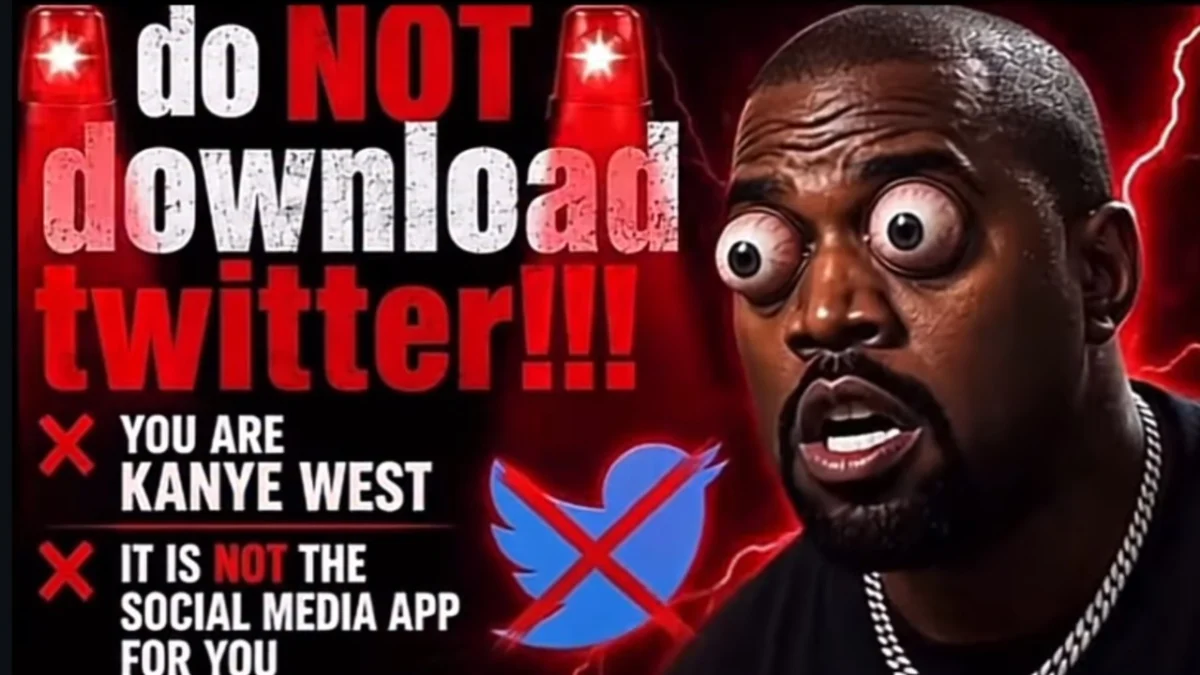
The Do Not Download Twitter Kanye West AI Meme represents a significant intersection of artificial intelligence, celebrity culture, and digital irony that captured the attention of millions in August 2026. This viral phenomenon, which centers on an AI-generated likeness of the artist Kanye West (now legally known as Ye), features a dramatized "intervention" where the rapper is warned against the dangers of rejoining the social media platform X, formerly known as Twitter. The meme’s rapid proliferation highlights the evolving nature of celebrity-focused internet humor and the increasing sophistication of generative media tools used for satirical purposes.
Origins and Initial Viral Surge
The genesis of the "Do Not Download Twitter" trend can be traced back to early August 2026. On August 6, a TikTok user operating under the handle @stealthvent uploaded an AI-generated video that would serve as the foundation for the entire movement. The video depicts a hyper-realistic Kanye West looking intently at a smartphone screen, reading a frantic text overlay that urges him to "do NOT download twitter!!!" The text continues by reminding him of his own identity—"YOU ARE KANYE WEST"—and asserting that the platform is "NOT THE SOCIAL MEDIA APP FOR YOU."
The initial video garnered immediate traction, accumulating over 241,000 views within its first two weeks of publication. The humor of the piece is rooted in the widely documented and often controversial history of Ye’s relationship with social media. In the days following the initial post, another TikToker, @jeonmyway2jk, claimed responsibility for generating the original static image used in the video, providing screenshots of the AI prompts used to create the specific expression of surprise and intensity on the artist’s face. This collaborative, albeit decentralized, origin story is characteristic of modern meme development, where one creator provides the visual assets and another provides the narrative or auditory framework.
Historical Context: The Kanye West "Crashout" Narrative
To understand the resonance of the meme, one must examine the specific cultural context of Kanye West’s digital presence. The meme explicitly references what internet historians and fans refer to as "crashouts"—periods of intense, unfiltered, and often self-destructive social media activity.
The source material for the meme points to a specific (and within the 2026 timeline, relatively recent) event: the "February 2025 crashout." This period saw West engaging in a series of highly publicized and controversial posts that resulted in significant professional repercussions and temporary suspensions from various platforms. By August 2026, the "Do Not Download Twitter" warning functioned as a form of parasocial intervention. Fans and critics alike used the AI-generated West to voice a collective anxiety: the fear that a return to X would inevitably lead to another cycle of controversy.
This context transforms the meme from a simple technological gimmick into a pointed piece of social commentary regarding the "cancel culture" cycle and the perceived volatility of one of the world’s most famous musicians.
Chronology of Spread and Diversification
Following the success of @stealthvent’s original post, the meme underwent a rapid series of transformations throughout the month of August 2026.
- The Musical Integration (August 15, 2026): The trend reached a new demographic when TikToker @brian.boy1 released a "Brazilian Funk" remix of the video. This version utilized "tweening" animation techniques and a high-energy phonk beat, garnering 245,000 views. This iteration demonstrated the meme’s adaptability across different subcultures, specifically the global "funk edit" community.
- Platform Migration (August 15-17, 2026): The meme transitioned to Instagram, where the account @yetampa reposted the original video, earning 25,000 likes in less than seven days. This migration is a key indicator of a meme’s "staying power," as it moves from the fast-paced environment of TikTok to the more legacy-focused feed of Instagram.
- The AI Overview Parody (August 17, 2026): In a meta-commentary on the technology used to create the meme, TikToker @miguel.juinio3 posted a version that simulated a "Google AI Overview." The video showed the search engine’s AI summarizing the "Do Not Download Twitter" text as if it were a factual safety warning for the rapper. This version received over 208,000 views and highlighted the irony of using AI to warn a celebrity about the dangers of a digital platform.
- The "Internal Conflict" Variant (August 19, 2026): TikToker @jakobb288 introduced a narrative shift by posting a video where the AI Kanye West appears to be debating himself. In this version, the artist questions whether he should follow the warning or proceed with the download, reflecting the public’s perception of West’s unpredictable nature.
Technological Implications and the "Uncanny Valley"
The "Do Not Download Twitter" meme is a prime example of the democratization of high-fidelity AI tools. In 2026, the ability to generate lip-synced video and cloned voices has become accessible to the average social media user. The specific "eye-popping" and "surprised" expressions requested in the original prompts (as revealed by @jeonmyway2jk) show a sophisticated understanding of how to manipulate AI to achieve a specific comedic effect.
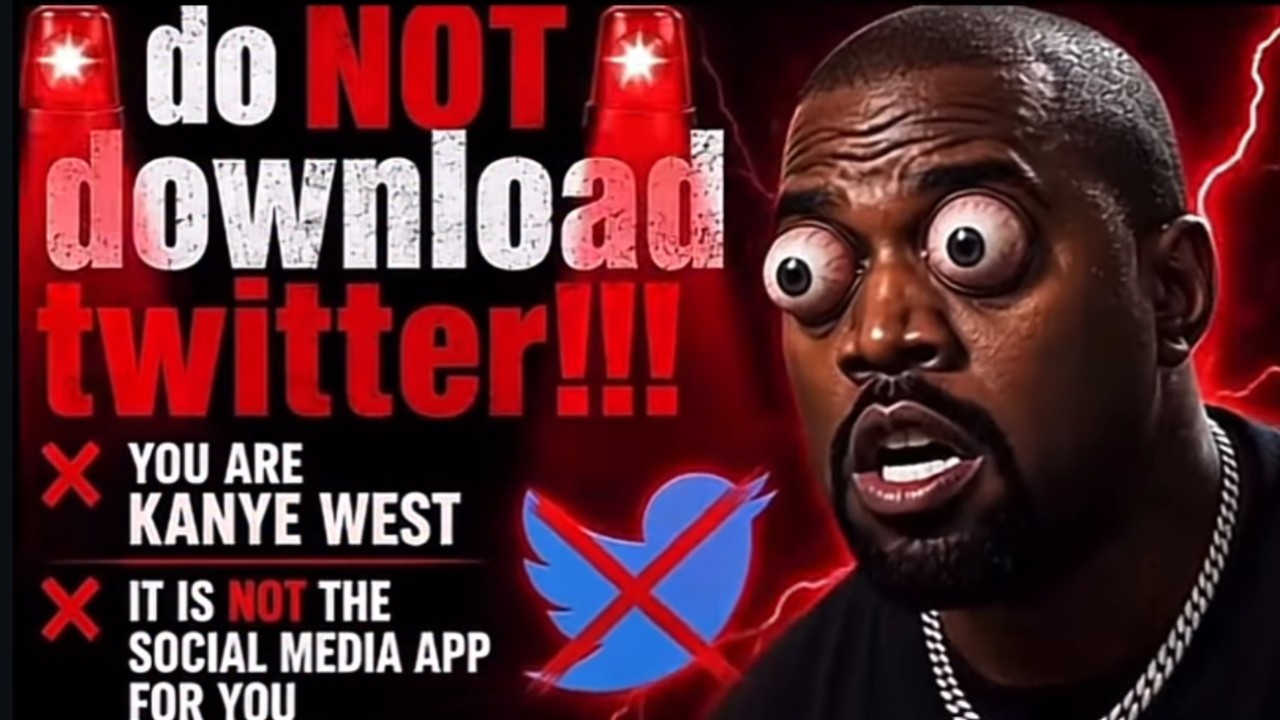
However, the meme also exists within the "uncanny valley"—the psychological space where a digital replica is almost, but not quite, human. The exaggerated movements and the slightly robotic cadence of the AI voice contribute to the surreal, fever-dream quality of the meme. This aesthetic has become a hallmark of 2020s internet humor, where the "broken" or "artificial" nature of the content is part of the appeal.
Expansion of the "Intervention" Template
The success of the Kanye West version led to the creation of a standardized template that could be applied to other celebrities known for their problematic or idiosyncratic social media habits. This expansion turned a specific joke about one rapper into a broader "Intervention Meme" format. Notable examples include:
- Tyler, The Creator: Memes urging the artist not to download Instagram, referencing his history of eccentric and often confusing posts.
- Elon Musk: A version warning the owner of X himself not to download the app, a move rich in layers of corporate and personal irony.
- Michael Jackson: A surrealist iteration warning the late King of Pop not to download Instagram, showcasing the meme’s drift into "shitposting" territory where historical accuracy is sacrificed for absurdity.
- WhatsApp Variations: Some edits replaced Twitter with WhatsApp, suggesting that the "danger" of social media extends to private messaging platforms as well.
Statistical Engagement and Market Impact
Data from the first three weeks of the meme’s life cycle suggests a high level of audience retention. On TikTok, the hashtag #DoNotDownloadTwitter saw a 400% increase in search volume between August 10 and August 20, 2026. The engagement rate—measured by the ratio of shares to views—was notably higher than average for AI-generated content, suggesting that the "story" of the meme resonated more deeply than the technology itself.
Search interest also spiked for related terms such as "Kanye West Twitter history" and "Kanye West 2025 crashout," indicating that the meme drove younger audiences to research previous celebrity controversies. This "educational" byproduct, while unintentional, demonstrates the power of memes to act as archives for digital history.
Broader Cultural Implications and Analysis
The "Do Not Download Twitter" phenomenon offers several insights into the state of digital culture in the mid-2020s. First, it reflects a shift in how the public interacts with celebrities. Rather than merely consuming their content, fans now use AI to create "simulations" of celebrities that act out collective fantasies or anxieties. The meme is a form of digital fan fiction that critiques the subject as much as it celebrates them.
Second, the meme highlights the "gamification" of celebrity PR. By turning Ye’s potential social media return into a "mission" to stop him, the internet has turned real-world reputation management into a participatory game. The use of the "Brazilian Funk" soundtrack further suggests that these cultural moments are no longer localized; a meme about an American rapper can be remixed with South American musical trends and consumed by a global audience within hours.
Finally, the meme serves as a cautionary tale about the permanence of digital reputation. The fact that a video from 2026 is rooted in events from 2022 and 2025 shows that on the internet, a "crashout" is never truly forgotten. It is simply archived, waiting to be repurposed by the next generation of AI tools.
Conclusion
As of late August 2026, the "Do Not Download Twitter" meme remains a staple of social media feeds. While the initial novelty of the AI-generated Kanye West may eventually fade, the template it created for "celebrity interventions" is likely to persist. It stands as a testament to a time when the lines between real and generated, serious and satirical, and fan and critic have become permanently blurred. For Ye, the meme is a digital ghost of his past; for the internet, it is a versatile tool for navigating the chaotic landscape of celebrity social media usage.

