
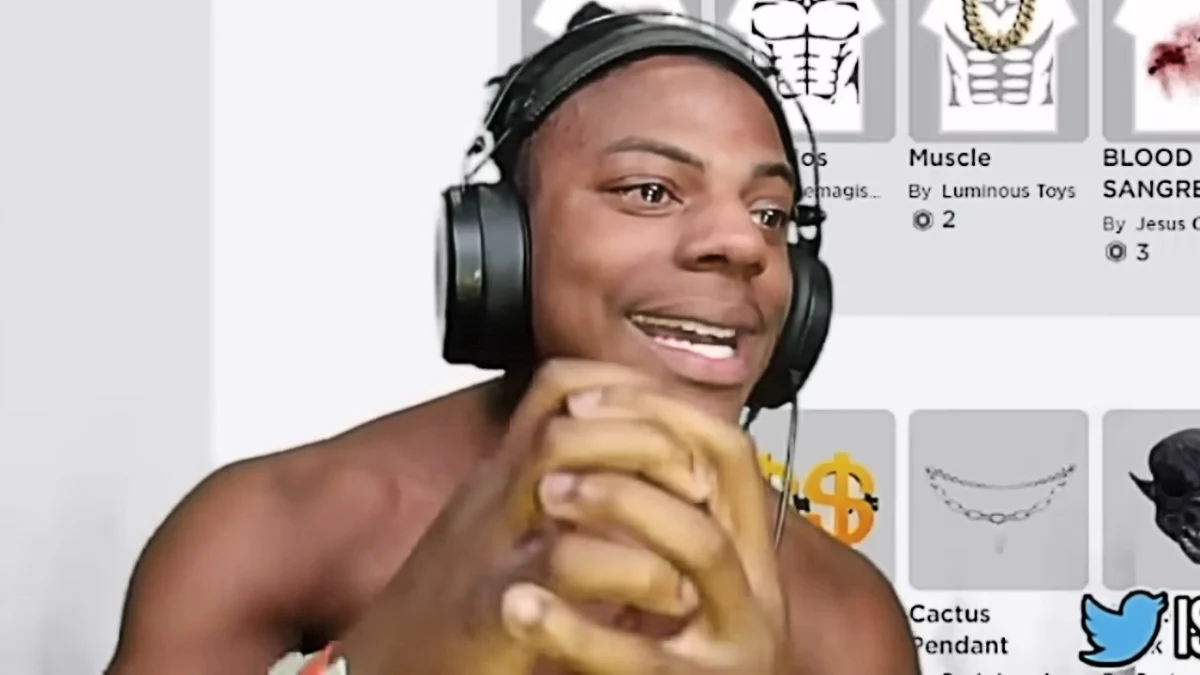
The digital landscape of 2026 has been significantly shaped by the resurgence of a specific audiovisual trend known as the Say Wallahi Bro meme, a phenomenon that highlights the unpredictable nature of internet virality and the intersection of gaming culture, linguistic crossover, and corporate branding. Originally rooted in a high-stakes moment of accidental extravagance by the prominent live-streamer IShowSpeed, the meme has evolved from a singular instance of streamer distress into a complex cultural shorthand used across social media platforms, most notably TikTok. This evolution underscores a broader trend in which historical digital content is repurposed through modern editing techniques and paired with distinct visual aesthetics to create entirely new forms of comedic expression.
The Genesis of a Viral Moment: The 18 Million Robux Transaction
The origin of the "Say Wallahi Bro" phrase dates back to May 10, 2023, during a live broadcast by Darren Watkins Jr., professionally known as IShowSpeed. Watkins, a creator characterized by his high-energy and often volatile reactions, was engaging with the popular online gaming platform Roblox. During the stream, Watkins navigated to the platform’s marketplace, where he encountered a user-generated T-shirt featuring the "Shrek Oop Face"—a distorted image of the animated character Shrek.
The item was listed for 18 million Robux, the proprietary digital currency used within the Roblox ecosystem. At the time of the transaction, the exchange rate for Robux placed the value of this purchase at approximately $225,000 USD. After a period of performative hesitation and interaction with his live audience, Watkins clicked the purchase button. The immediate aftermath of the transaction saw the streamer transition from bravado to genuine or highly convincing distress.
As the realization of the financial loss set in, Watkins began to weep, repeatedly uttering the phrases, "Say you swear to God," and "Say wallahi bro." The latter term, "Wallahi," is an Arabic expression meaning "I swear by Allah," which has become a staple of multicultural urban slang in cities like London, Toronto, and New York. The raw emotionality of the clip, combined with the absurdity of spending a quarter of a million dollars on a digital T-shirt, provided the perfect foundation for a lasting internet artifact.
Chronology of the 2026 Resurgence
While the original video garnered significant attention in 2023, accumulating over 1.1 million views on YouTube through various archival channels, its transformation into a ubiquitous meme format did not occur until early 2026. The resurgence began on TikTok, where users began to isolate the audio of Watkins’ voice.
In January 2026, creators began experimenting with the audio, applying pitch-shifting effects to create "high-pitched" or "distorted" versions of the "Say wallahi bro" exclamation. On January 28, 2026, a TikToker operating under the handle @giomemez posted one of the earliest documented iterations of this modified audio. This version stripped the context of the Roblox stream, leaving only the rhythmic, desperate plea of the streamer. Within two months, this single post had reached over 413,000 views, signaling a shift in the sound’s utility from a reaction clip to a versatile comedic tool.
By March 2026, the trend reached its zenith. The audio became inextricably linked with a specific visual aesthetic: the minimalist, yellow-and-black branding of the Canadian generic label, No Name.
The Intersection of Streamer Culture and Corporate Minimalism
The pairing of IShowSpeed’s distressed audio with No Name’s branding represents one of the more surreal developments in 2026’s digital trends. No Name, a line of generic grocery and household products owned by Loblaw Companies Limited, is famous for its stark, utilitarian packaging. The brand’s design philosophy involves a bright yellow background with black Helvetica text that describes the product in the most literal terms possible, such as "coffee for drinking" or "beans in sauce."
The meme format typically involves a slideshow of real or digitally altered No Name products, with the "Say wallahi bro" audio playing in the background. The humor is derived from the juxtaposition of the brand’s extreme, deadpan literalism and the high-pitched, frantic desperation in Watkins’ voice.
On March 9, 2026, TikTok user @ognoti5 posted an image of a No Name-branded shirt with the caption "t-shirt for wearing," synced to the audio. This post generated 2.9 million views in a single week. This was followed on March 10 by a post from @jamornt146, featuring a No Name-branded chair, which amassed 6.9 million views in six days. The trend continued to escalate with increasingly surreal imagery, including No Name-branded airplanes, entire "No Name Cities," and even domestic animals labeled "cat for petting."
Linguistic and Cultural Implications
The widespread adoption of "Wallahi" in this context reflects the continued "creolization" of internet slang. Originally a religious oath, "Wallahi" has transitioned into a secularized intensifier used by youth populations globally, regardless of their religious background. Its use by IShowSpeed—a creator with a massive international following—and its subsequent memetic explosion helped solidify the term’s place in the 2026 digital lexicon.
Sociolinguists note that the meme’s popularity in North America, particularly in the United States and Canada, highlights how TikTok’s algorithm facilitates the spread of regional dialects. The "No Name" brand is a Canadian icon, yet through the "Say Wallahi Bro" meme, it became a visual language understood by a global audience who may have never stepped foot in a Canadian grocery store.
Economic and Platform Data Analysis
The scale of the "Say Wallahi Bro" trend can be measured through engagement metrics that suggest a high level of saturation among Gen Z and Gen Alpha demographics. Between March 1 and March 15, 2026, videos utilizing the various iterations of the "Say wallahi" sound reached a combined view count exceeding 150 million across TikTok and Instagram Reels.
Data from social media analytics firms indicate that the meme experienced a "compound growth" pattern. The simplicity of the visual component—taking a photo of a mundane object and adding a yellow filter with black text—allowed for a low barrier to entry for creators. This led to a saturation of the "For You" pages on TikTok, where the algorithm prioritized the high completion rates associated with short, absurd slideshows.
Furthermore, the "Roblox Economy" aspect of the meme’s origin remains a point of fascination for financial analysts. The 18 million Robux transaction, while potentially a staged event for content, highlighted the massive liquidity within virtual worlds. As of 2026, the market for digital-only assets continues to grow, and the meme serves as a satirical reminder of the perceived "worthlessness" of expensive digital goods compared to the utilitarian nature of the "No Name" brand.
Potential Corporate and Public Reactions
While Loblaw Companies Limited has historically leaned into the "No Name" brand’s cult status with its own deadpan social media presence, the "Say Wallahi Bro" trend presented a unique challenge and opportunity. While the brand did not issue an official statement regarding the meme, marketing experts noted that the organic exposure was worth millions in equivalent advertising spend. The meme effectively reinforced the brand’s identity as the ultimate "anti-brand," even as it was being used in a chaotic, unintended context.
IShowSpeed himself has acknowledged the enduring nature of the clip in subsequent streams, often leaning into the "Say Wallahi" catchphrase to appease his audience. This feedback loop between the creator and the meme-makers has ensured the trend’s longevity throughout the first quarter of 2026.
Analysis of the Meme’s Longevity and Digital Legacy
The "Say Wallahi Bro" phenomenon is a case study in the "long-tail" of internet content. It demonstrates that a video from 2023 can lie dormant or maintain a modest presence before being catalyzed by a new audio trend or a visual pairing years later. The success of the meme lies in its multi-layered appeal: it combines the celebrity of a major streamer, the linguistic flair of multicultural slang, and the visual irony of corporate minimalism.
As the digital landscape continues to evolve, the "Say Wallahi Bro" meme will likely be remembered as a defining trend of the mid-2020s, illustrating the shift toward more abstract, audio-driven humor. It serves as a testament to the power of the audience to deconstruct original media and reconstruct it into something that reflects the sensibilities of a new moment in time. Whether viewed as a critique of digital consumerism or merely a piece of absurdist comedy, the meme has left an indelible mark on the cultural record of 2026.

