
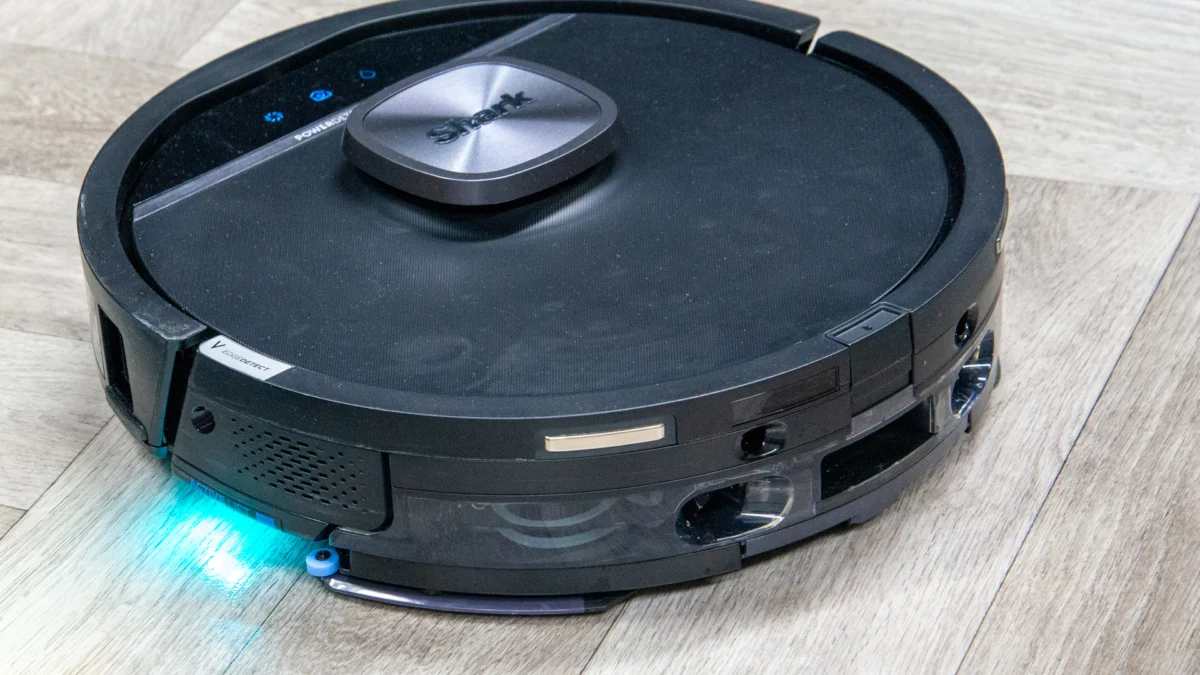
Robot vacuums have evolved from simple, haphazard cleaning devices into sophisticated automated home assistants, capable of mapping entire residences, intelligently navigating complex environments, and performing a suite of cleaning functions. At their core, these machines represent a convergence of advanced navigation, intricate sensor arrays, efficient cleaning hardware, and robust battery management systems, all packed into a compact, autonomous unit. For consumers seeking to demystify the technology that powers these increasingly popular devices, a comprehensive understanding of each component is essential. This in-depth exploration delves into the mechanics, evolution, and implications of robot vacuum technology, offering a clear picture of how these automated cleaners function and their growing role in modern households.
The Genesis and Evolution of Autonomous Cleaning
The concept of an automated vacuum cleaner dates back decades, with early iterations demonstrating a rudimentary approach to floor cleaning. These pioneering models relied on simple, rule-based navigation. Their programming dictated basic behaviors: move forward until an obstacle is encountered, then change direction; follow walls; or execute a spiral pattern. While these strategies could cover significant portions of a room, they often resulted in inefficient cleaning cycles, with some areas being repeatedly cleaned while others were entirely missed. The lack of sophisticated mapping meant a truly systematic approach was unattainable.
The paradigm shift occurred with the advent of modern, mapped robot vacuums. These devices employ advanced computational algorithms and sensor fusion to create detailed digital representations of a home’s layout. This mapping capability allows them to plan and execute highly systematic cleaning routes, ensuring comprehensive coverage and optimizing cleaning time. This evolution from random bumping to intelligent route planning marks a significant leap in home automation technology.
Decoding Robot Vacuum Navigation Systems
The intelligence of a robot vacuum is largely dictated by its navigation system, which varies significantly across different models and price points. Three primary approaches dominate the landscape: LiDAR, camera-based navigation (often referred to as vSLAM), and simpler infrared or bump-sensor systems.
LiDAR (Light Detection and Ranging): This technology utilizes laser light to precisely measure distances to surrounding objects. A LiDAR sensor, typically housed in a turret on top of the robot, rotates to scan the environment. By analyzing the time it takes for laser pulses to return, the robot can construct a highly accurate 3D map of its surroundings, identifying walls, furniture, and other structural elements. A key advantage of LiDAR is its independence from ambient light conditions. This means a LiDAR-equipped robot can effectively map and navigate in complete darkness, ensuring consistent cleaning performance regardless of the time of day or lighting.
Camera-Based Navigation (vSLAM): In contrast to LiDAR, camera-based systems rely on visual information. A sophisticated camera, often positioned on the front of the robot, captures images of the environment. Using Visual Simultaneous Localization and Mapping (vSLAM) algorithms, the robot analyzes these images to identify distinctive features like corners, furniture edges, and patterns on the floor. These features serve as visual landmarks, allowing the robot to track its position and build a map of the environment. While effective in well-lit conditions, camera-based systems can be challenged by low light or environments with uniform visual textures where distinct landmarks are scarce.

Infrared and Bump Sensors: Less sophisticated robot vacuums often rely on a combination of infrared (IR) sensors and physical bumper systems. IR sensors can detect the presence of nearby objects by emitting and receiving infrared light beams, allowing the robot to slow down or change direction before a collision. Physical bumpers, integrated into the robot’s chassis, register contact with obstacles. When a bump is detected, the robot reverses and alters its course. While these systems provide basic obstacle avoidance, they are less precise than LiDAR or vSLAM and contribute to the more random movement patterns observed in older models.
Wheel Sensors: Complementing these primary navigation systems are wheel encoders. By meticulously measuring the rotation of the robot’s wheels, these sensors provide an estimate of the distance traveled. This odometry data, when combined with information from other sensors, helps the robot triangulate its position within its mapped environment, contributing to its overall localization accuracy.
The Power of SLAM: Simultaneous Localization and Mapping
The term SLAM, standing for Simultaneous Localization and Mapping, is central to the intelligence of modern robot vacuums. It describes the fundamental computational challenge that these machines overcome: building a map of an unknown environment while simultaneously determining their own position within that map.
The process begins as the robot enters a new space. Its sensors gather data about the immediate surroundings. This raw data is then processed to identify features and build an initial, albeit incomplete, map. As the robot moves, it continuously updates this map with new information and refines its understanding of its location. This dynamic, iterative process allows the robot to build a comprehensive and accurate representation of the entire cleaning area over time.
The benefits of SLAM are profound. It enables the robot to move systematically, covering each section of the floor only once. This leads to significantly improved cleaning efficiency and reduced cleaning times. Furthermore, SLAM is the technological foundation for advanced features like room-by-room cleaning, where users can designate specific areas for the robot to clean, and the creation of "no-go zones" or virtual walls, preventing the robot from entering restricted areas. This level of control and precision was unimaginable with earlier, non-mapping robot vacuums. SLAM is not unique to robot vacuums; it is a foundational technology in autonomous robotics, employed in everything from self-driving cars to industrial robots.
The Mechanics of Cleaning: From Brushes to Suction
While navigation dictates where a robot vacuum goes, its cleaning hardware determines what it picks up. The undercarriage of most models features a carefully orchestrated system of brushes, a main brush bar, powerful suction, and a dustbin.
Side Brushes: These typically spin at high speeds and are designed to sweep debris from the edges of rooms and corners into the main cleaning path. Some advanced robots can even extend one of their side brushes outwards to achieve closer contact with baseboards and walls, ensuring more thorough edge cleaning.

Main Brush Bar: The heart of the vacuuming mechanism, the main brush bar agitates dirt and debris from the floor surface. The design of this brush varies. Some feature stiff bristles, ideal for dislodging embedded dirt from carpets. Others employ rubber fins or specialized patterns intended to efficiently collect various types of debris, including hair. A significant design consideration for many manufacturers is the issue of hair tangling. Homes with pets or individuals with long hair often face the problem of hair wrapping around the brush bar, reducing its effectiveness and requiring frequent manual cleaning. While "anti-tangle" designs aim to mitigate this, they do not entirely eliminate the need for maintenance.
Suction and Dustbin: The vacuum motor generates airflow, creating suction that pulls the agitated debris into the robot’s dustbin. The capacity of these dustbins is a notable limitation. A typical robot vacuum dustbin holds around 0.6 liters of debris, a stark contrast to the 6-liter capacity of a traditional upright vacuum like the classic Henry Hoover. This small capacity means frequent emptying is often required, a challenge addressed by the growing popularity of self-emptying docking stations.
Navigating Hazards: Avoiding Stairs, Obstacles, and Unforeseen Messes
The ability of a robot vacuum to safely navigate a home without damaging itself or its surroundings, or worse, creating a mess, relies on a sophisticated array of sensors. No single sensor can reliably interpret all the complexities of a floor-level environment, necessitating a multi-sensor approach.
Cliff Sensors: Crucial for preventing falls down stairs, cliff sensors utilize infrared light. These sensors are positioned on the underside of the robot and direct an IR beam downwards. By measuring the intensity of the reflected light, the robot can detect a sudden absence of a surface, indicating a drop-off. Upon detection, the robot halts its forward motion and maneuvers away from the edge, safeguarding itself from accidental tumbles.
Advanced Obstacle Detection: For general obstacle avoidance, less advanced robots rely on IR sensors and physical bumpers. However, modern robots have significantly enhanced their obstacle detection capabilities. Cameras coupled with machine vision algorithms allow the robot to not only detect objects but also to identify them. This became a critical development after early robot vacuums gained notoriety for inadvertently spreading pet waste across floors. Manufacturers like Samsung and iRobot have integrated AI-powered object recognition systems designed to identify common household items such as socks, charging cables, toys, and, most importantly, pet excrement. When such items are detected, the robot can either avoid them or, in some cases, attempt to clean around them.
Despite these advancements, robot vacuums are not infallible. Loose cables, small toys, or low-lying objects can still pose challenges, especially if they are difficult for the robot’s sensors to distinguish from the surrounding floor surface. The effectiveness of object recognition is also dependent on the quality and training of the AI models used.
Versatility in Cleaning: Carpets, Hard Floors, and the Rise of Mopping
Robot vacuums are designed to tackle a variety of floor types, from plush carpets to hard surfaces like tile, hardwood, and laminate. The effectiveness on carpets hinges on the combination of brush agitation and suction power. For hard floors, the focus shifts to efficiently capturing fine dust and debris.

The integration of mopping functionality has become a significant trend. These hybrid devices typically feature a water tank, a controlled water delivery system (pump or gravity feed), and one or more mopping pads or rollers located beneath the robot.
Mopping Mechanisms:
- Passive Dampening: The simplest systems involve a mop pad that is dampened with water and dragged across the floor.
- Active Scrubbing: More advanced models incorporate rotating mop pads or rollers that actively scrub the floor, providing greater cleaning power for tougher stains.
- Carpet Detection: Sophisticated robots can utilize sensors or their mapping data to identify carpeted areas. Upon detection, they can automatically lift their mop pads to prevent wetting the carpet, or even retract them entirely.
- Advanced Docks: High-end docking stations can offer automated mop pad washing and drying capabilities, significantly reducing user maintenance. Some can even refill the robot’s water tank.
- Stain Targeting: Some robots leverage their cameras or additional sensors, such as UV lights, to identify and specifically target stained areas with focused mopping action.
Intelligent Charging and Docking: The Robot’s Home Base
The operational longevity of a robot vacuum is governed by its rechargeable battery. These devices continuously monitor their power levels. When the battery charge drops below a pre-programmed threshold, the robot automatically ceases its cleaning cycle and initiates a return to its charging dock. Its internal map and navigation sensors are crucial for locating and successfully docking with the charging station.
Recharge-and-Resume Functionality: A key feature of many modern robots is the "recharge-and-resume" capability. Once docked and sufficiently recharged, the robot can return to the exact spot where it left off and continue its cleaning mission. This eliminates the need to restart the entire cleaning cycle, optimizing efficiency and ensuring complete coverage. The charging dock, therefore, transcends its basic function as a power source; for many robots, it serves as their designated home base.
Self-Emptying Docks: The proliferation of self-emptying docks has revolutionized user convenience. Upon returning to the dock, the robot connects to a vacuum port, and the dock powerfully extracts the accumulated debris from the robot’s small dustbin into a much larger, disposable bag or container stored within the dock itself. This significantly extends the time between manual emptying, often allowing for weeks of operation without user intervention. Multifunction docks can also handle tasks like washing and drying mop pads and replenishing the robot’s water reservoir.
Addressing Multi-Level Homes: The Staircase Conundrum
A significant limitation of most robot vacuums is their inability to ascend or descend staircases. This inherent design constraint means that owners of multi-level homes typically face two primary options: manually carrying the robot between floors or investing in separate robot vacuum units for each level.
Multi-Floor Mapping: Some advanced mapping robots can store multiple floor plans. This allows users to move the robot to a different floor without needing to re-map the entire house from scratch. However, the charging dock remains a logistical challenge. If only one dock is available, the robot must be returned to that floor for charging and emptying, potentially negating some of the automation benefits.

Dedicated Robots per Floor: For larger multi-story residences, deploying a dedicated robot vacuum on each floor often proves to be the most convenient and efficient solution. This eliminates the need for frequent manual relocation and ensures that each level is consistently maintained without interruption.
Understanding the Limitations: Beyond Complete Automation
Despite their impressive capabilities, it is crucial to manage expectations regarding robot vacuums. They are designed to automate routine floor cleaning, not to entirely eliminate the need for manual cleaning or replace traditional vacuum cleaners for every task.
Dustbin Capacity and Maintenance: As previously noted, the small dustbin capacity can be a bottleneck, particularly in homes with significant pet hair or shedding. Hair tangling around brushes, though reduced by design, still necessitates periodic manual cleaning.
Cable and Small Object Hazards: While object detection has improved, loose cables, small toys, and other low-lying objects can still pose a risk, potentially leading to tangles or the robot becoming stuck.
Mopping Demands: Even with self-cleaning docks, mopping functionality requires ongoing maintenance. Mop pads and water tanks need regular cleaning and refilling, and the self-cleaning mechanisms themselves may require occasional attention.
Deep Cleaning vs. Routine Maintenance: The primary value proposition of a robot vacuum lies in its ability to perform regular, automated floor maintenance. They are not typically designed for the intensive deep cleaning that a powerful upright or canister vacuum can provide for heavily soiled areas or specific tasks.
In essence, a robot vacuum operates by integrating a sophisticated suite of sensors, intelligent navigation software, and effective cleaning hardware. Basic models offer reactive obstacle avoidance and rule-based movement, while advanced machines leverage technologies like LiDAR or cameras with SLAM to meticulously map their surroundings and devise systematic cleaning strategies. Beneath the surface, brushes and suction work in tandem to collect debris into a compact dustbin. Cliff sensors prevent falls, and increasingly intelligent object detection systems help the robot navigate around hazards. When power reserves dwindle, the robot autonomously returns to its dock for recharging, and with advanced models, can even resume cleaning and empty its own bin. The ultimate outcome is not a complete, hands-off replacement for all cleaning duties, but rather a powerful tool for making regular floor maintenance significantly more automatic and less labor-intensive, with the level of automation directly correlating to the sophistication of its navigation, cleaning, and docking technologies.

